
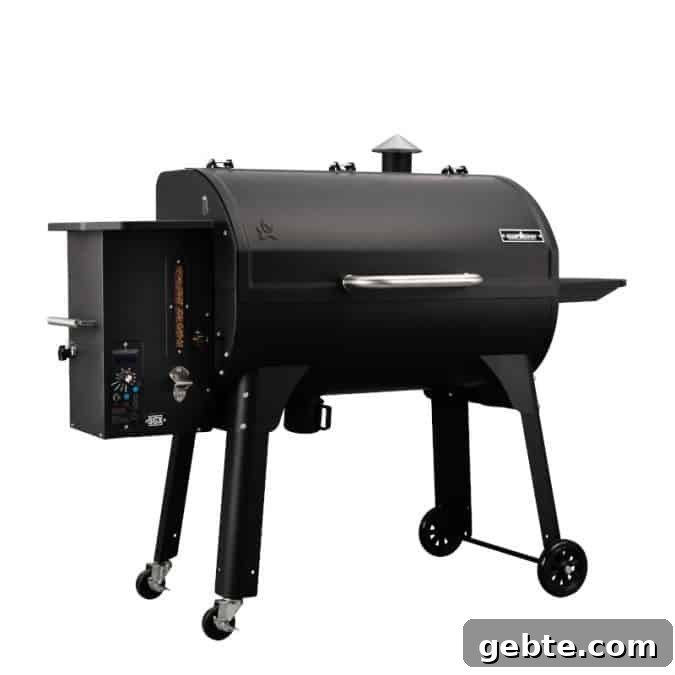
Looking for a new grill and thinking about switching to a pellet smoker? That’s a smart move. Pellet smokers are user-friendly and consistently deliver excellent smoked meats and flavorful side dishes.
Below is a detailed guide to some of the best pellet smokers available today and how to choose the right one for your backyard.
Top 5 Pellet Smokers
Based on features, construction, and hands-on testing, these are five standout pellet smokers to consider. They are best suited for a family of four or more or anyone who often cooks for guests. When in doubt, size up — people more often regret buying too small than too large.
- Camp Chef 36 with Side Kick
- Traeger Ironwood 885
- RecTec 700
- Pit Boss Navigator 1150
- Pit Boss Navigator Pellet / Gas Combo
- Traeger Tailgater (Bonus: Portable option)
Here’s a closer look at each of these wood pellet grills, their strengths, and trade-offs.
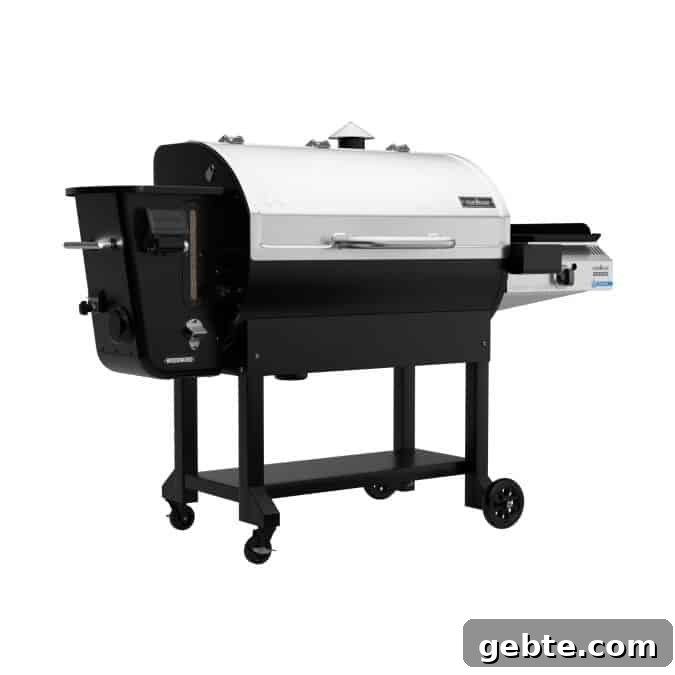
#1 – Camp Chef Woodwind 36 with Side Kick
The Camp Chef Woodwind 36 is our top pick for a versatile and roomy pellet smoker. With roughly 1,236 square inches of cooking surface across two racks, it handles large cooks easily and is ideal for families and entertaining. It offers both low-and-slow smoking and direct-flame grilling via an integrated SideKick propane burner.
What I like:
- Performs both low-and-slow smoking and direct flame grilling
- Adjustable smoke level settings
- PID controller with Wi‑Fi and a mobile app
- Convenient pellet hopper cleanout
- SideKick propane burner with accessory compatibility
What I don’t like:
- Hopper capacity is modest relative to grill size (around 22 lb)
- Direct flame searing area is limited
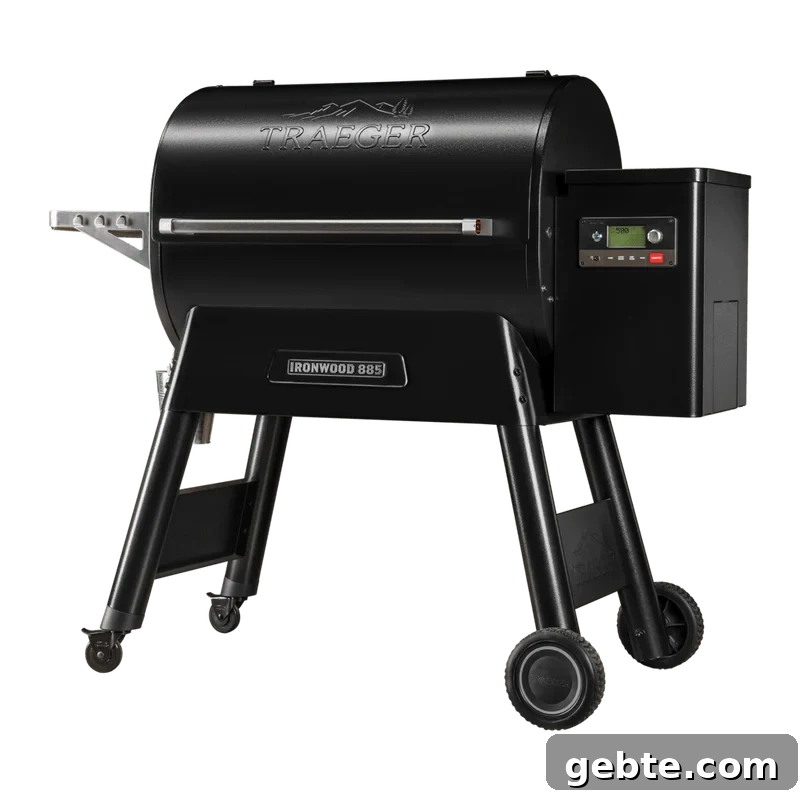
#2 – Traeger Ironwood 885
Traeger pioneered pellet grilling and remains a major player. The Ironwood 885 combines insulation, efficient heat-up, and features like a downdraft exhaust and a super smoke mode. Note that as Traeger has grown, user experiences with customer support and warranty service have been mixed.
What I like:
- Double side-wall insulation improves temperature stability
- Hopper cleanout for easier pellet changes
- Faster heat-up than many competitors
- Downdraft exhaust and strong smoke mode for flavor
What I don’t like:
- Smaller 20 lb hopper
- Customer service and warranty experiences vary
- Build quality not as robust as some higher-end models
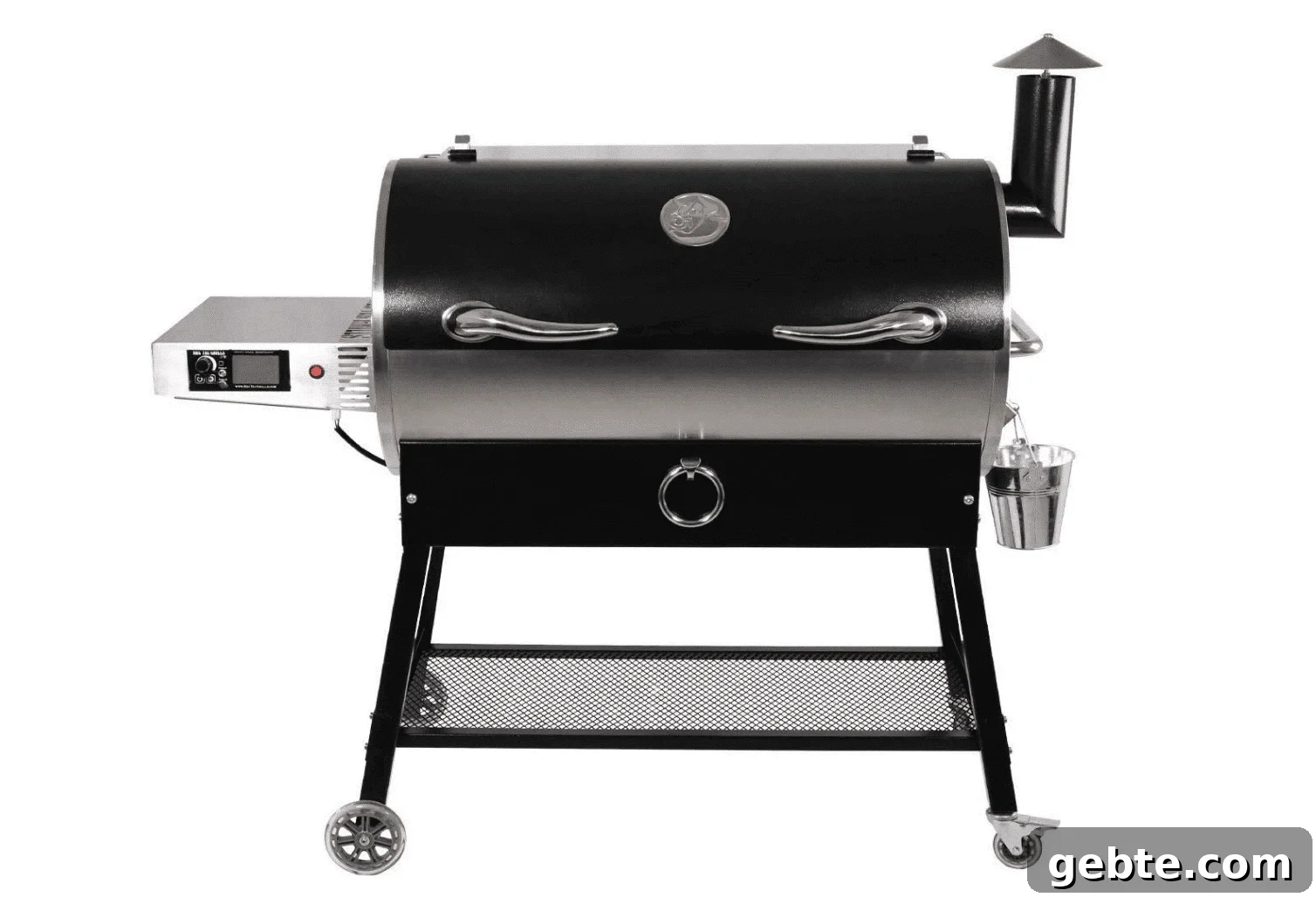
#3 – RecTec 700
RecTec produces well-built, stainless-steel smokers backed by industry-leading customer service and a long warranty. The RT-700 offers a large hopper and a controller that holds temperature with minimal variation.
What I like:
- Stainless steel construction
- Large 40 lb pellet hopper
- Accurate controller for tight temperature control
- Grilling app and strong customer service
What I don’t like:
- No quick dump door for changing pellet flavors
- Doesn’t provide open-flame searing without add-ons like GrillGrates
- Grill cover can be awkward to remove and replace
#4 – Pit Boss Navigator 1150
Pit Boss is known for value. The Navigator 1150 provides a large capacity for a lower price, though it sacrifices some premium features like Wi‑Fi and a PID controller. If you want a capable smoker without a premium price tag, this is a strong contender.
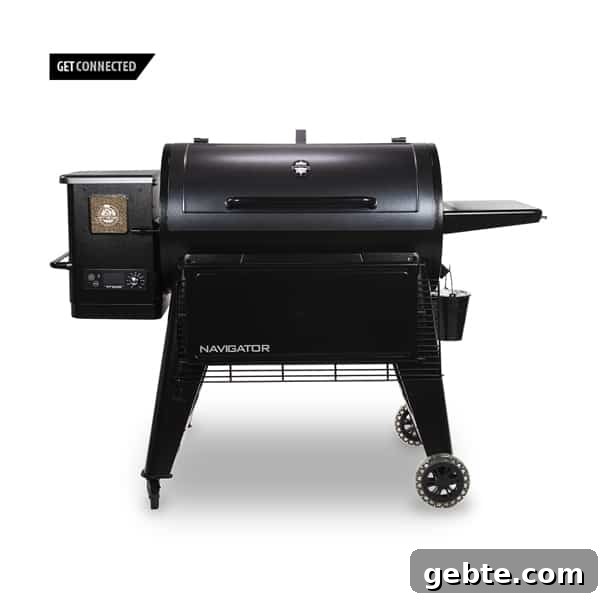
What I like:
- Affordable price with a 5-year warranty
- Large 32 lb hopper
- Lever for open-flame searing
- Front and side shelving included
- Custom fitted cover included
What I don’t like:
- No built-in Wi‑Fi — requires aftermarket controller for remote monitoring
- No PID controller, so expect wider temperature swings (±~20°F)
- Cast iron grates instead of stainless steel
#5 – Pit Boss Navigator Pellet / Gas Combo
This combo unit pairs a pellet smoker with a gas grill in one cabinet, giving you versatility without needing two separate grills. It’s a solid option for families who want both smoke flavor and fast gas grilling in a single footprint.
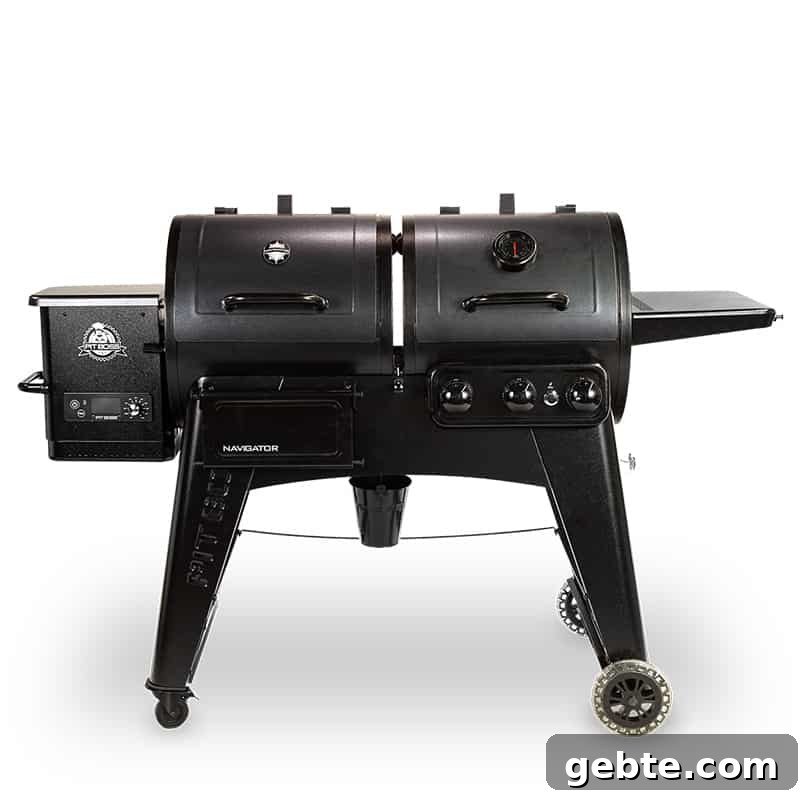
What I like:
- Cold-smoke capability with a smoke-to-gas damper
- Quick gas grilling for burgers and searing when needed
- Custom cover included
- Three gas burners; convertible to natural gas
- 5-year warranty
What I don’t like:
- No built-in Wi‑Fi
- No PID controller — expect larger temperature swings
- Smaller effective grilling area because of the dual-chamber layout
#6 – (Best Portable Smoker) – Traeger Tailgater
If you need portability for tailgating, camping, or RV life, a compact pellet grill makes sense. The Traeger Tailgater is lightweight and compact while still producing excellent smoked results. It’s an excellent choice when space and weight matter.
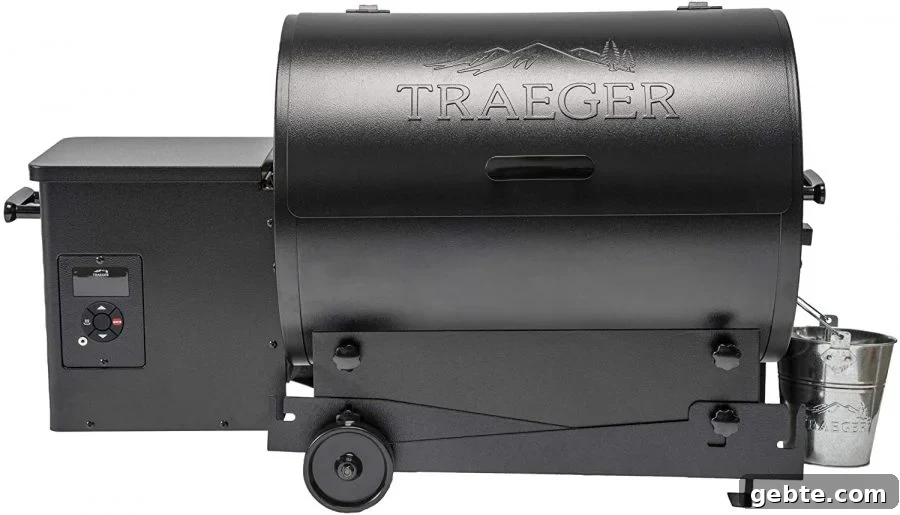
What I like:
- Lightweight at about 62 lb
- Stainless steel components
- Collapsible scissor legs for compact storage
- Approximately 300 square inches of cooking space
What I don’t Like:
- Max temp around 450°F, which limits high-heat searing
- No built-in Wi‑Fi
Do you need a pellet smoker?
Pellet smokers are ideal if you want consistent, hands-off smoking without managing a firebox. Set the temperature, add pellets, and the unit maintains heat for hours — perfect for long briskets, ribs, or slow-roasted poultry. Many pellet grills also reach grilling temperatures (up to ~500°F) so you can sear steaks and burgers as well.
Types of Pellet Smokers
There are three common styles of pellet smokers:
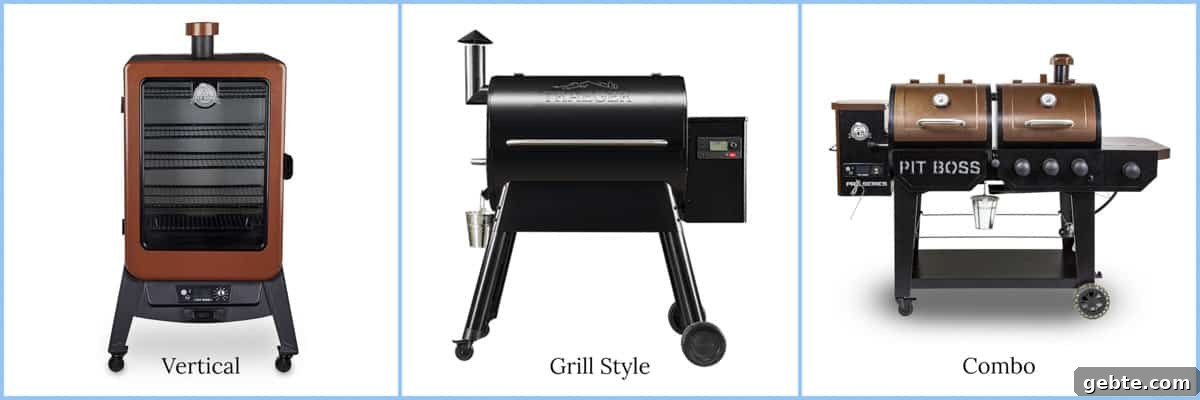
Vertical smoker
Vertical models resemble classic upright smokers with multiple racks and flexible shelf placement, making them great for ribs, jerky, and hanging sausages. Some include viewing windows so you can check food without opening the door.
Grill-style smoker
Grill-style smokers have a horizontal cooking chamber with a lid like a traditional grill. The firepot sits beneath heat deflectors to distribute heat evenly. Many grill-style units double well as high-heat grills and can offer open-flame searing with the right configuration or accessories.
Combo smokers
Combo units combine a pellet smoker and a gas grill in one cabinet. A pass-through or damper lets smoke flavor reach foods on the gas side, and the gas burners provide fast, high-heat searing when needed. These are practical for buyers who want both functions without multiple grills.
What should you look for in a pellet smoker?
Build material
Stainless steel is the most durable option and resists rust and warping. High-temperature powder coating is preferable to ordinary paint, which can crack or peel over time.
Size and capacity
Match the smoker size to how much you plan to cook. Below are general categories:
Small Grill — 300 – 500 sq in
- Suitable for 1–3 people
- Fits a few racks of ribs or one turkey
- Smaller hopper may need refilling on long cooks
Medium Grill — 500 – 700 sq in
- Good for 3–5 people
- Fits multiple racks of ribs or two turkeys
- Hopper usually supports extended cooks
Large Grill — 700 – 1,200 sq in
- Great for 5–9 people and entertaining
- Accommodates many racks or several whole birds
Huge Grill — 1,200 – 2,500+ sq in
- Designed for professional or large-scale cooking
- Very large hoppers for long, unattended cooks
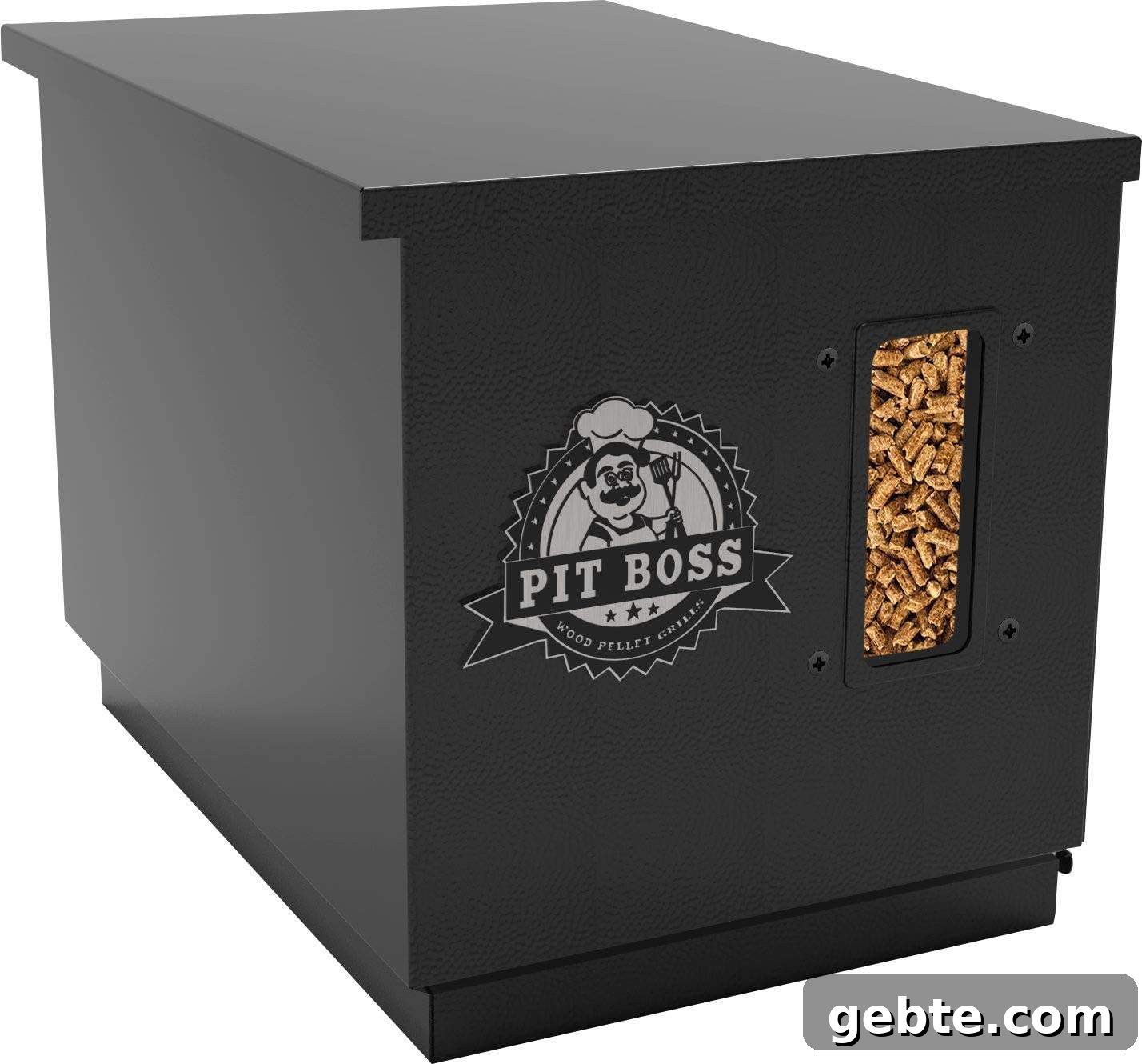
Pellet hopper
Hopper size ranges from about 10 lb to 60 lb. For long overnight cooks, a larger hopper is convenient. Also consider how easy it is to change pellets: some hoppers include a dump door, while others require scooping or vacuuming out pellets.
Temperature controller
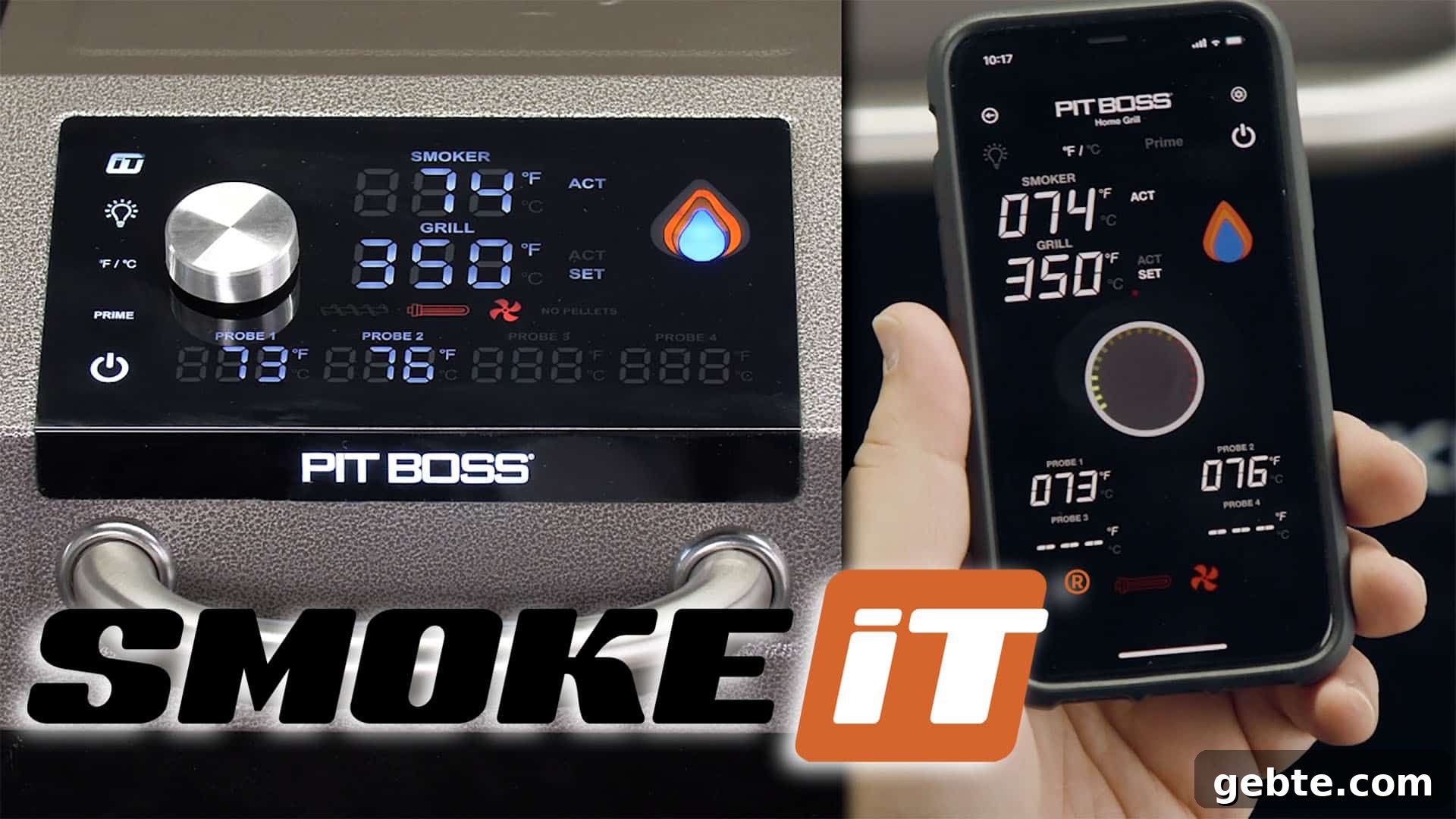
The controller regulates the pellet auger and fan to maintain temperature. Expect most pellet grills to operate between roughly 180°F on low and about 500°F at the high end. There are two main types of controllers:
Time-based controllers
Older or entry-level units use time-based controllers that run the auger and fan on preset cycles and do not constantly monitor internal temperature. These can lead to wider temperature swings, especially in changing ambient conditions.
PID controller
Higher-end units use PID controllers that continuously monitor temperature and adjust pellet feed precisely, often keeping internal temps within a few degrees of the set point.
Wi‑Fi
Many modern smokers include Wi‑Fi and mobile apps for remote monitoring and alerts. These features are convenient for long cooks and monitoring probe temperatures from your phone.
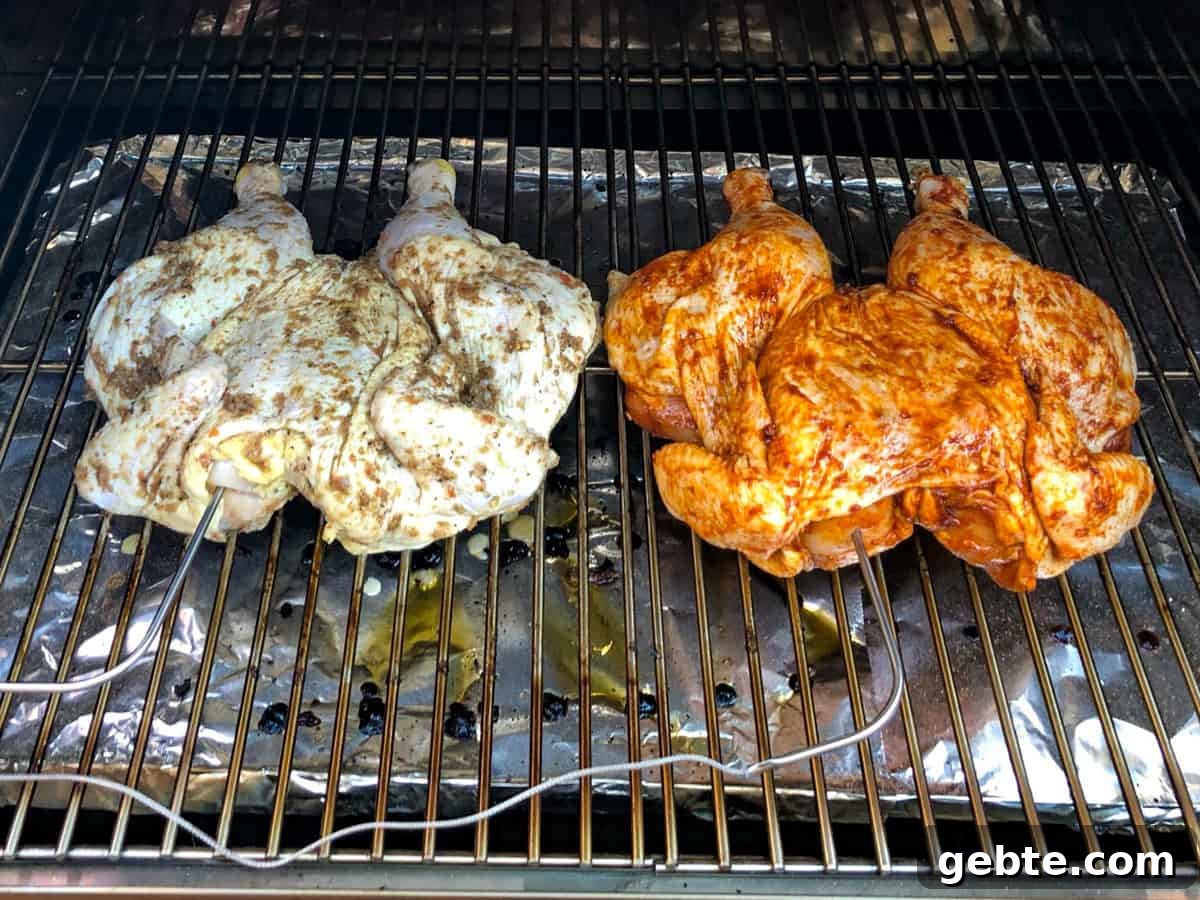
Thermometers (built-in)
Built-in meat probes that display on the smoker and app are very helpful for precise cooking. Many top models include two probe inputs and corresponding readouts.
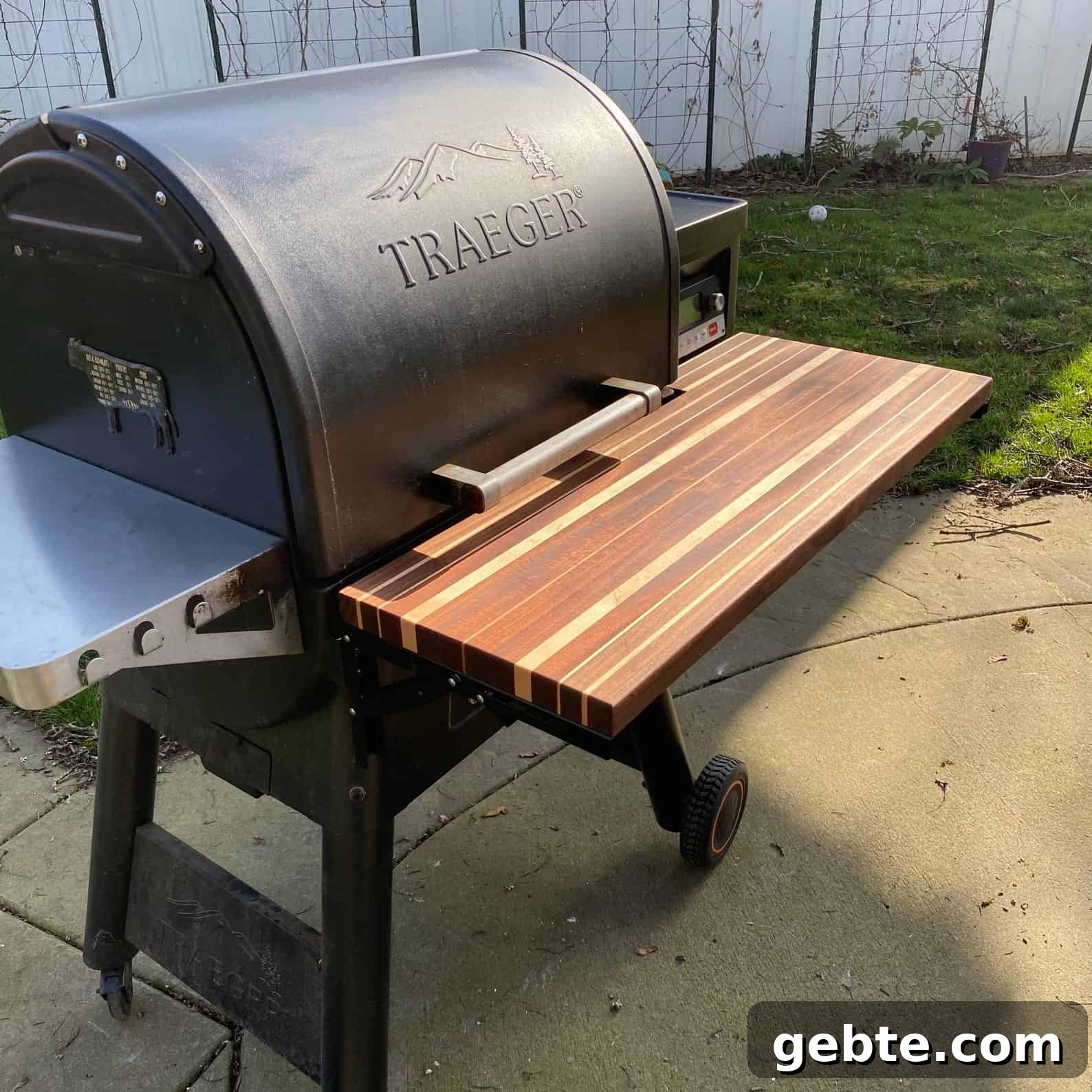
Shelves
External shelves are handy for prep and tools. Some smokers include side and front shelves; others sell them separately. Consider this when comparing packages and prices.
Brands
There are many reputable brands. Traeger is the most widely known and sells the most units, but popularity doesn’t automatically mean the best fit for every buyer. Match features, build quality, warranty, and customer support to your needs.
Warranty
A multi-year warranty provides peace of mind. Typical warranty ranges for popular brands on flagship models include:
- Traeger — about 3 years
- RecTec — about 6 years
- Pit Boss — about 5 years
- Camp Chef — about 3 years
- Z Grills — about 3 years
- Weber — about 3 years (plus short-term satisfaction guarantees on some models)
Customer service
Good warranty terms are important, but responsive customer service matters more when you need help. Some brands stand out for support and ease of getting replacement parts or troubleshooting assistance.

RecTec
RecTec is widely praised for strong customer support and accessible technical help, which can make a real difference during long cooks or if issues arise late at night.
How much do pellet smokers cost?
Prices vary widely depending on size, materials, and features.

Higher end
- Grill-style high-end units commonly start around $1,000 and increase from there for stainless-steel builds and advanced controllers.
- Vertical high-end models typically start around $500 and up for durable construction and larger capacity.
Lower end
- Grill-style budget units usually range from $400–$800 and provide basic functionality without premium materials.
- Vertical budget units commonly range $200–$400.
Delivery & assembly
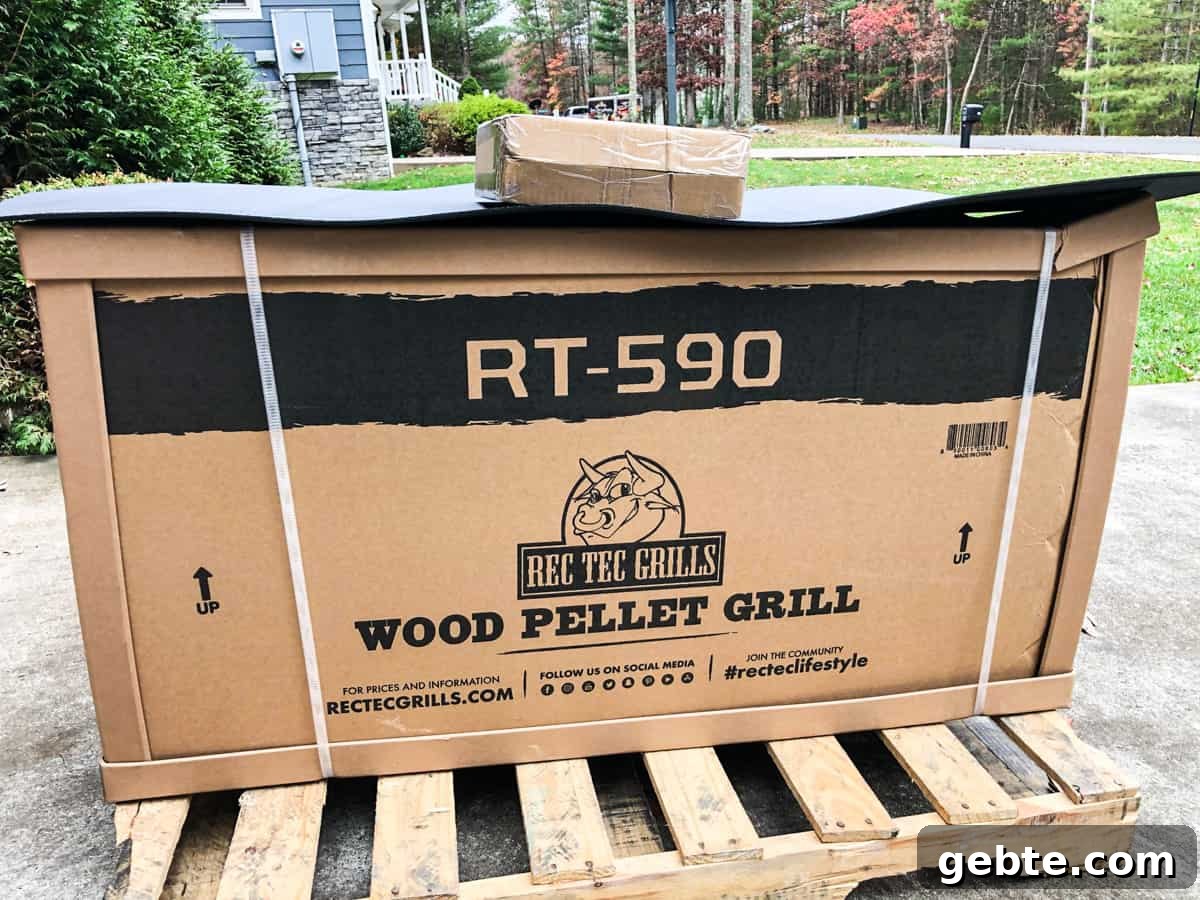
Most manufacturers ship pellet smokers on a pallet via freight carrier. The local delivery company typically contacts you to schedule a driveway delivery window. Assembly is generally straightforward and often takes 1–2 hours with basic tools; many companies provide online assembly videos and clear instructions.
Tips and tricks
- Use reverse sear techniques to maximize smoke flavor then finish hot for a crust.
- GrillGrates or similar accessories improve searing performance on pellet grills.
- Join owner groups for custom shelves, covers, and community advice.
- When filling a hopper, try to minimize pellet dust and sift it out when possible.
- A small shop vacuum is handy for ash and pellet dust cleanup every few cooks.
- If your smoker uses a drip pan, line it with wide aluminum foil for easier cleanup; change it before high-temp cooks to avoid flare-ups.
FAQ
Yes — if you want a convenient, reliable way to smoke meats without constant fire management.
Many brands manufacture components or complete units overseas; specifics vary by brand and model.
Yes — they require continuous electrical power for the auger, fan, and controller while operating.
They produce ample smoke for flavorful results; many models let you adjust smoke level for lighter or stronger smoke character.
Yes. Many owners leave them outdoors. Use a fitted cover and avoid leaving electrical connections where water can reach them.
Cooking on pellet smokers is comparable to other grilling methods. Grilling in general can be a healthy cooking method due to minimal added fats.
In Conclusion
A pellet smoker can elevate your outdoor cooking, making consistent, flavorful results easy and repeatable. When choosing a model, weigh whether a pellet smoker suits your style, the type of smoker you prefer, desired features, size, cost, warranty, and customer support. With the right choice, you’ll be enjoying great smoked food and sharing it with friends and family in no time.