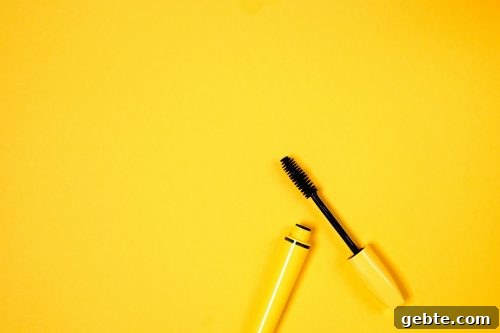
There are several excellent non-toxic, direct-to-consumer mascara brands you can order online, but sometimes you need something at the drugstore or grocery. Many conventional and widely available cosmetics still contain ingredients linked to health concerns, so when you’re standing in front of walls of Maybelline, Revlon, and CoverGirl, you might ask: are any of these mascaras safe?
The short answer is yes. Several drugstore and big-box retailers now carry mascaras formulated without the most harmful chemicals. Below we cover:
- the most toxic ingredients to avoid
- less-problematic ingredients commonly found in “natural” mascaras
- drugstore mascara brands we recommend
- drugstore mascaras that are acceptable in a pinch
- the best non-toxic mascaras available online
- recommended non-toxic makeup removers
Table of Contents
- Is Conventional Drugstore Mascara Toxic?
- How Can Mascara Irritate The Eyes?
- What Are Some Of The Harmful Ingredients To Avoid In Mascara?
- Parabens
- Thimerosal
- Formaldehyde
- Aluminum Powder
- Coal-Tar Dyes
- Butylated Hydroxytoluene (BHT)
- Sodium Laureth Sulfate (SLS)
- Talc
- Fragrance
- Less Toxic Ingredients in Mascara
- Phenoxyethanol
- Acacia Senegal Gum (Gum Arabic)
- Aminomethyl Propanol
- Propylene Glycol
- Are Natural Or Organic Drugstore Mascaras Any Good?
- 8 Non-Toxic, Natural Drugstore Mascara Brands
- “Less Toxic” Mascaras Available at Drugstores
- What Are the Best Natural, Non-Toxic Mascaras?
- Best Non-Toxic, Natural Makeup Remover
- Conclusion
This article may contain affiliate links, which means a small commission could be earned if you make a purchase.
Is Conventional Drugstore Mascara Toxic?
In short: many conventional mascaras contain ingredients that raise health concerns. While some drugstore formulas avoid the worst offenders, lots of mainstream products still include preservatives, solvents, or dyes associated with irritation, hormone disruption, or other risks. It can be hard to know which products are safer without checking ingredients, so we’ve summarized the most important ones to watch for below.
How Can Mascara Irritate The Eyes?
Because mascara is applied so close to the eye, tiny amounts can get into the tear film and conjunctiva. Some ingredients can irritate the eye or cause allergic reactions. Others are more broadly irritating or harmful. Common culprits include:
- Parabens
- Gluten (sometimes present in unexpected cosmetics)
- Preservatives (natural and synthetic)
- Fragrance components such as geraniol, limonene, linalool, and citronellol
Using flaky mascara or sleeping in eye makeup also increases irritation and the risk of infection.
What Are Some Of The Harmful Ingredients To Avoid In Mascara?
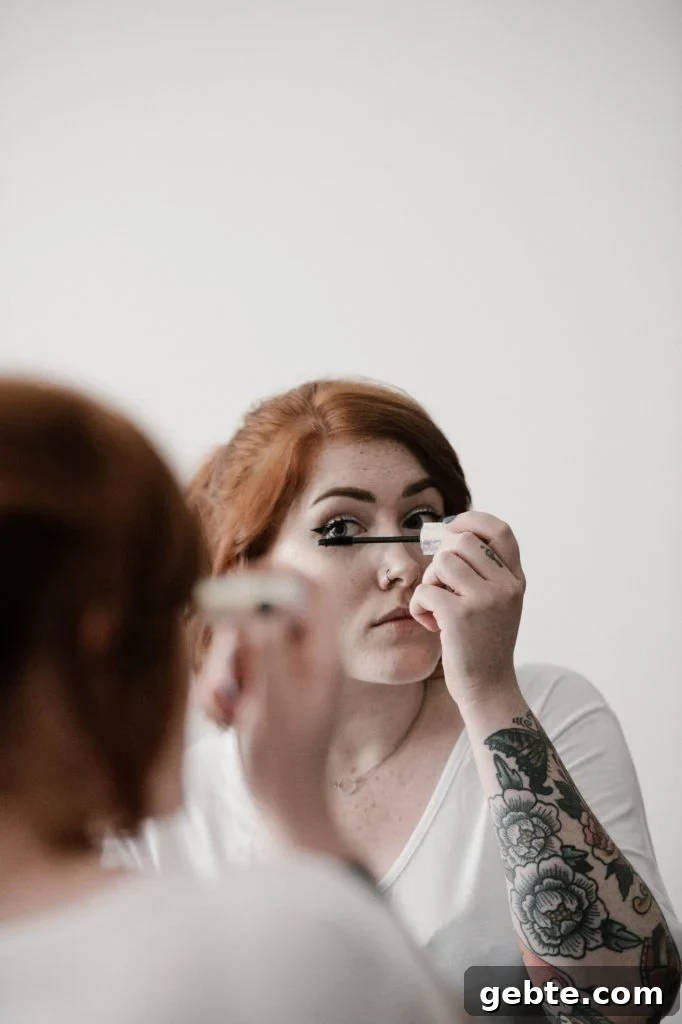
Parabens
Parabens are widely used preservatives that prevent microbial growth. However, they are associated with endocrine disruption and have been linked in some studies to reproductive issues and cancer concerns. Because mascara sits so close to sensitive tissues, many people prefer paraben-free formulas and replace mascara regularly (every three months) to avoid microbial contamination.
Thimerosal
Thimerosal is a mercury-containing preservative that is highly toxic and particularly concerning for pregnant people and young children. Although its use has been restricted in many products, it is a preservative to avoid in eye cosmetics.
Formaldehyde
Formaldehyde and formaldehyde releasers can cause allergic reactions, respiratory irritation, and other symptoms. Because it is classified as a carcinogen, many consumers choose to avoid mascaras that contain formaldehyde or formaldehyde-releasing preservatives.
Aluminum Powder
Aluminum powder can be used for pigmentation but is a heavy metal that has raised concerns about neurotoxicity. Some regulatory bodies have discouraged its use in cosmetics.
Body
I Tried 9 Non-Toxic, Natural, Lead-Free Lipstick Brands
Skip phthalates, lead, and other toxic chemicals. These are favorite non-toxic and natural lipstick and lip gloss brands.
Coal-Tar Dyes
Coal-tar dyes are synthetic colorants that can be contaminated with heavy metals and have been linked to allergic reactions and eye injury. They appear under complex names such as p-phenylenediamine and related compounds. Because they carry contamination risks, many consumers seek mascaras that rely on safer pigments.
Butylated Hydroxytoluene (BHT)
BHT (and BHA) are synthetic antioxidants used to extend shelf life. They have been associated with reproductive and developmental toxicity in some studies and are considered questionable by those avoiding synthetic preservatives and petroleum-derived ingredients.
Sodium Laureth Sulfate (SLS)
SLS can be irritating and is often produced via ethoxylation, a process that can introduce trace contaminants such as 1,4-dioxane and residual ethylene oxide. Because of this contamination risk and its potential for irritation, many people avoid SLS in eye-area products.
Talc
Pure talc is inert, but talc mined near asbestos deposits can be contaminated with asbestos, a known carcinogen. For that reason some consumers avoid talc in cosmetics, particularly products used near the eyes.
Fragrance
“Fragrance” or “parfum” on a label can hide many undisclosed chemicals. Fragrance mixes commonly include components that cause irritation or allergic reactions, and ingredient disclosure is limited by trade-secrecy rules. For sensitive eyes, fragrance-free formulas are a safer choice.
Less Toxic Ingredients in Mascara
Some ingredients fall into a gray area: they are commonly used in cleaner formulas but may still irritate sensitive people or carry minor concerns. These include:
Phenoxyethanol
Used as an alternative preservative to parabens and formaldehyde releasers, phenoxyethanol is generally considered safer but can irritate sensitive individuals. It may also be produced via ethoxylation, so trace contaminants are a potential concern; regulatory bodies limit its concentration in products.
Acacia Senegal Gum (Gum Arabic)
Gum Arabic is a plant-derived thickener used in food and cosmetics. It’s generally safe but can cause allergies or digestive symptoms if ingested. As a topical ingredient in mascara it is considered low risk for most people.
Aminomethyl Propanol
Aminomethyl propanol is a pH adjuster considered safe within specified limits; it can be irritating to some at higher concentrations, which is why formulations typically keep it under 1%.
Propylene Glycol
Propylene glycol is a common solvent and humectant derived from petroleum. It can be irritating for some users and is another ingredient that sensitive individuals may wish to avoid in eye-area products.
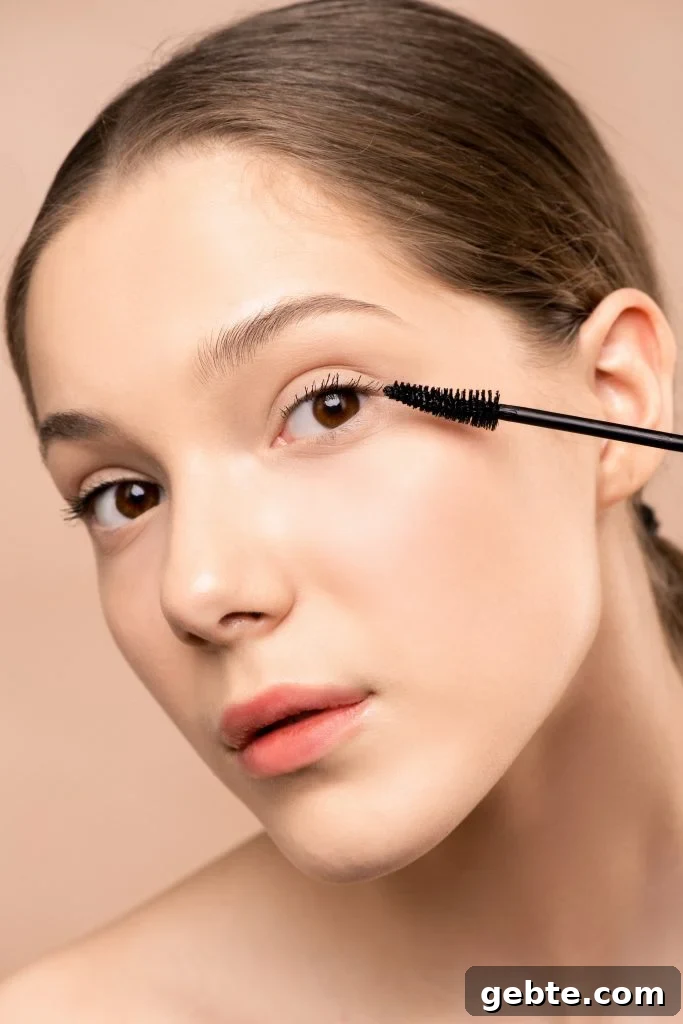
Are Natural Or Organic Drugstore Mascaras Any Good?
Yes. There are drugstore brands that are both safer and effective. Many of these omit the most concerning ingredients and include conditioning agents such as jojoba oil, coconut oil, beeswax, and vitamin E to nourish lashes while providing volume and length. Below are several options widely available in stores.
8 Non-Toxic, Natural Drugstore Mascara Brands
Honest
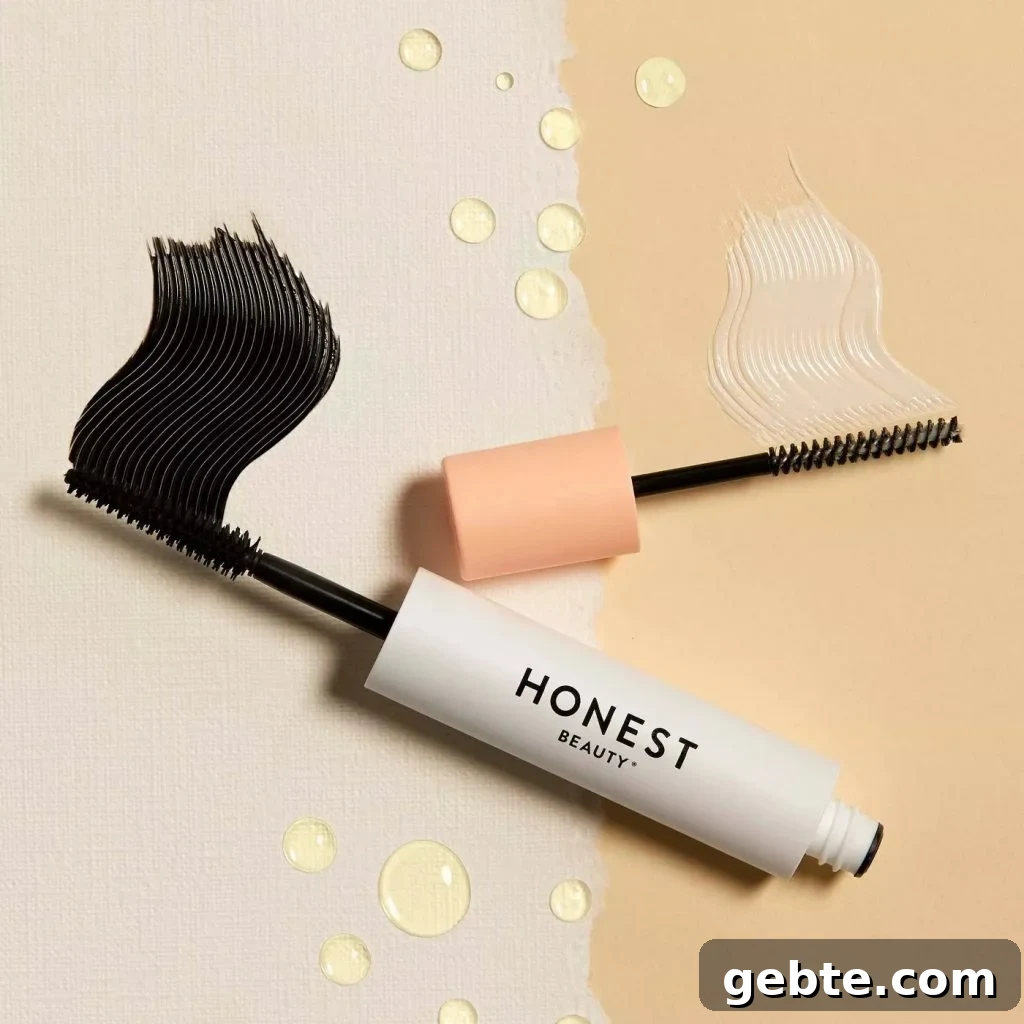
Honest Beauty offers a popular non-toxic mascara that’s widely available and formulated with jojoba esters and beeswax. It’s cruelty-free and designed to minimize irritating ingredients while conditioning lashes.
Physicians Formula
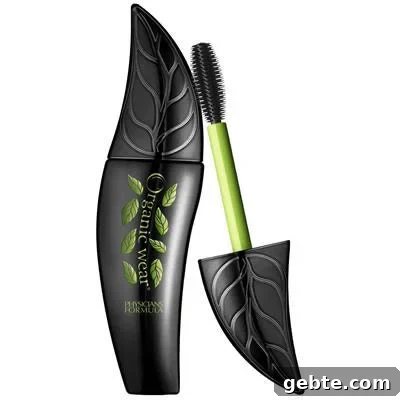
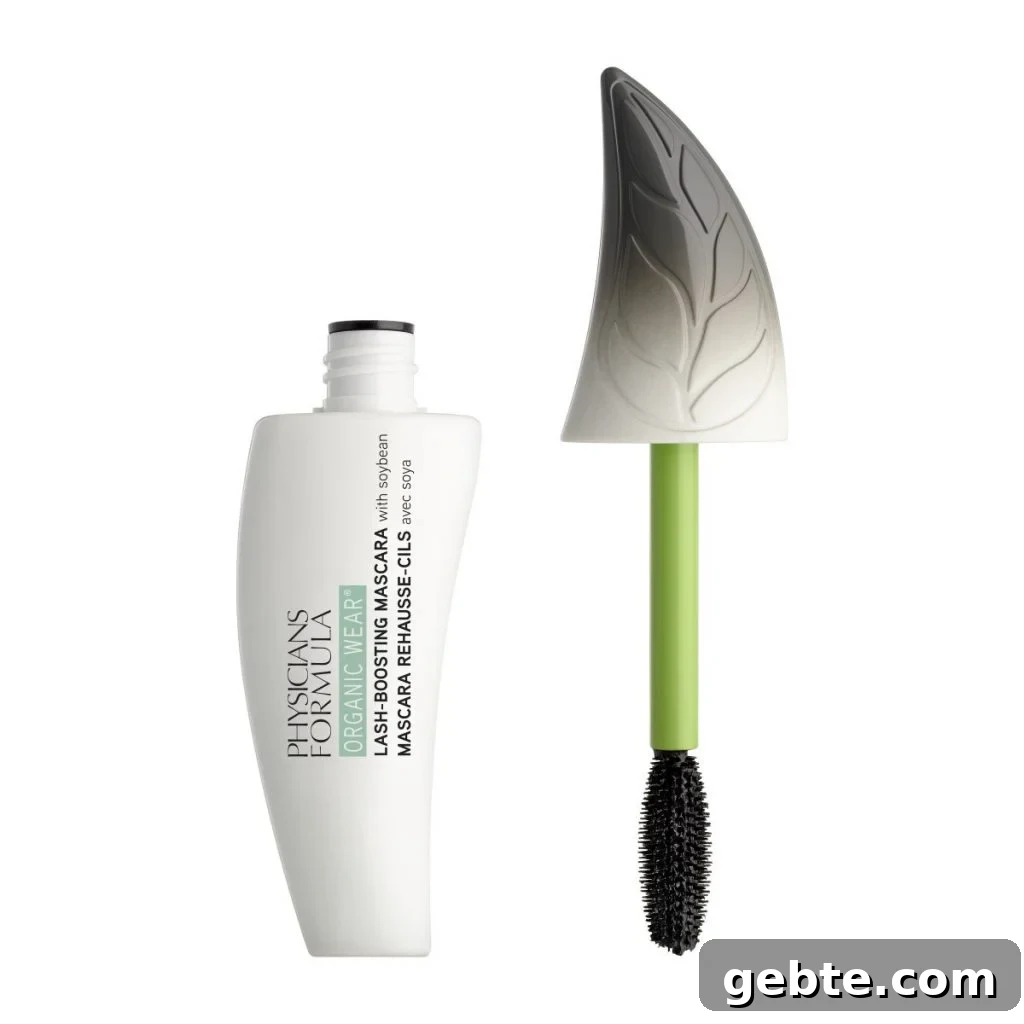
Physicians Formula sells natural and organic mascara lines that avoid fragrance, parabens, and gluten, and are ophthalmologist tested. They typically include nourishing oils like jojoba and aloe vera.
Pacifica
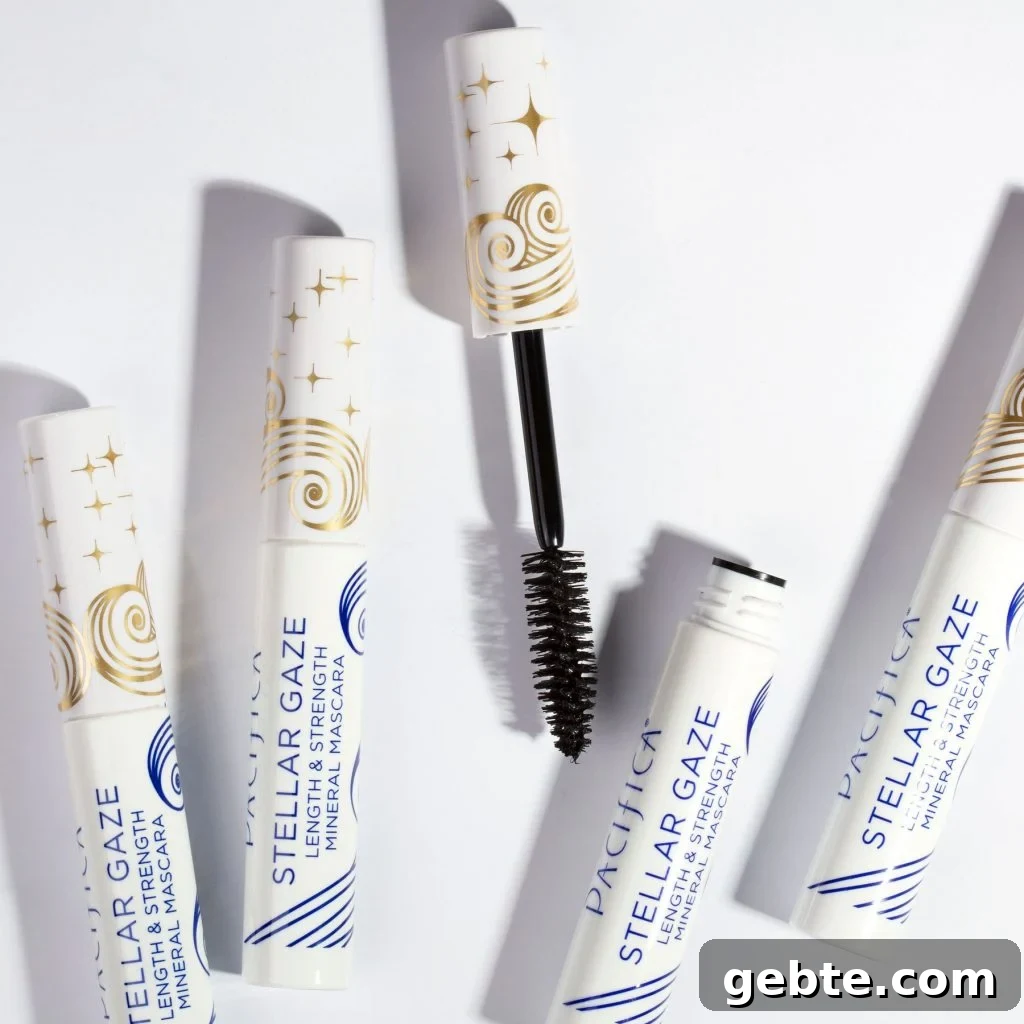
Pacifica offers vegan, cruelty-free mascaras formulated with coconut oil, jojoba, vitamin B, and chamomile. They come in several finishes and some water-resistant options.
Burt’s Bees
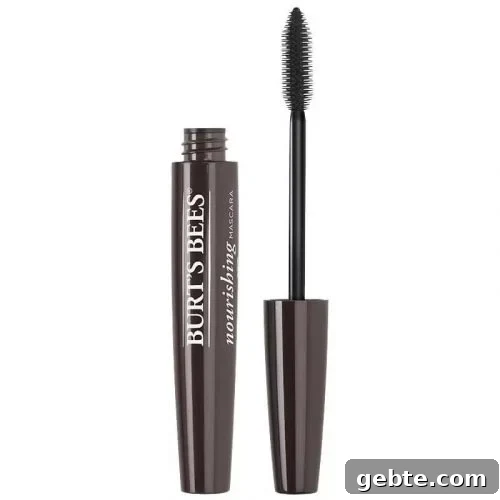
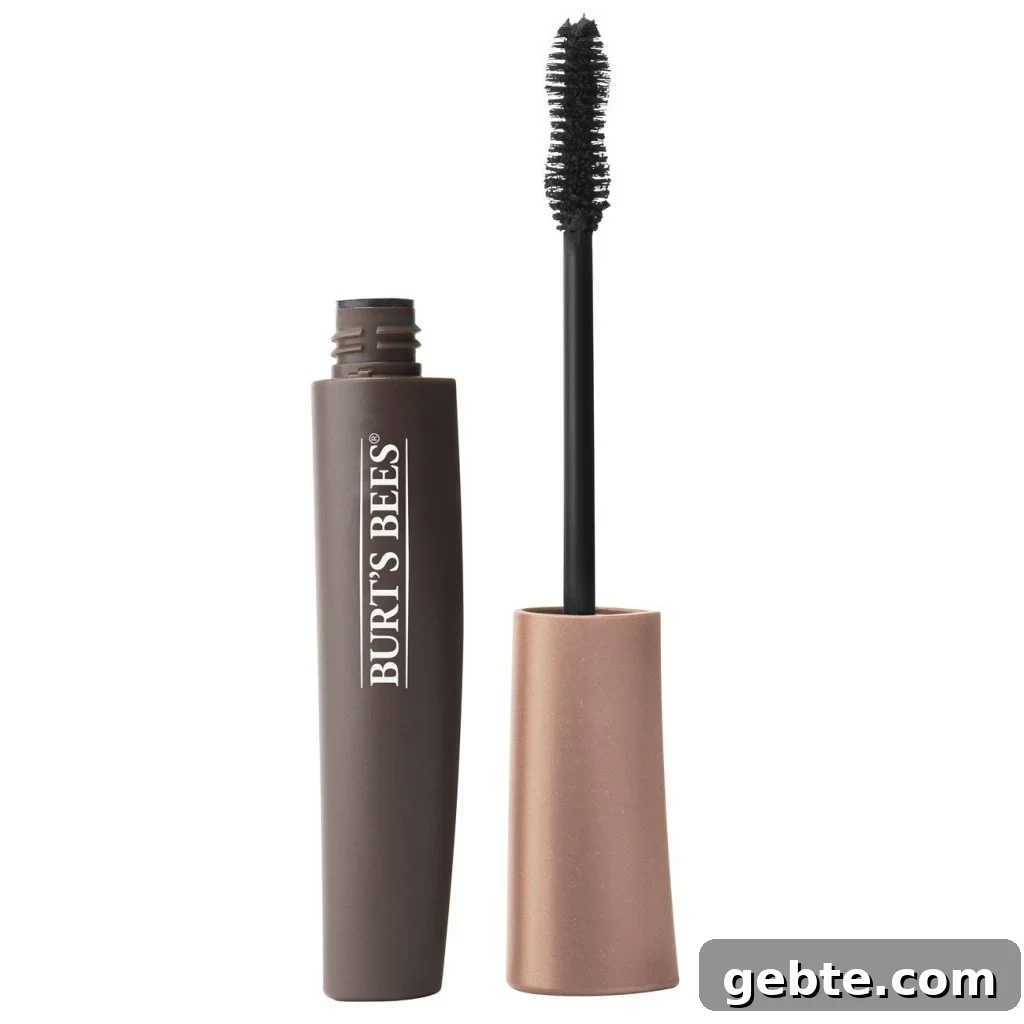
Burt’s Bees mascaras are cruelty-free, ophthalmologist tested, and formulated with jojoba oil. Their mascaras are generally considered safe options among natural drugstore choices.
W3LL PEOPLE
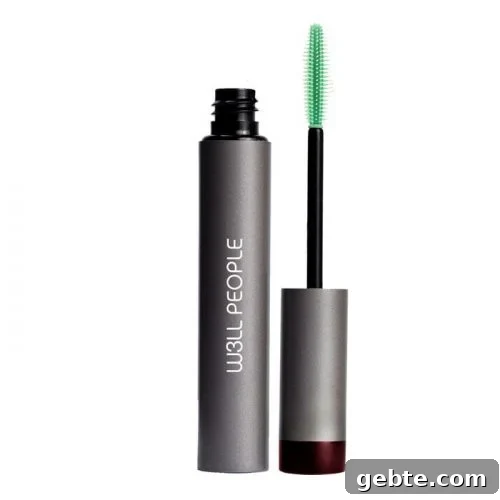
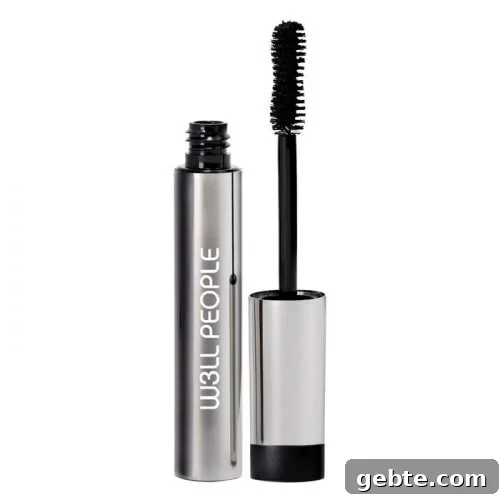
W3LL PEOPLE offers EWG-verified, gluten-free mascaras made with beeswax and sunflower seed oil. They are often recommended for sensitive eyes and have clean ingredient profiles.
Milani
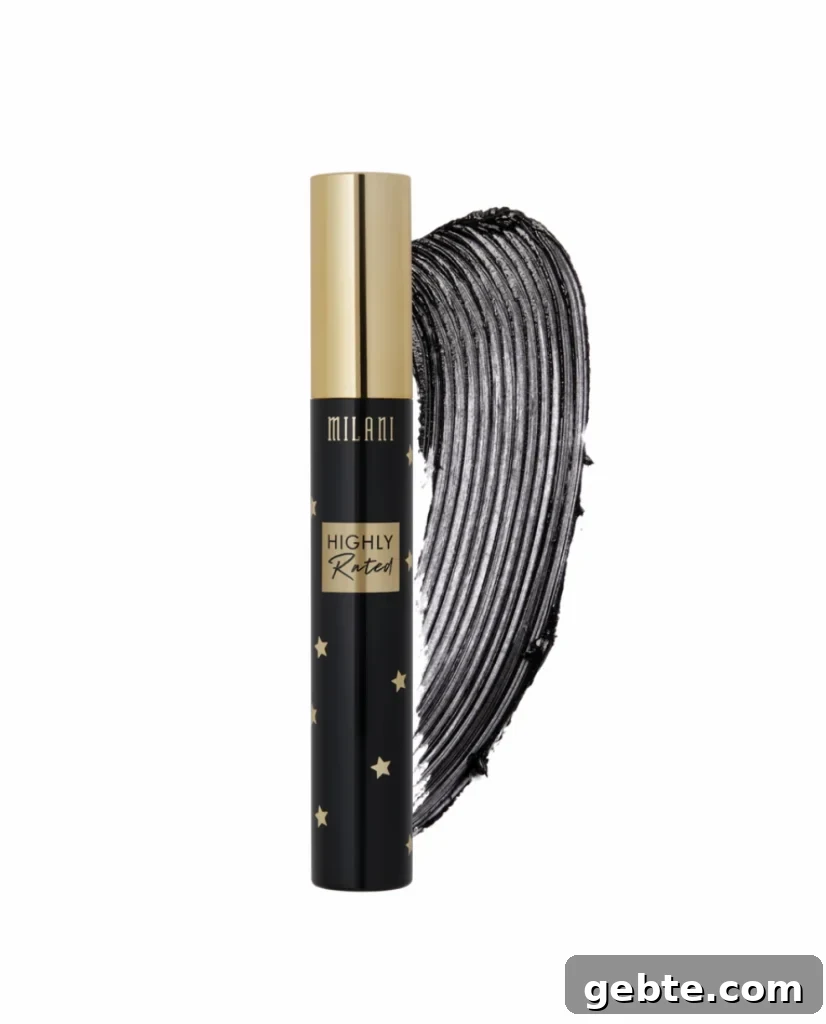
Milani produces a popular drugstore mascara that is cruelty-free, made in the USA, and contains beeswax and jojoba oil. Note that not all Milani formulas are free of questionable ingredients, so check labels and choose the safer options.
NYX On the Rise Mascara
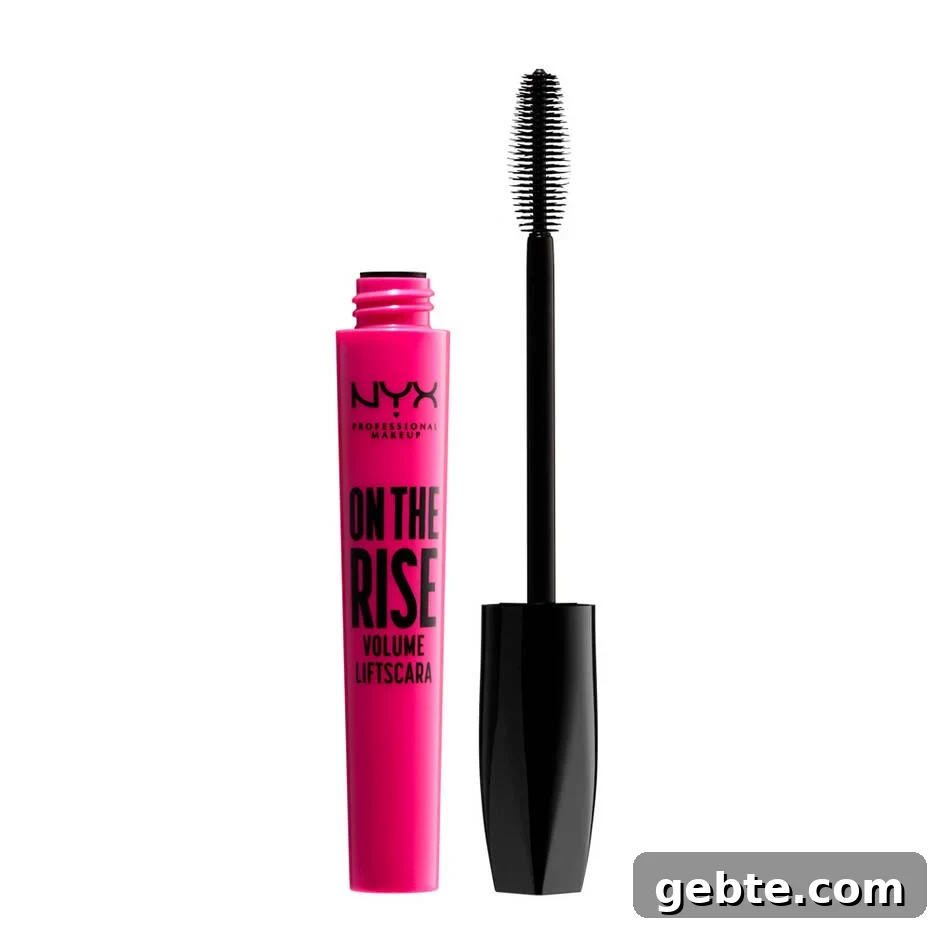
NYX’s On the Rise “Liftscara” is vegan and available at many retailers. Of NYX’s range, this particular formula is the one generally recommended for a cleaner ingredient profile.
No7 Stay Perfect Long Wear Tubular Mascara
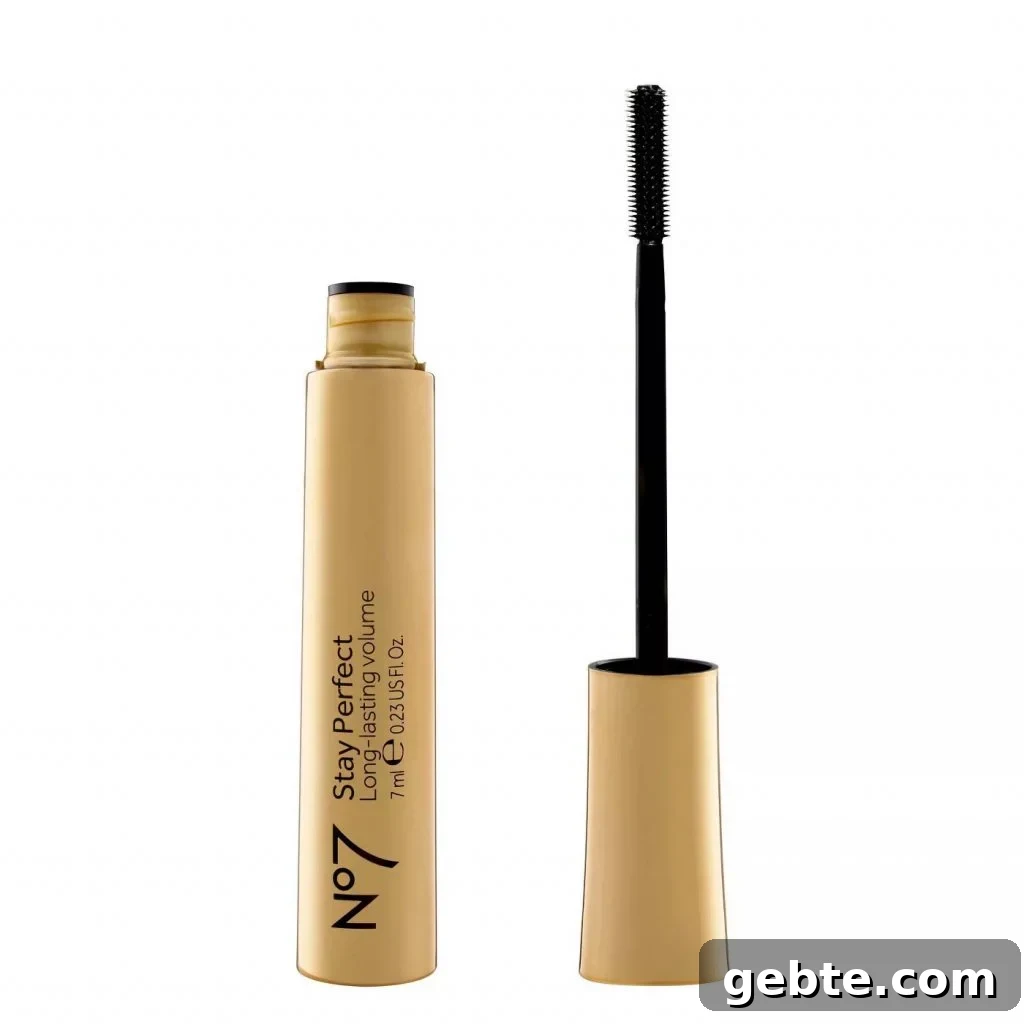
No7’s Tubular Mascara is a long-wear, waterproof formula that uses jojoba oil and beeswax. It’s a good option if you want a durable, cleaner formula—just note that other No7 products may vary.
“Less Toxic” Mascaras Available at Drugstores
If you need a conventional mascara in a pinch, the following options avoid many of the worst ingredients and are generally considered acceptable by those trying to reduce exposure. They may still contain moderate-risk ingredients, so check labels if you are especially sensitive:
- Revlon Extend Lift Volumized Mascara
- L’Oreal Paris Voluminous Million Lashes Mascara
- Maybelline Volum’ Express The Colossal Cat Eyes
- Maybelline The Colossal Volum’ Express
- Maybelline The Falsies Volum’ Express Mascara
- Maybelline Volum’ Express The Mega Plush
- Maybelline Lash Sensational Mascara
- Wet N Wild Mega Length Waterproof Mascara
- Wet N Wild Lash Renegade Multi Dimensional Waterproof Mascara
- Wet N Wild Megawear Enhance & Define Mascara
Covergirl Lash Blast Clean Volume Mascara
Covergirl’s “clean” Lash Blast Volume line aims to remove some problematic ingredients and is vegan and cruelty-free. It still contains a few potentially concerning components, so it’s an improvement but not the cleanest option available.
Is Maybelline Mascara Non-Toxic?
Maybelline offers many formulas with varying ingredient safety. Some of their mascaras rank better than others. The ones listed above are among their more acceptable options, while other variants contain ingredients best avoided. Always compare ingredient lists rather than assuming a brand is uniformly safe.
What Are the Best Natural, Non-Toxic Mascaras?
If you want to go beyond drugstore shelves, many online brands prioritize clean ingredients and performance. A few well-regarded options include:
- ILIA Limitless Lash Mascara
- Mineral Fusion Volumizing and Lengthening Mascaras
- Saie Clean Mascara
- 100% Pure Maracuja and Fruit Pigmented® Ultra Lengthening Mascaras
- Tarte Lights, Camera, Lashes and Lash Paint
- Ere Perez Avocado Waterproof and Natural Almond Mascaras
- Juice Beauty PHYTO-PIGMENTS Mascara
Best Non-Toxic, Natural Makeup Remover
Removing eye makeup gently at night helps prevent irritation and infection. Clean makeup remover options include:
- Farmaesthetics Eyebright Eye Makeup Remover and Treatment Oil
- One Love Organics Botanical B Cleansing Oil & Makeup Remover
- S.W. Basics Makeup Remover
- Organic coconut oil as a simple, natural remover
Conclusion
The cosmetics industry has made progress: non-toxic drugstore mascaras are more available than a decade ago. Still, some mainstream mascaras contain problematic ingredients. When shopping, prioritize formulas that avoid known toxins, choose fragrance-free and ophthalmologist-tested options when possible, and remove makeup every night. The brands listed above are a good starting point when you want safer, effective mascara from the drugstore or online.