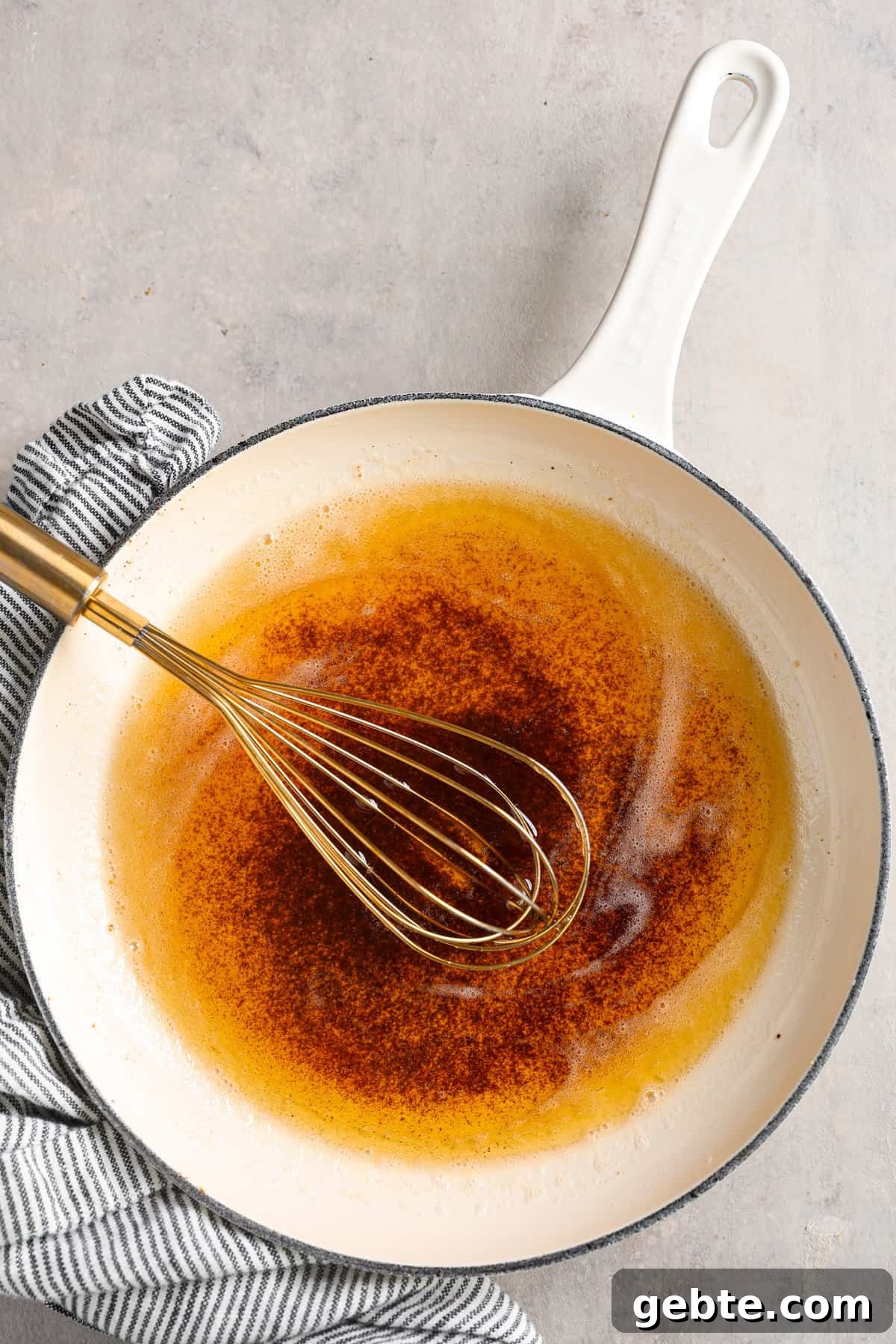
Learning how to brown butter is a simple technique that unlocks deep, nutty flavor for both sweet and savory dishes. Gently cooking butter on the stovetop to toast the milk solids creates a warm, caramel-like aroma that enhances cookies, cakes, sauces, vegetables, seafood and more.
Brown butter is incredibly versatile. It brightens baked goods like sugar cookies and butter pecan cake, makes an irresistible frosting, and elevates savory dishes—from crispy gnocchi to roasted carrots. Once you taste it, you’ll find countless ways to fold it into your favorite recipes.
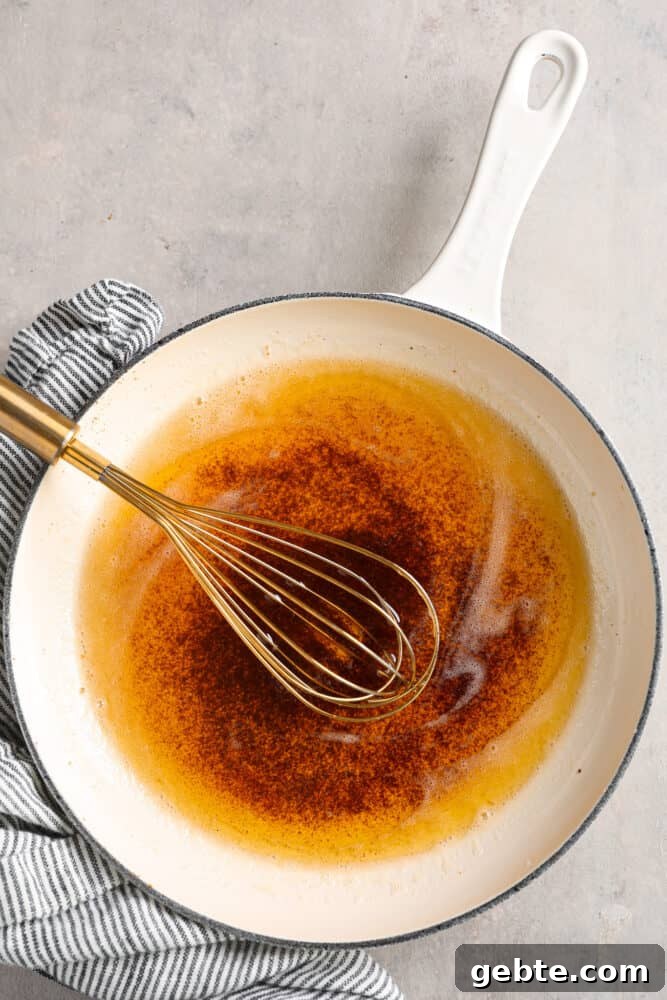
What Is Brown Butter?
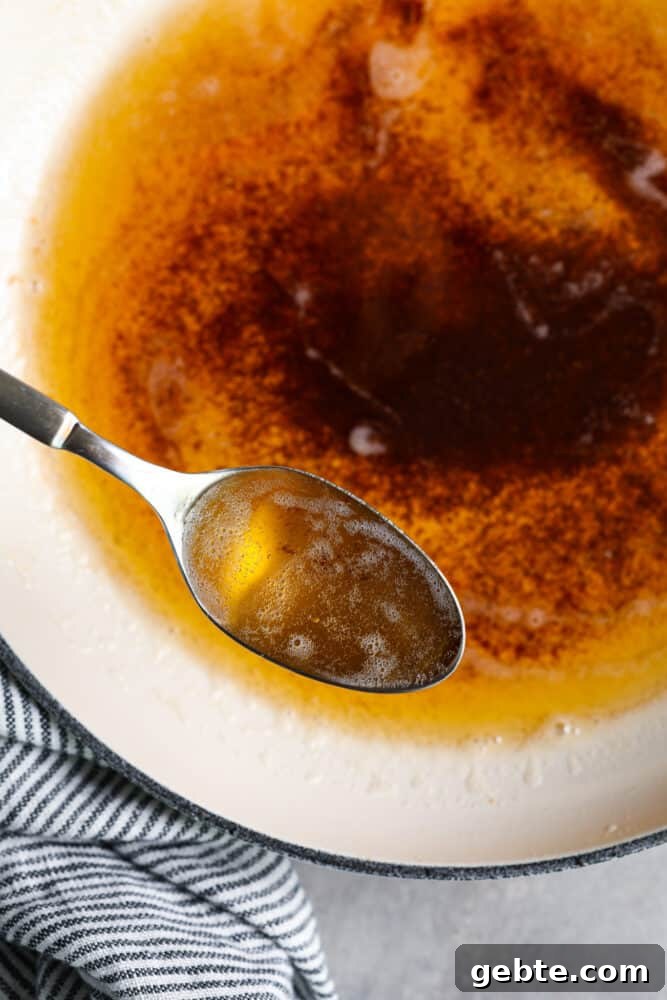
Brown butter is regular butter that has been gently melted and cooked until the milk solids turn golden brown and develop a toasty, nutty flavor. As the butter heats, water evaporates and the milk solids caramelize, producing both aroma and depth. Use brown butter in sauces, baking, sautéing, or as a finishing touch to vegetables and proteins.
Learning this staple technique is a small investment with big rewards. It’s an easy way to upgrade everyday recipes and create memorable dishes with minimal effort.
What Do You Need To Brown Butter?
Only one ingredient is required: unsalted butter. For tools, use a medium skillet or saucepan and a spatula, wooden spoon, or whisk to stir. Unsalted butter is recommended so you can control the seasoning—salted butter varies by brand and can concentrate salty flavors in the browned solids.
- Unsalted Butter: Use good quality unsalted butter. The recipe example uses 1 cup, but you can brown any amount—remember that less butter will brown faster while larger amounts will take longer.
How To Make Brown Butter
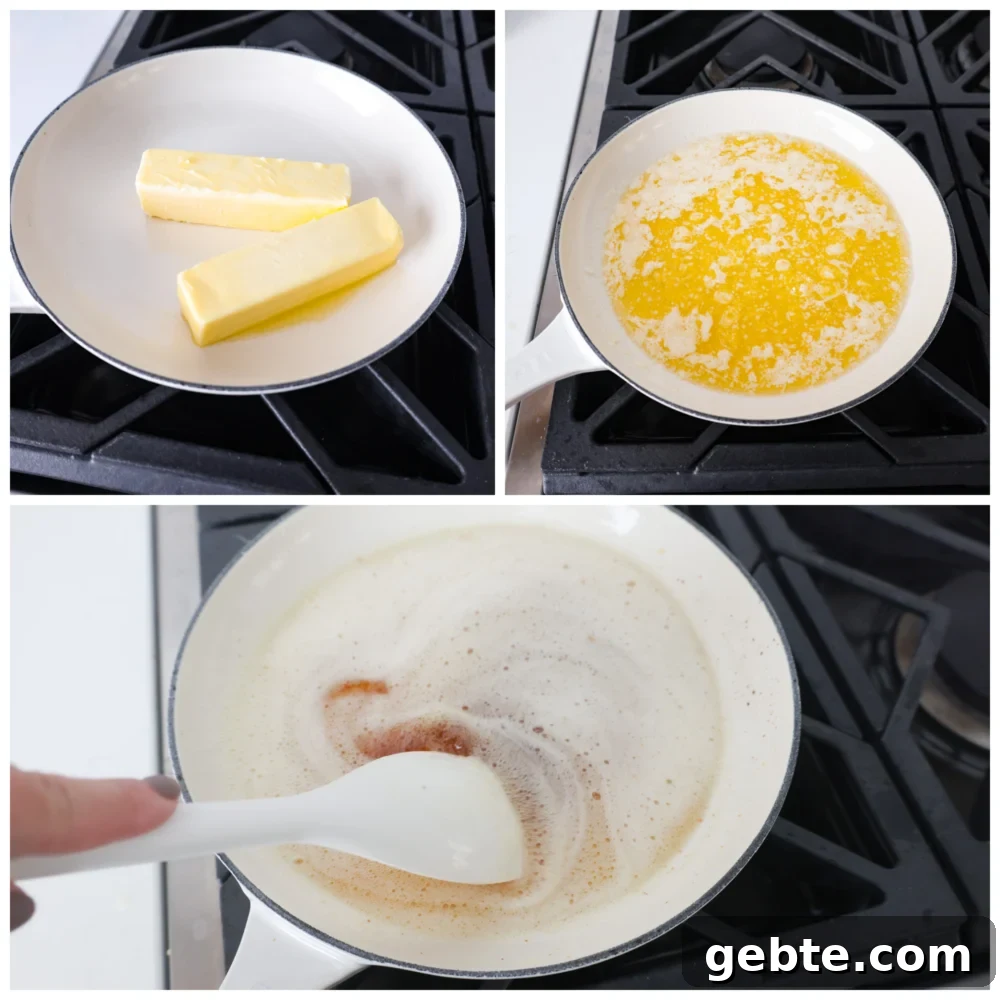
Browning butter is straightforward. Stay attentive and be patient—once the butter starts to brown it can finish quickly. Follow these steps for reliable results:
- Place the butter in a medium saucepan or skillet and heat over medium heat until fully melted.
- The butter will foam as it melts. Raise the heat slightly above medium and stir frequently while it sizzles and pops.
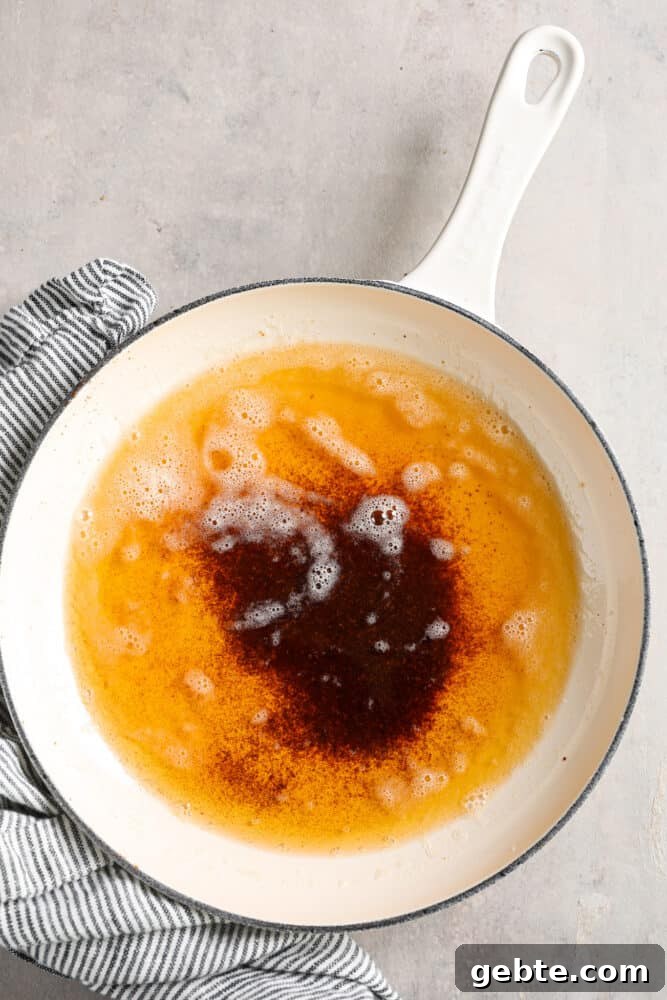
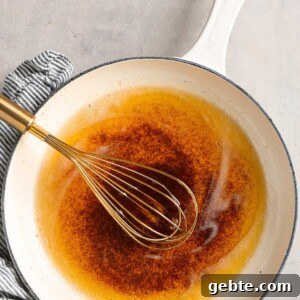
- When the popping slows and the butter turns a golden-brown color with a nutty aroma (usually around 6–8 minutes), remove it from the heat and immediately pour it into a heatproof bowl to stop cooking. Allow to cool for 10–15 minutes.
- Use immediately, or cool completely and refrigerate in a sealed container for up to 5 days. You can also freeze portions for longer storage.
Tips
These practical tips will help you brown butter confidently and avoid common pitfalls.
- Use Unsalted Butter: Unsalted butter lets you control the final seasoning. Salted butter can concentrate salt in the browned solids and alter the flavor.
- Be Patient: Browning happens after the water evaporates and the milk solids begin to toast. Don’t rush the process; watch for the color and aroma to change.
- Watch Closely: Once the butter begins to brown it can go from perfect to burnt quickly. Stir or swirl frequently and remove from heat as soon as you smell the nutty aroma and see golden flecks.
- Adjust Temperature: Aim for medium to medium-high heat. If the butter is taking much longer than 10 minutes, increase the heat slightly; if it’s browning too fast, lower the heat.
Storing Browned Butter
Browned butter solidifies as it cools and stores well. Here are easy storage methods to keep it ready for future use.
- Refrigerator: Store in a sealed container for up to 5 days.
- Freezer: Freeze in a sealed container for up to 3 months. Pour into ice cube trays, freeze, then transfer the cubes to a zip-top bag for convenient portioning.
- To Reuse: Reheat gently in the microwave or on the stovetop over low heat until melted.
Recipes To Try Using Brown Butter
Brown butter enhances a wide range of dishes. Try it with fish, roasted vegetables, spiced desserts, or as the star of a sauce. Here are a few ideas to inspire you.
Dinner
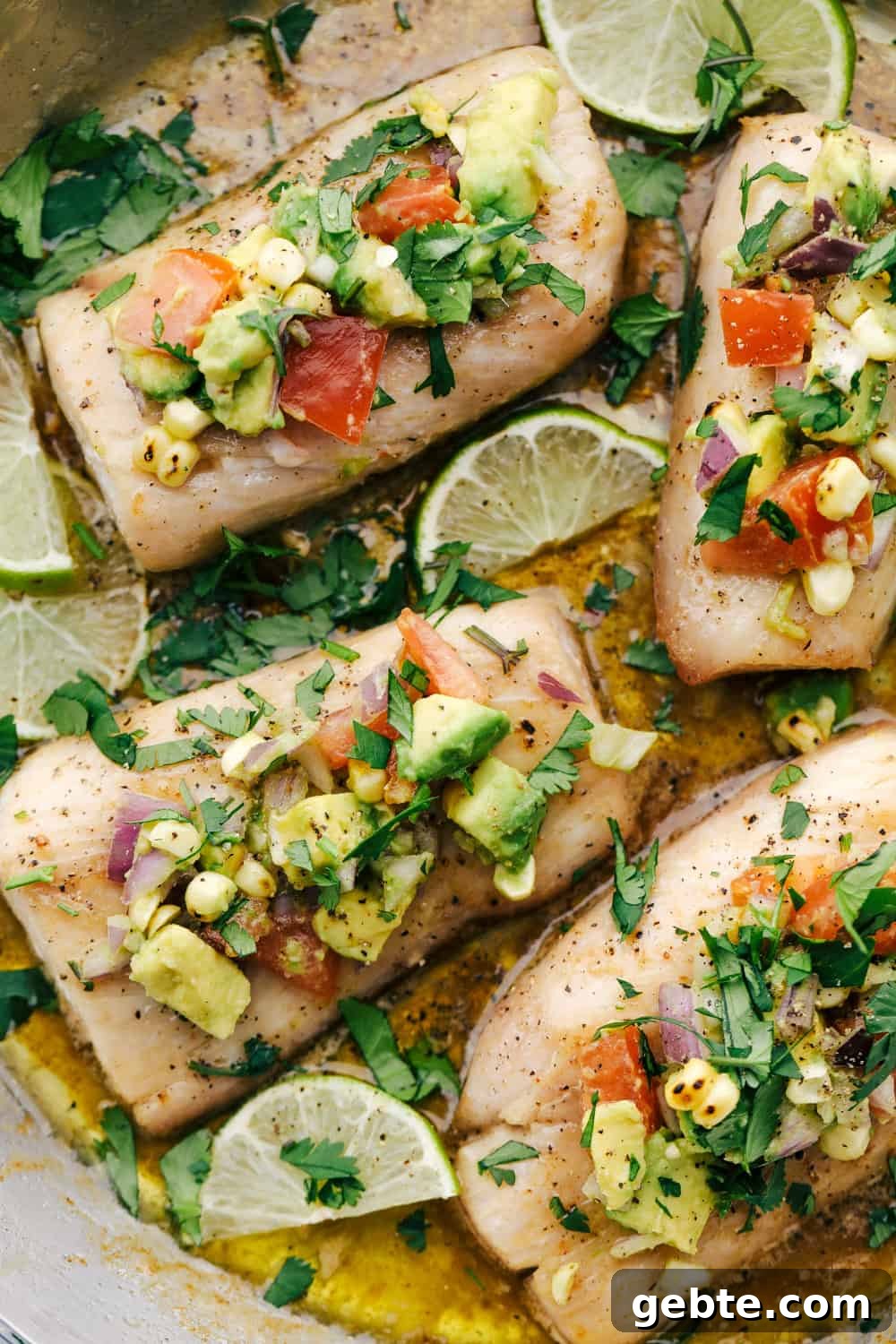
Brown Butter Lime Mahi Mahi with Avocado Salsa
30 minutes
Desserts
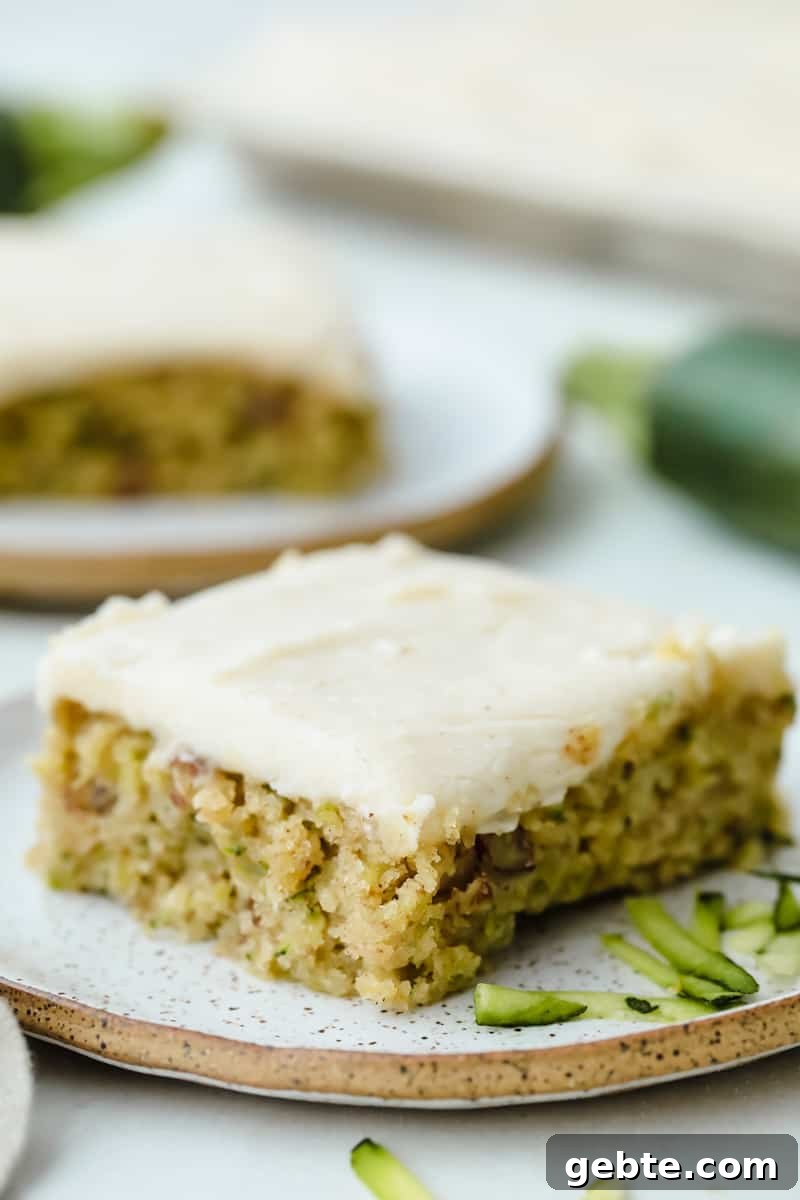
Zucchini Bars with Brown Butter Frosting
50 minutes
Desserts
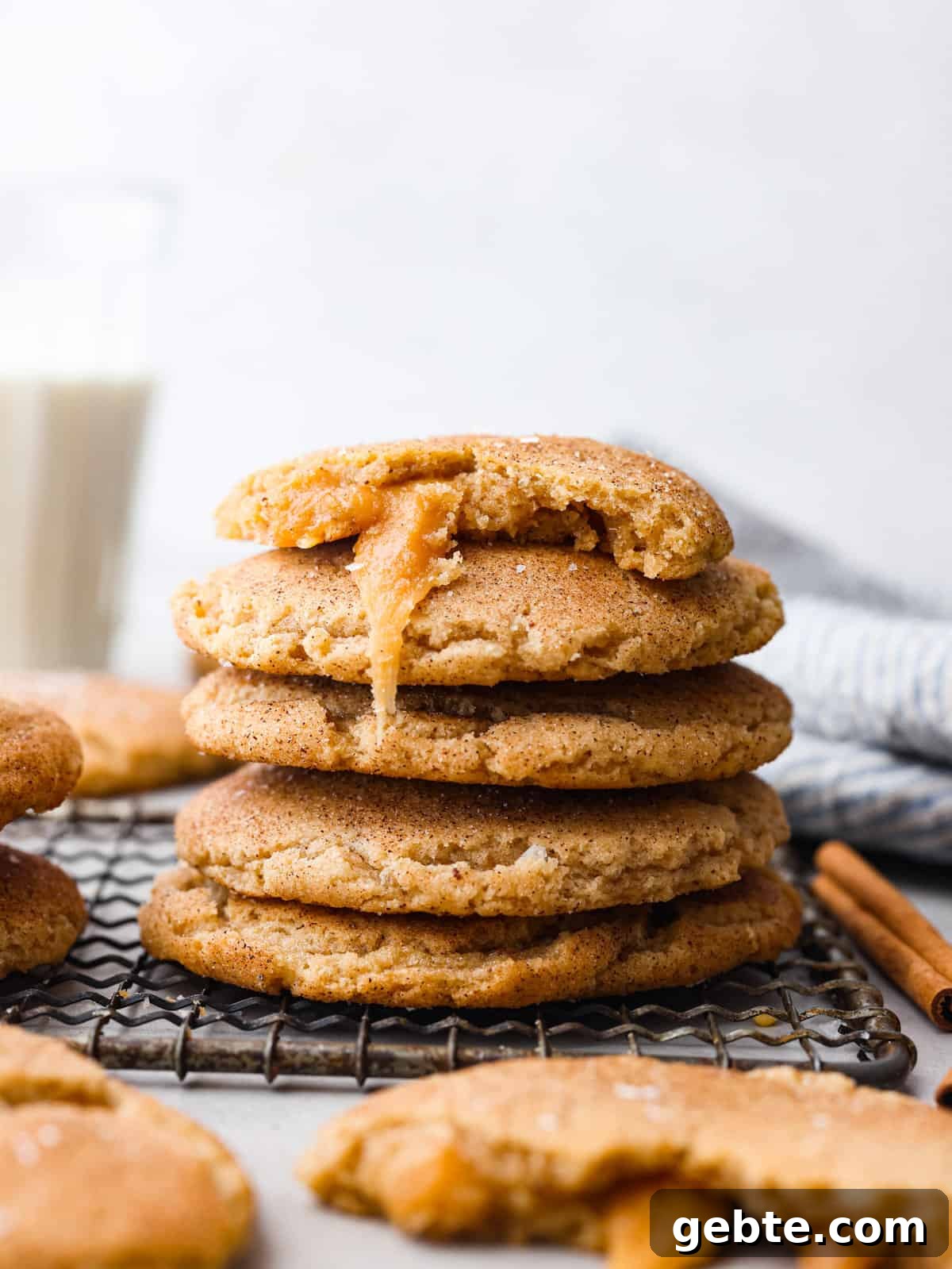
Brown Butter Salted Caramel Snickerdoodles
38 minutes
Dinner
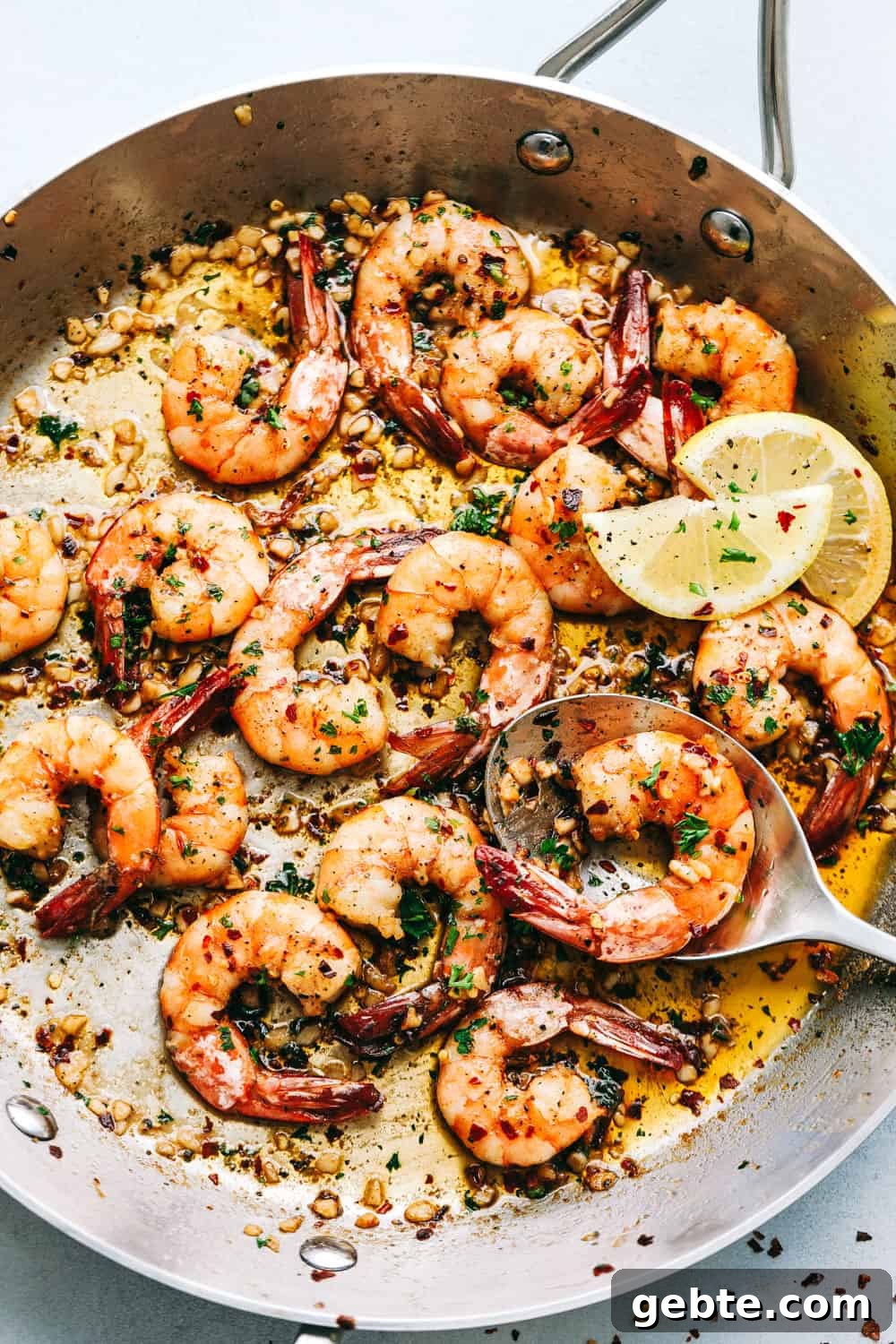
Brown Butter Spicy Garlic Shrimp
10 minutes
How to Brown Butter
8
8
8
Ingredients
-
1
cup
unsalted butter,
or your desired amount
Instructions
-
Place butter in a medium-sized saucepan and heat over medium heat until melted.
-
Once melted, raise the heat just a notch above medium and continue to cook, stirring constantly as it pops and sizzles.
-
When the popping slows and the butter turns golden brown and fragrant (about 6–8 minutes), remove from heat and pour into a small heatproof bowl. Let cool for 10–15 minutes.
-
Use immediately or cool completely and store in the refrigerator for up to 5 days.
Nutrition
Calories: 203kcal
Carbohydrates: 0.02g
Protein: 0.2g
Fat: 23g
Saturated Fat: 15g
Polyunsaturated Fat: 1g
Monounsaturated Fat: 6g
Cholesterol: 61mg
Sodium: 3mg
Nutrition information is automatically calculated and should be used as an approximation.
Additional Info
pantry staple
Tried this recipe?
Share how it turned out and tag the creator on social media if you’d like to show your results.