
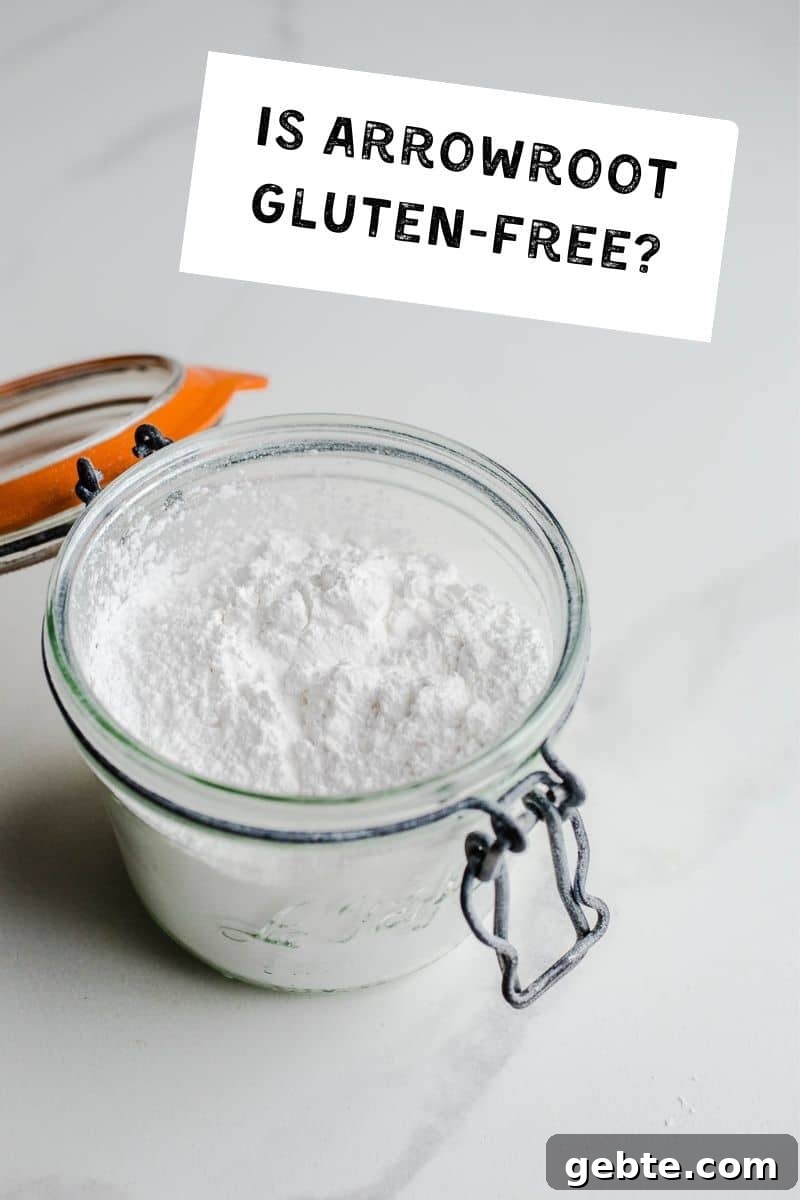
Arrowroot starch is a versatile pantry staple, an effective thickening agent, and a common ingredient in many recipes. But is it gluten-free?
Does arrowroot contain gluten? The short answer is: No, arrowroot does not contain gluten.
What is arrowroot?
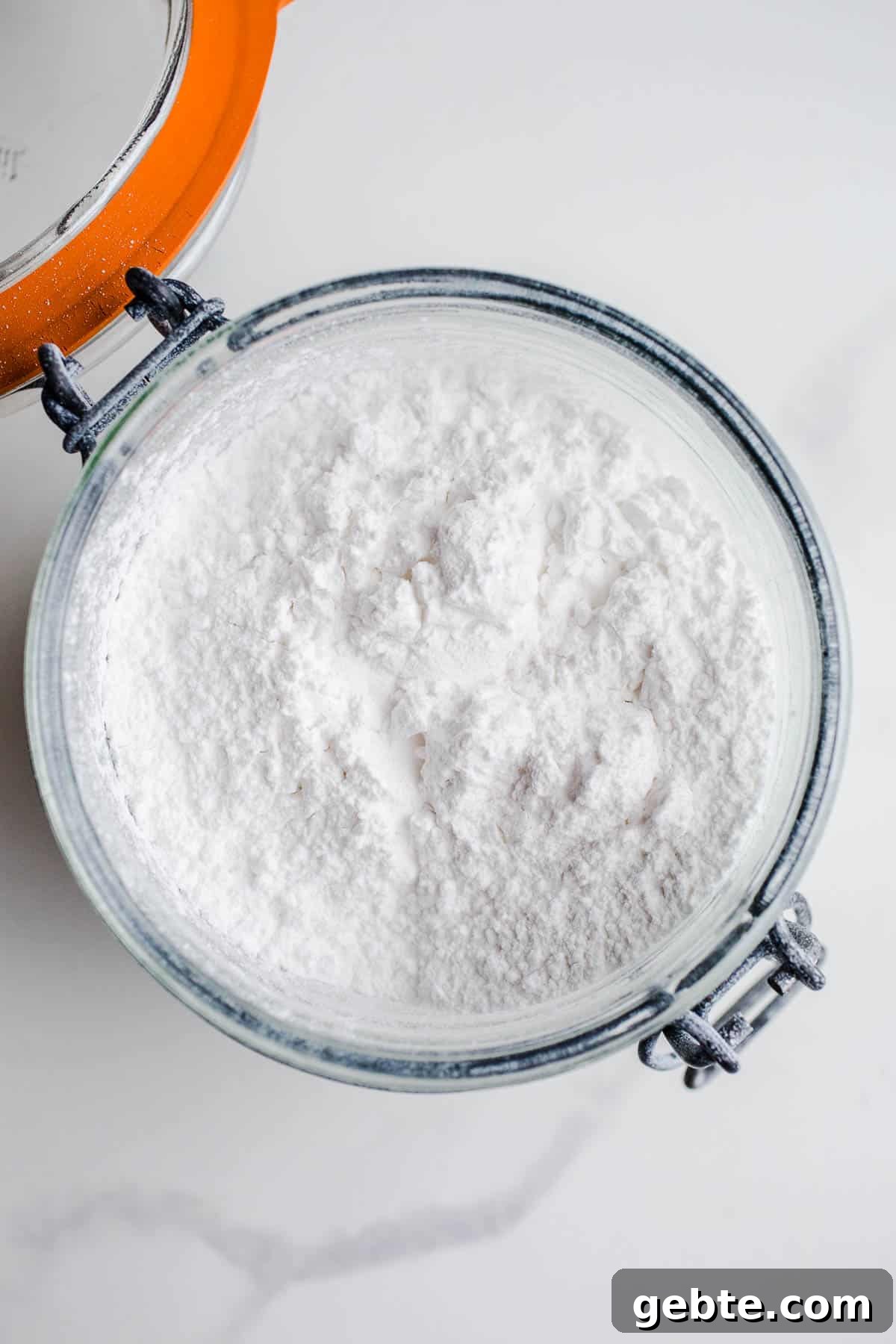
Arrowroot (Maranta arundinacea) is the finely ground starch extracted from the tuber of the arrowroot plant. The resulting powder is white, neutral in flavor, and odorless.
Because it produces a smooth, clear finish, arrowroot is widely used as a thickening agent and is an excellent alternative to cornstarch in many recipes.
Is there a difference between arrowroot starch and arrowroot flour?
No—terms like arrowroot starch, arrowroot flour, and arrowroot powder all refer to the same product and can be used interchangeably.
Is arrowroot safe for celiac?
Yes. Pure arrowroot is naturally gluten-free, making it safe for people with celiac disease or gluten sensitivities. It is also grain-free and suitable for vegan diets.
What brands are certified gluten-free?
Although 100% pure arrowroot is inherently gluten-free, some manufacturers may process their products in facilities that also handle gluten-containing grains, which introduces a risk of cross-contamination. If you need products with a verified gluten-free designation, look for packages labeled as certified gluten-free. Brands that commonly carry certified gluten-free arrowroot include:
- Anthony’s
- Namaste
- Bob’s Red Mill
- Let’s Do Organic
- Thrive Market
Health benefits
Arrowroot is an easily digested starch and can be a good substitute for cornstarch for some people. It contains dietary fiber and resistant starch, which may support digestive health. Traditional and some clinical uses include easing mild gastrointestinal discomfort and relieving certain types of abdominal pain in sensitive individuals.
When prepared, arrowroot has a relatively low glycemic index and can be a gentle option for those managing blood sugar responses compared with some refined starches.
How to use
Arrowroot powder is versatile in both sweet and savory gluten-free cooking. It works well as a corn-free alternative to cornstarch and tolerates acidic ingredients without losing thickening power.
Use it to thicken fruit fillings, jams, and jellies, or to create smooth sauces, soups, puddings, and custards. It also performs well in some baked goods, ice creams, and pie fillings. Because it activates at lower temperatures than wheat flour, add arrowroot near the end of cooking to preserve its thickening ability and avoid breaking down the starch.
If you need a substitute for arrowroot, tapioca starch (tapioca flour) or cornstarch are the most common alternatives.
Helpful tips
- Brand information can change. For the most current allergen and processing details, check the product label or consult the manufacturer’s website.
- If cross-contamination is a concern, look for a certified gluten-free label or contact the brand to confirm manufacturing practices.
- Products that do not list gluten ingredients may still be processed in facilities that handle wheat or other gluten-containing grains; always verify if you require strict gluten-free assurances.
Please note: Always read labels carefully. Some manufacturers may add other ingredients or process products in facilities that handle gluten or dairy. This article provides general information about arrowroot and gluten but is not a substitute for medical advice. Consult your healthcare provider for guidance tailored to your individual needs.