
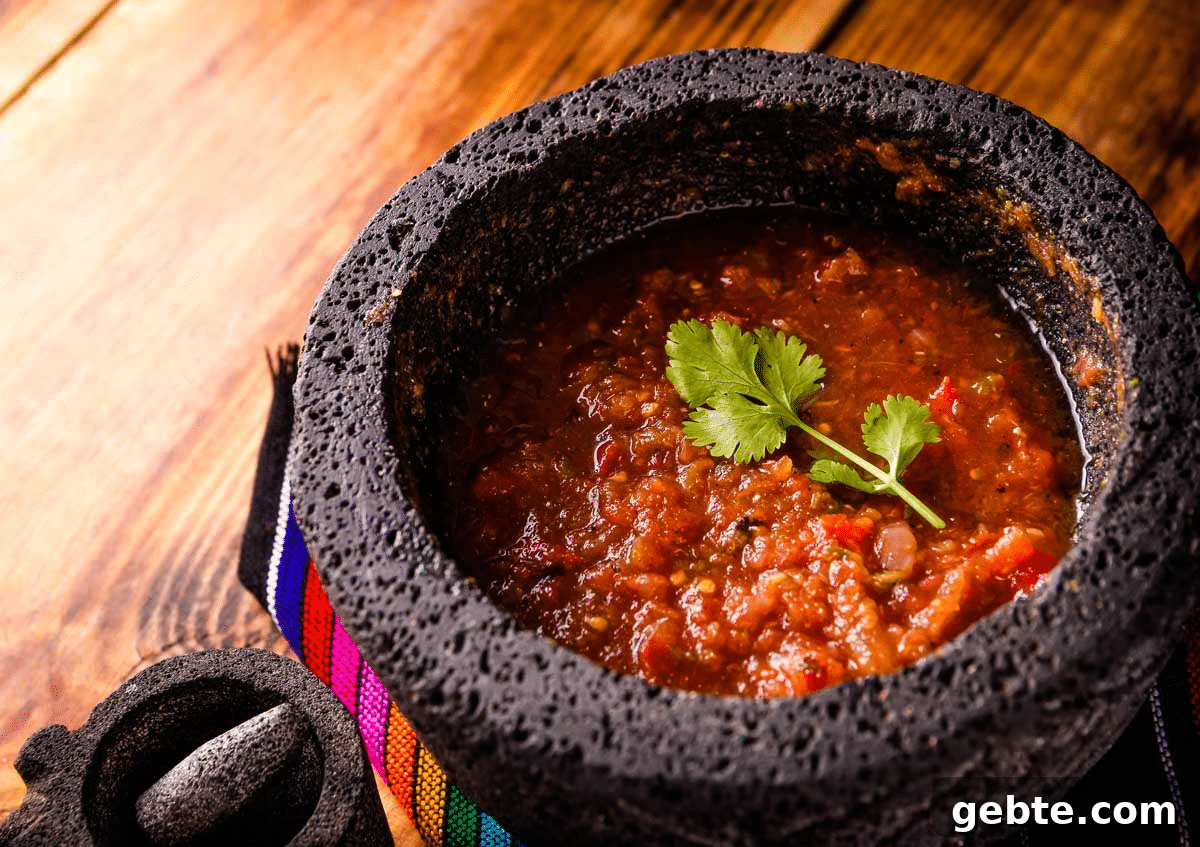
From fruity and mild to smoky and fiery, salsa offers a wide range of flavors and textures. This article explores seven popular styles of salsa, shares examples of flavor variations and recipes to try, and suggests ideal pairings for each type.
Types of Salsa
Salsa is a versatile condiment with roots in Mexican cuisine that has spread worldwide. It can be made from fresh or roasted ingredients, blended or chopped, mild or intensely spicy. The primary components—tomatoes, tomatillos, chiles, onions, lime and cilantro—appear in countless combinations, giving each salsa its own character and culinary uses.
1. Pico de Gallo
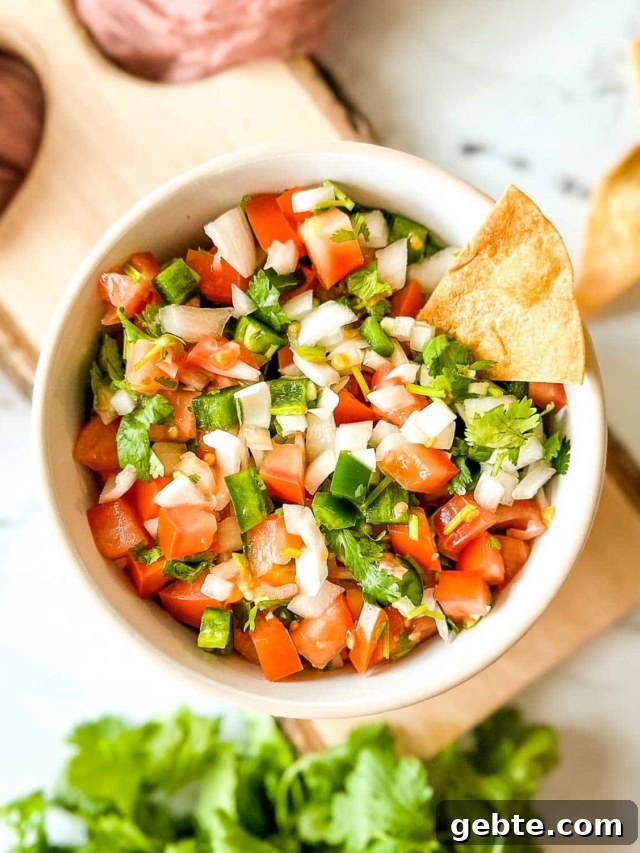
Pico de gallo is a fresh, uncooked salsa made from diced tomatoes, onions, jalapeño, lime juice and cilantro. Its bright, crisp texture makes it a refreshing accompaniment for grilled meats, fish and vegetables.
Variations are endless: add diced mango or pineapple for a fruity twist, include crunchy vegetables like jicama or bell pepper for texture, or stir in beans for a heartier salsa that doubles as a side dish. Colombian ají, which combines hot peppers, lime, cilantro and tomato, is a regional variation that offers a bolder heat profile.
“I love making hearty salsas that can double as sides for a meal. Adding beans or fresh crunchy vegetables like jicama makes this easy. Lately, both pineapple habanero salsa and mango black bean salsa have been on rotation in my house. They both go great with anything off the grill.”
—Gina Matsoukas
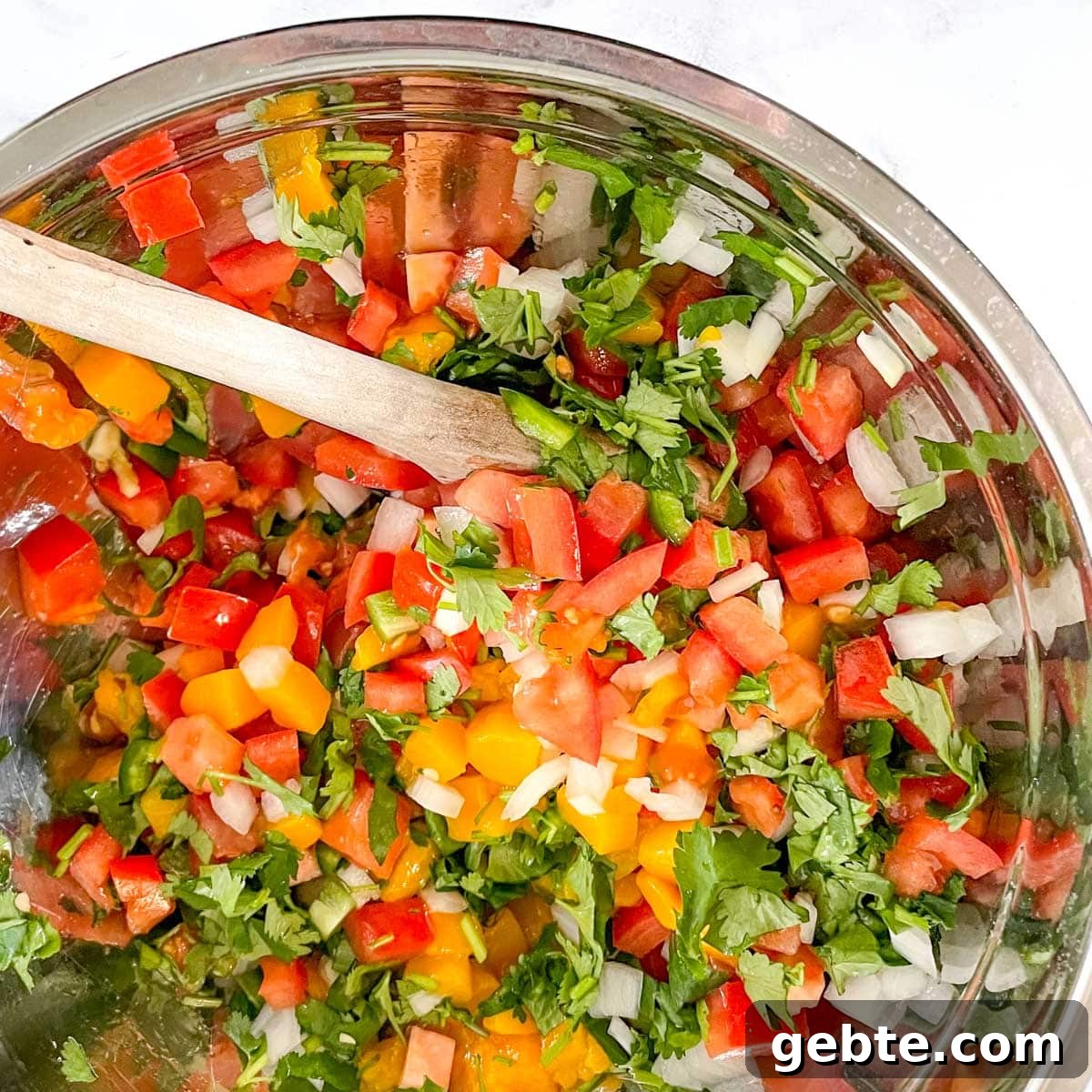
Pico de gallo pairs especially well with grilled meats, fresh fish and roasted or grilled vegetables.
2. Salsa Roja
Salsa roja is a general category for blended red salsas. It typically features tomatoes and chiles and may be made with fresh or canned tomatoes. The handling of chiles—fresh versus roasted—can change the salsa’s flavor profile and distinguishes salsa roja from other red salsas.
“I always keep two things on hand for surprise guests: a bag of tortilla chips and the makings for a quick blender salsa from canned tomatoes. It’s a classic everyone loves and is so easy to whip up in the blender.”
—Susannah Brinkley Henry
3. Salsa Taquera
Salsa taquera, meaning “taco shop salsa,” is a popular red salsa made with roasted tomatoes, roasted chiles—often chile de árbol—onion and garlic, frequently finished with fresh lime juice and cilantro. Its smoky, roasted flavor makes it an ideal topping for tacos, enchiladas and a variety of street-style Mexican dishes, and it also works well as a chip dip.
4. Salsa Verde
Salsa verde is typically made with tomatillos, chiles and onions, often roasted or charred before blending. Its bright, tangy acidity cuts through rich, fatty dishes and complements meats, cheeses and egg-based breakfasts. Serve salsa verde with tacos, quesadillas, grilled meats or even simply over rice or scrambled eggs for a fresh pop of flavor.
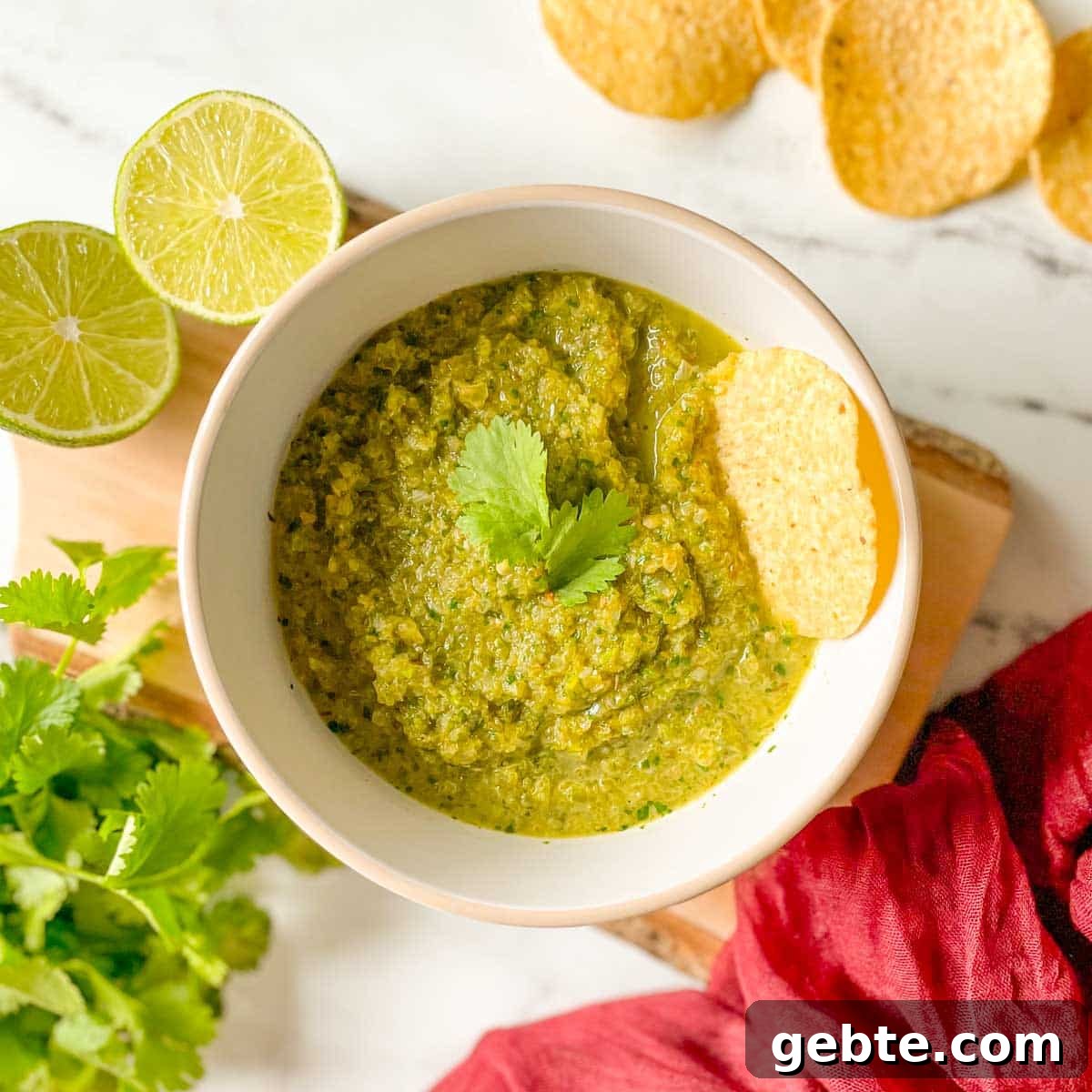
“Salsa verde is the perfect choice for when you want to provide a pop of freshness and zing that serves as a nice diversion from the usual salsa fare. I love to serve it with tortilla-based dishes like tacos or quesadillas, but it’s equally delicious served over simple white rice or scrambled eggs.”
— Kristen Wood
5. Salsa Ranchera
Salsa ranchera is a blended, fire-roasted salsa typically made from roasted tomatoes, jalapeños or serranos, onion and garlic. The roasting deepens the flavors and introduces a smoky note. Some recipes add a touch of sugar or roasted fruit—pineapple or mango, for example—to balance acidity and heat. Salsa ranchera is versatile: serve it with tortilla chips, spoon it over huevos rancheros, or use it to enliven grilled meats and stews.
6. Salsa de Aguacate
Salsa de aguacate is a smooth, creamy salsa built around ripe avocado, lime, cilantro and garlic, thinned slightly with water or a light liquid to reach a velvety consistency. Because of its creaminess, it pairs well with boldly seasoned mains, adding cooling richness to dishes like carne asada, grilled fish or spicy tacos.
7. Salsa Criolla
Salsa criolla differs from many salsas in texture and purpose: it’s more of a vinaigrette-style condiment made from thinly sliced onions, vinegar, tomatoes, chiles, bell peppers, garlic, olive oil and fresh herbs. It’s commonly served alongside grilled meats, tamales and other hearty preparations as a bright, piquant accompaniment.
Final Thoughts
Salsa covers a broad spectrum of preparations, from raw, chopped salsas like pico de gallo to blended, roasted sauces like salsa ranchera. The base can be tomatoes, tomatillos, avocado or even fruit, and heat levels range from mild to blistering. Pair salsas with grilled foods, tacos, eggs, rice and vegetables, and don’t be afraid to experiment by mixing fruits, herbs and different chiles to discover new favorite combinations.
This article originally appeared on Food Drink Life.