
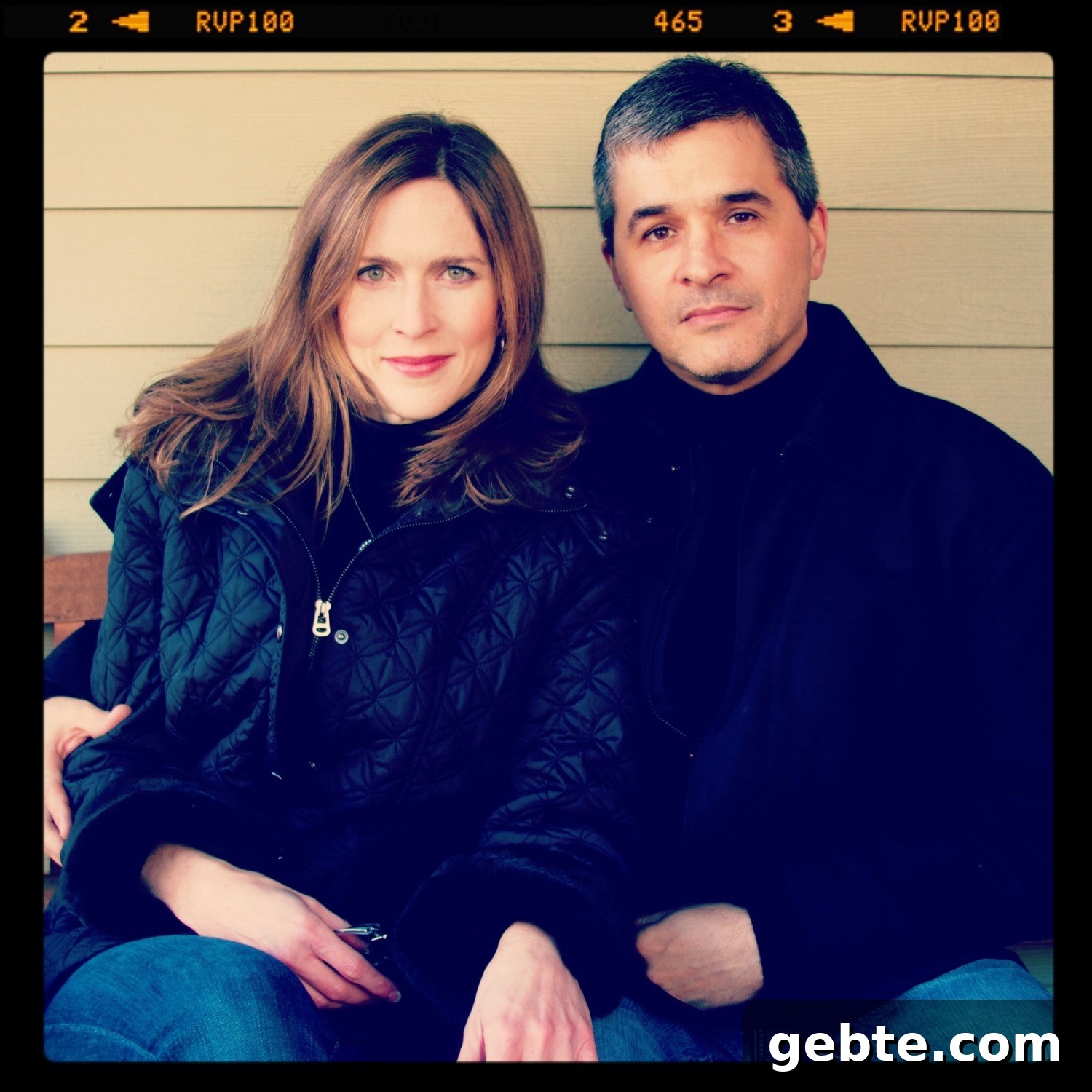
Dedicated to my “Dear and Loving Husband” Gavin, who has been my truest friend through the darkest times.
To My Dear and Loving Husband
By Anne Bradstreet
If ever two were one, then surely we.
If ever man were loved by wife, then thee.
If ever wife was happy in a man,
Compare with me, ye women, if you can.
I prize thy love more than whole mines of gold,
Or all the riches that the East doth hold.
My love is such that rivers cannot quench,
Nor aught but love from thee give recompense.
Thy love is such I can no way repay;
The heavens reward thee manifold, I pray.
Then while we live, in love let us so persevere
That when we live no more, we may live ever.
This short but profound poem by Anne Bradstreet captures a timeless devotion between spouses. The speaker expresses a deep and singular bond, suggesting that two people can become one in love and mutual respect. She values her husband’s affection above material wealth, comparing it favorably to mines of gold and the treasures of the East. The language emphasizes permanence and spiritual reward: love here is not fleeting or transactional, but an enduring force that neither time nor external riches can diminish.
Bradstreet’s lines blend simple diction with heartfelt intensity. Phrases such as “If ever two were one” and “My love is such that rivers cannot quench” use vivid metaphors to convey total union and unquenchable affection. The poem also acknowledges an imbalance—“Thy love is such I can no way repay”—and responds with a wish for divine blessing: “The heavens reward thee manifold, I pray.” This combination of humility and gratitude deepens the emotional truth of the speaker’s devotion.
The closing couplet invites readers to consider love beyond physical life: by living faithfully and loving deeply now, the couple hopes to transcend mortality and “live ever.” That aspiration turns personal affection into something almost sacred, a shared hope for continuity beyond death. The poem’s concise structure and rhythmic clarity make it accessible while its sentiments remain powerful and resonant.
Anne Bradstreet, one of the earliest published American poets, often combined personal reflection with broader spiritual and domestic concerns. This poem exemplifies her ability to render intimate feeling with dignity and restraint. Its straightforward imagery—gold, rivers, heaven—anchors the emotion in the everyday while pointing toward transcendence.
Readers continue to return to this poem because of its sincere tone and universal theme: love that values the beloved above all else and seeks to endure. Whether read as a personal dedication or as a statement about marital partnership, the poem speaks to the strength that companionship and mutual devotion can provide through life’s trials.
For those who appreciate classic love poetry, this piece remains a concise and moving example of how devotion can be expressed with clarity, reverence, and enduring hope.
Dose of Beauty Archives