
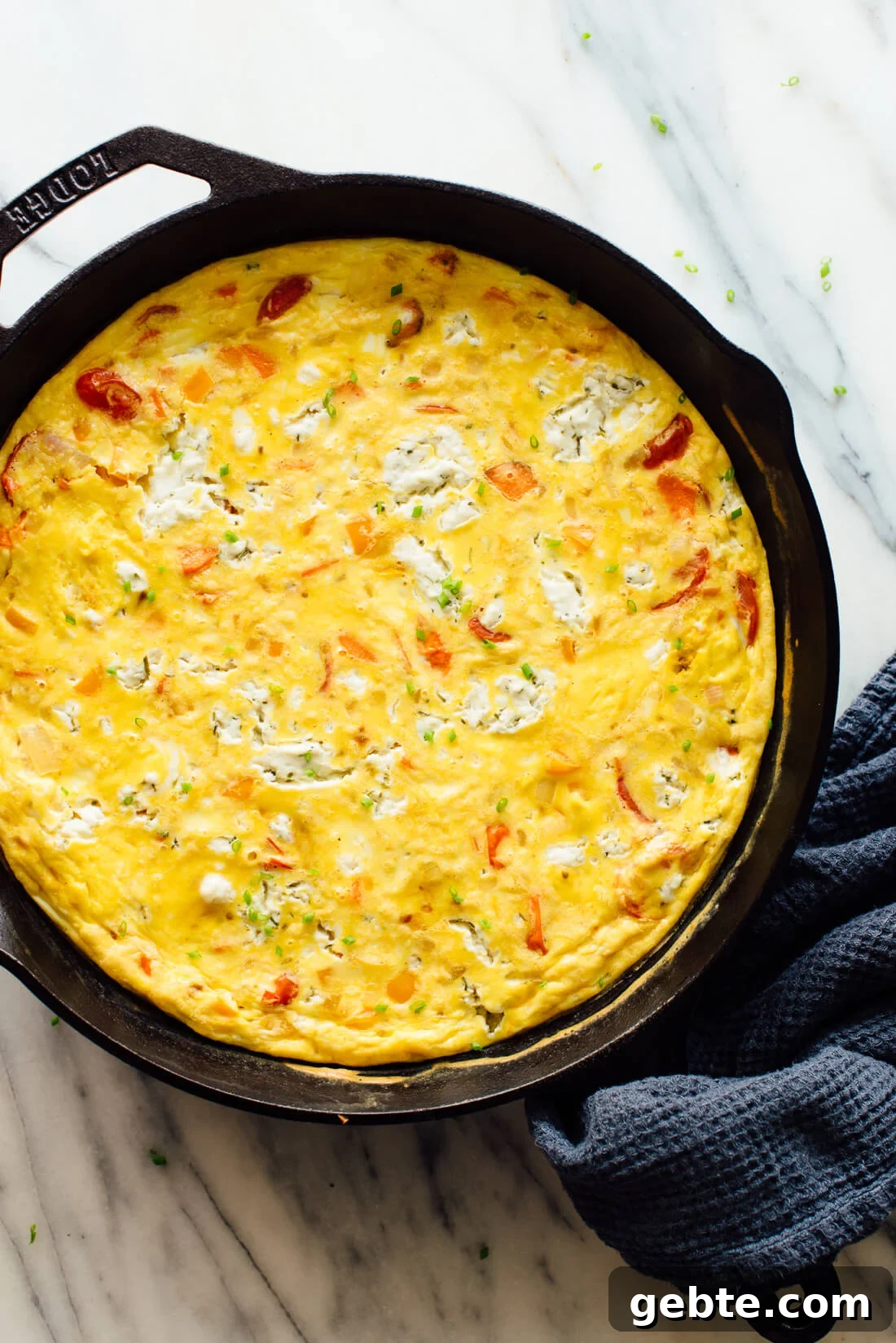
Have you ever had an amazing frittata? A perfect frittata is creamy, custardy, and packed with vegetables — not dry, sponge-like, or bland.
Frittatas are ideal for cleaning out the fridge on a weeknight or for a relaxed weekend brunch. They travel well, so slices are great for picnics or packed lunches. Leftovers are versatile: use a slice in a sandwich, or break it up for quick breakfast tacos.
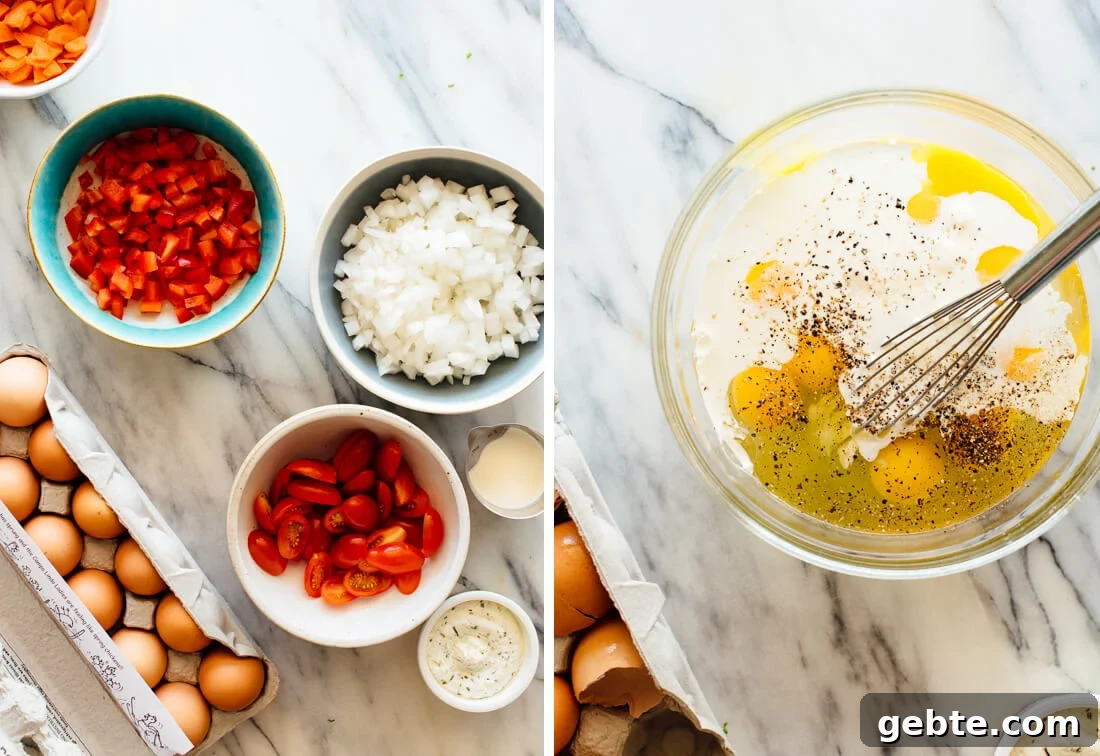
Frittatas can seem intimidating, but they’re easy once you know the basics. This guide explains how to make a reliably tender, well-textured frittata every time. After comparing methods from several trusted sources, I refined a straightforward approach that combines the best techniques.
Traditional Frittatas vs. Baked Frittatas
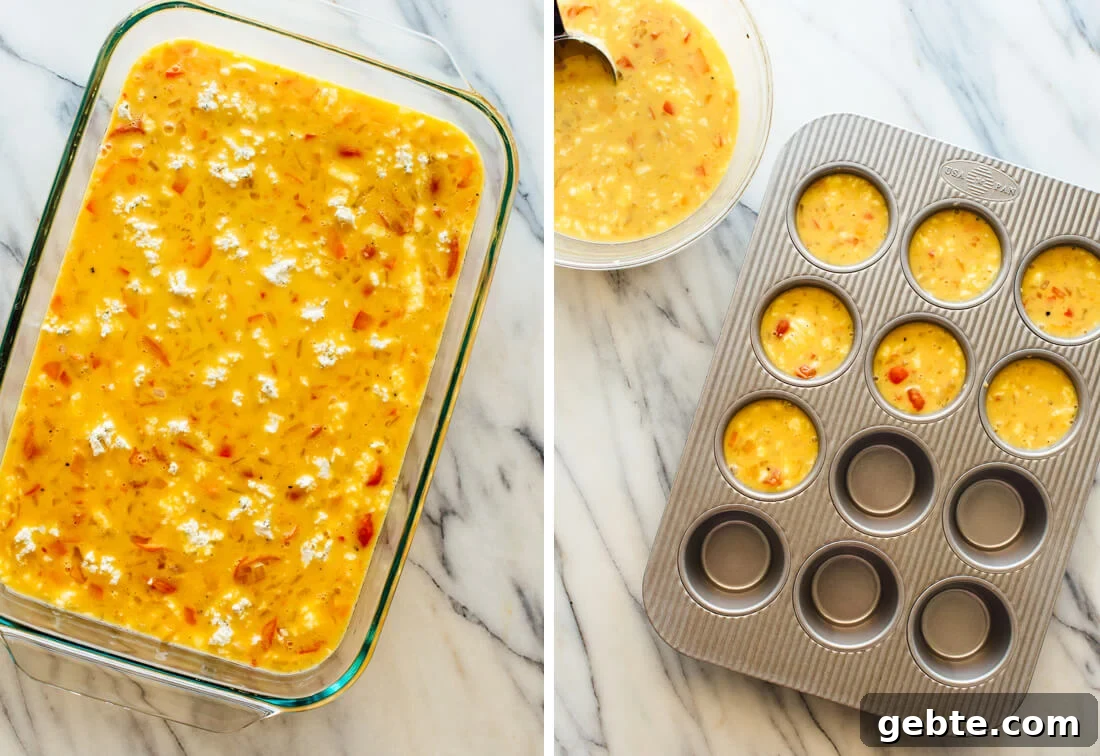
This post covers the classic stovetop-to-oven skillet method as well as baked versions made in a casserole dish or muffin tin. For the stovetop method I recommend a moderate oven temperature (not the broiler) and placing the pan on the middle rack so you can watch the frittata finish evenly. The baked options are more hands-off and excellent for make-ahead meals or when the stove is in use for other dishes.
Both methods produce delicious results; choose the one that fits your needs and equipment.
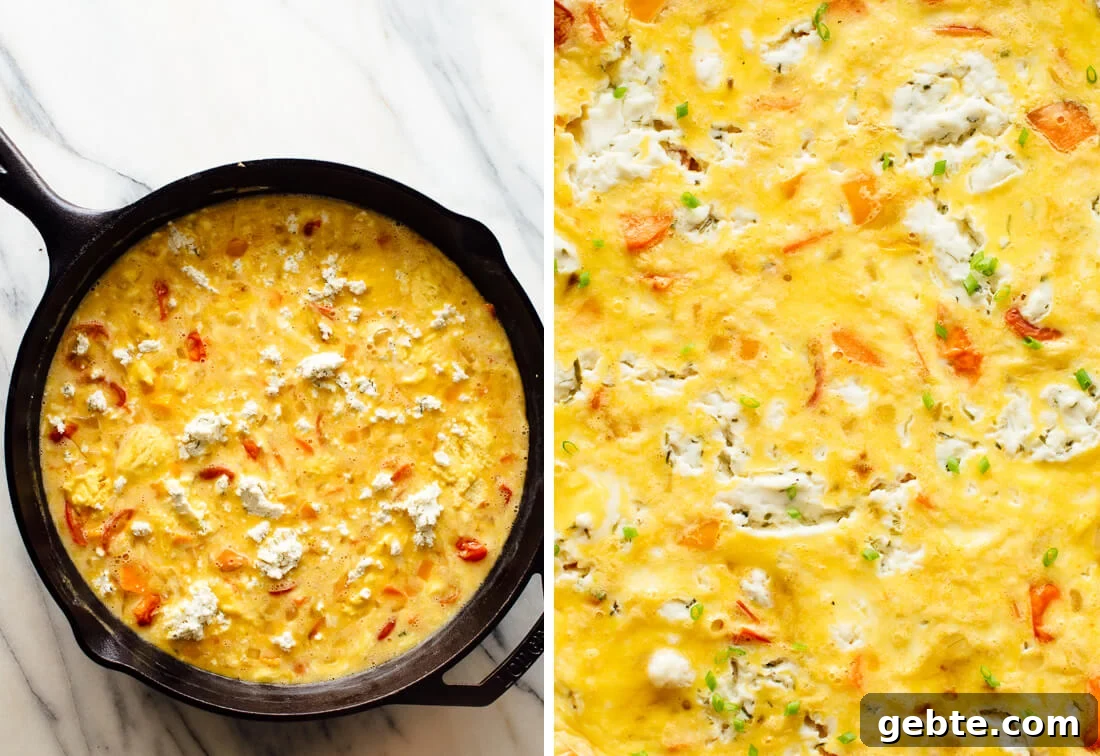
Basic Frittata Formula
- 12 eggs, whisked only until combined
- 3 tablespoons full-fat dairy
- 3 cups cooked, seasoned vegetables or other add-ins
- 1 cup (4 ounces) grated or crumbled cheese
- 1/2 teaspoon salt
Recommended Flavor Combinations
- Spinach, artichoke, and feta
- Broccoli, cheddar, and green onion
- Cremini mushrooms, arugula, and goat cheese
- Cherry tomatoes, zucchini, mozzarella, and basil
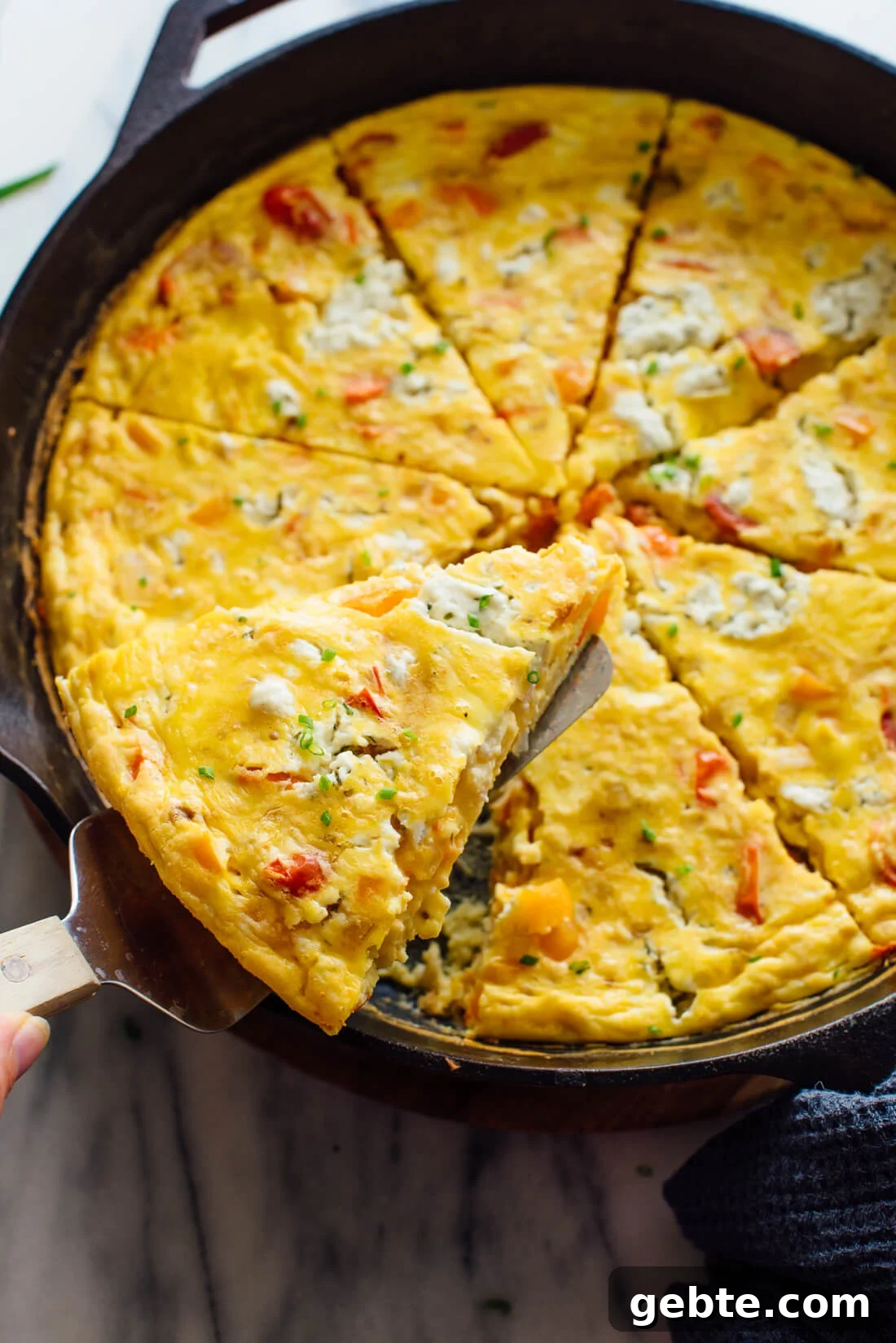
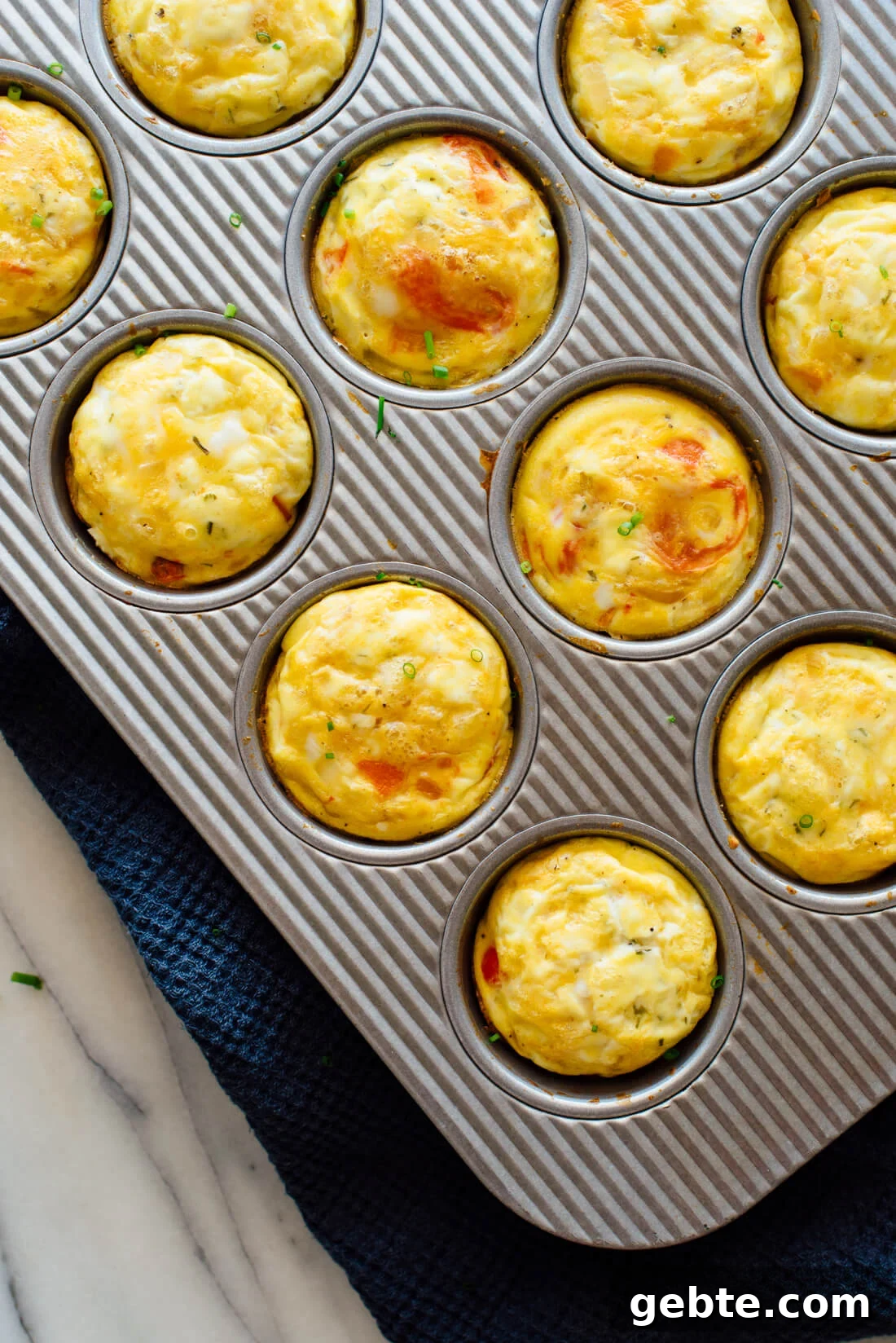
- Yellow onion, carrot, bell pepper, goat cheese, and chives (pictured)
General Frittata Tips
Dairy options
Use full-fat dairy. Heavy cream, half-and-half, whole milk, sour cream, crème fraîche, or yogurt all contribute creaminess. Low-fat or skim milk is too watery, and omitting dairy yields a firmer, more egg-forward texture. I prefer the smaller amount of dairy (3 tablespoons) for a custardy but not overly wet frittata.
Pre-cook your vegetables and use plenty
Cook vegetables before adding the eggs. Raw vegetables release water and won’t finish cooking by the time the eggs are set. Sauté, roast, or steam vegetables until tender and well seasoned. A large frittata made with a dozen eggs can hold up to three cups of cooked vegetables, so plan for more than that in raw volume.
Cheese is a great addition
Cheese adds flavor and creaminess. Soft cheeses like goat cheese, sharp cheddar, and Parmesan all work well. You can stir up to one cup of cheese into the eggs or reserve some for topping. Unlike casseroles, you don’t want a deeply browned top on a frittata — aim for set, not overbrowned.
Don’t overcook your frittata
Watch it closely as it finishes in the oven. Remove the frittata when the eggs are puffed, opaque, and the center still jiggles slightly. Residual heat will finish the cooking; overcooked eggs become dry and sulfurous.

Frittata Notes
How to scale this recipe
The full recipe uses twelve eggs. You can halve the amounts for a smaller skillet or pan; smaller frittatas will finish faster, so monitor them closely. I don’t recommend reducing the recipe by more than half since frittatas are naturally a large-batch dish.
Recommended pans
For the stovetop-to-oven method, use a well-seasoned cast iron skillet or an oven-safe nonstick skillet. For baked versions, grease a casserole dish well or oil a muffin tin to prevent sticking.
What to serve with frittatas
Frittatas are versatile: serve them as the main for any meal or as a side in a larger breakfast spread. Complement them with a simple green salad, roasted breakfast potatoes or hash browns, and toasted whole-grain bread.
Garnishes and toppings
Finish with fresh herbs like basil, parsley, or chives for color and brightness. For a little extra richness, top slices with pesto or a light drizzle of balsamic glaze. For Southwestern flavors, try hot sauce or warmed salsa.
Watch How to Make Frittatas
How to Make Frittatas (Stovetop or Baked)
This guide shows how to make one large frittata or about 18 mini frittatas (roughly 8 servings). If you’re using leftover cooked vegetables for the stovetop method, simply warm them in the skillet before adding the eggs.
Ingredients
- 12 eggs
- 3 tablespoons full-fat dairy (heavy cream, half-and-half, whole milk, sour cream, crème fraîche, or yogurt)
- ½ teaspoon salt
- 1 cup (4 ounces) grated or crumbled cheese
- 3 to 5 cups chopped vegetables or greens of choice (or up to 3 cups leftover cooked vegetables)
- 1 tablespoon olive oil
- Garnish: chopped or torn fresh leafy herbs (basil, parsley, cilantro, or dill)
Instructions
- Preheat the oven to 425°F for the stovetop method, or 350°F for baked casserole or mini frittatas.
- Crack the eggs into a medium bowl. Add your dairy and the salt. Whisk until yolks and whites are blended. Stir in all or half of the cheese (reserve some for topping if you like). Set aside.
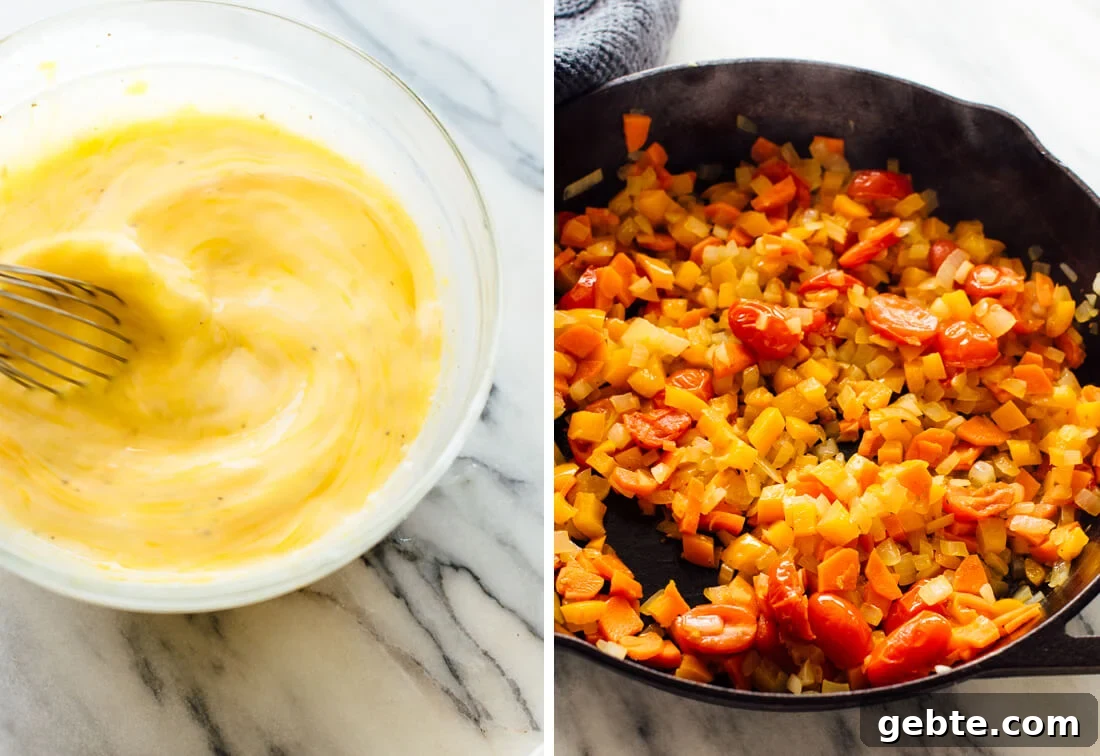
- In a 12-inch cast iron or oven-safe skillet, warm the olive oil over medium heat until shimmering. Add dense vegetables first (onions, carrots), cook a few minutes, then add softer vegetables (zucchini, peppers). Finish with garlic and greens, cooking until fragrant or wilted. Season to taste.
- Traditional stovetop option: Whisk the eggs again and pour over the vegetables. Stir briefly to combine and distribute. Sprinkle reserved cheese on top if using.
- Once the outer edge lightens in color (30 seconds to 1 minute), transfer the skillet to the oven. Bake 7–14 minutes, watching closely, until eggs are puffed and opaque and the center jiggles slightly. Remove and let rest on a cooling rack, then garnish, slice, and serve.
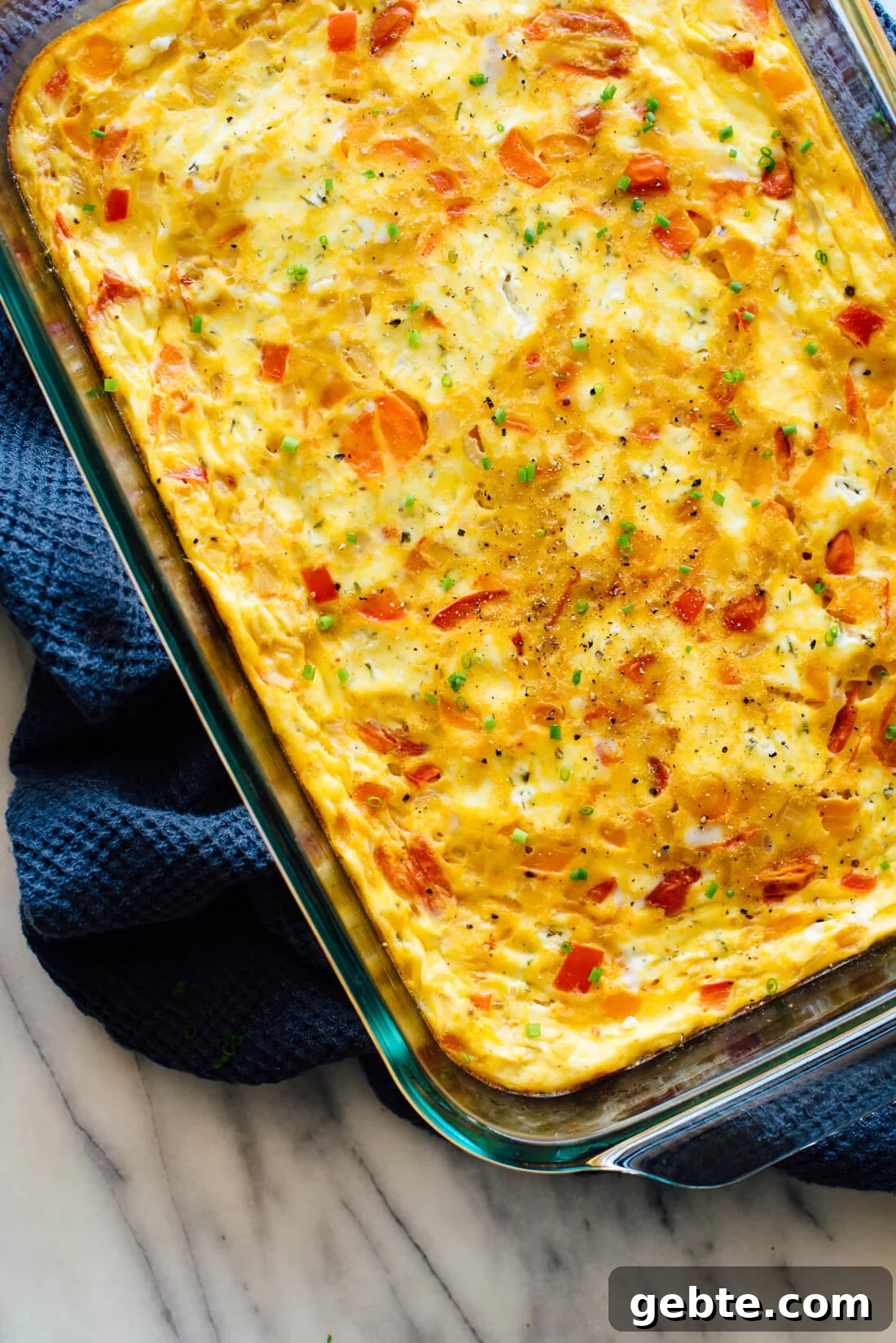
- Baked casserole option: Let cooked vegetables cool slightly. Grease a 9×13-inch pan. Stir veggies into the egg mixture and pour into the pan. Top with reserved cheese if desired.
- Bake 20–25 minutes until set and slightly jiggly in the center. Remove, cool on a rack, garnish, slice, and serve.
- Baked mini frittata option: Let cooked vegetables cool, fold into the egg mixture, and grease 18 muffin cups. Fill each with a scant 1/3 cup of mixture and top with reserved cheese if desired.
- Bake 13–17 minutes until puffed and set with a slight jiggle. Remove, cool briefly, garnish, and serve.
Notes
- Category: Breakfast
- Method: Varies
- Cuisine: Italian