
If you love space, don’t miss the chance to view comet C/2020 F3 (NEOWISE). Currently visible in the morning sky, the comet will soon be easier to spot at dusk, offering more convenient viewing for many observers.
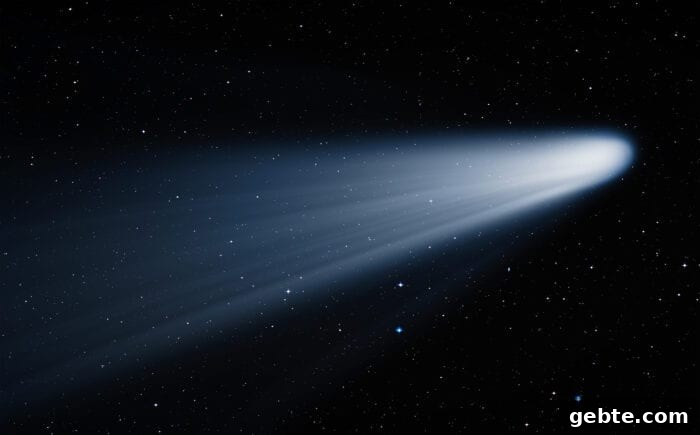
NEOWISE was discovered on March 27, 2020, by the NEOWISE mission (Near-Earth Object Wide-field Infrared Survey Explorer), a NASA space telescope launched in 2009. Since its discovery the comet has brightened enough to be visible to the unaided eye under suitable conditions.
At present, the comet appears low on the north-northeast horizon shortly before dawn. As it brightens and changes position in the sky, viewing opportunities will improve for observers who plan their sessions around twilight and clear skies.
Between July 12 and July 15 the comet will become visible after sunset, appearing low on the northwest horizon at dusk. This shift from morning to evening viewing makes it easier for many people to see the comet without getting up before dawn.
Avoid areas with heavy light pollution such as brightly lit cities; darker skies will make the comet far easier to spot. Seek out elevated locations or open fields with clear views of the horizon for the best results.
Binoculars or a small telescope will enhance your view, though the comet is bright enough to be seen with the naked eye under dark skies. If you plan to photograph it, bring a sturdy tripod, a wide-angle lens and experiment with long exposures to capture the tail and surrounding starfield.
To locate NEOWISE, start by finding Venus, then look to the left where the bright star Capella will help guide you. Right now the comet sits below Capella during dawn; when it moves into the evening sky you’ll find it to the left of Capella near the northwest horizon.
Check weather forecasts and moon phase before heading out, and give your eyes about 15–20 minutes to adapt to the dark for the best chance of spotting the comet. Enjoy the view, and consider sharing your images or observations with local astronomy groups or online communities.