If your goal is stronger, more balanced legs, adding split squats to your training routine can deliver excellent results.
Below are four effective split squat variations you can use to build strength, muscle, and stability in the lower body.
What is a Split Squat?
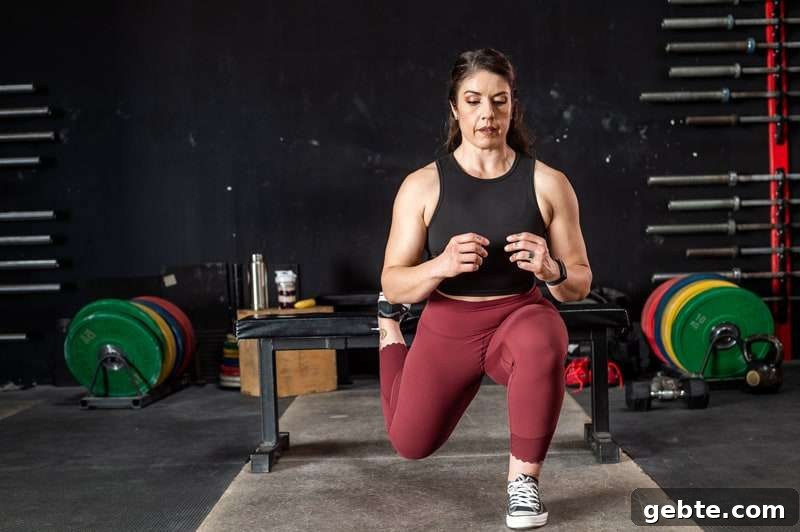
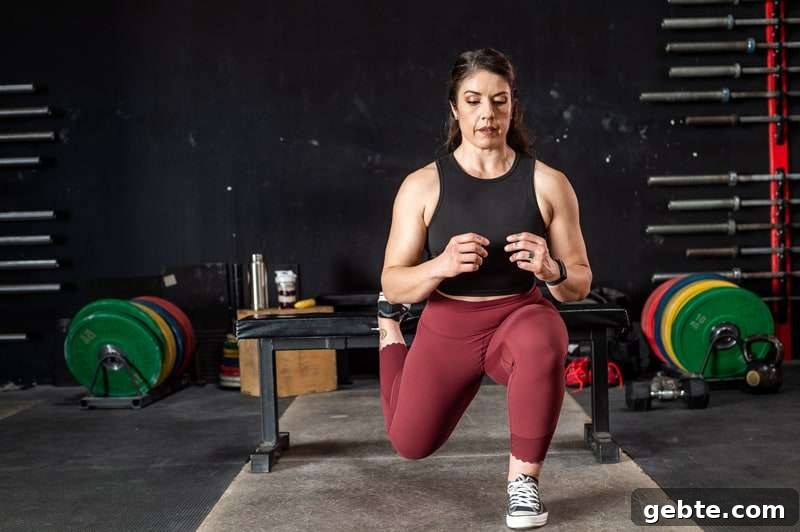
A split squat is a unilateral lower-body exercise where you lower your body toward the floor and then return to standing while one foot is positioned forward and the other is set back in a staggered stance. Unlike a regular bilateral squat with feet side-by-side, split squats put more load on the front leg, making them an excellent single-leg strength builder.
You can perform split squats with both feet on the floor or with the rear foot elevated—each setup changes the emphasis and challenge. Details on those choices are included below.
Benefits of Split Squats
Split squats improve strength, hypertrophy, and stability in the lower body. They target the quadriceps, glutes, and hamstrings while also recruiting the core to help maintain balance. Because they work one leg at a time, split squats are particularly useful for correcting left-right strength imbalances. Compared to bilateral squats, they typically place less stress on the lower back while still delivering a strong quad and glute stimulus.
How to Do a Split Squat
Follow these steps to establish solid split squat form:
- Stand with feet roughly hip-width apart.
- Step forward with one foot, creating a staggered stance.
- Keep the front heel down and distribute weight across the whole front foot; lift the back heel.
- Brace your core and allow a slight forward lean of the torso to maintain balance and alignment.
- Position your hands on your hips or at your sides for stability, or hold weights when ready.
- Lower slowly by bending the front knee and hip until the front thigh is roughly parallel to the floor.
- Drive through the front foot to return to the start position, using the front leg to lift the body.
For general strength and muscle growth, aim for 3–4 sets of 8–12 repetitions per leg, adjusting reps and load according to your goals.
4 Split Squat Variations to Try
#1 Split Squat with Support
Use a broom handle, chair, or wall for light support while you learn the movement. If you feel unstable, check your stance: feet should be roughly hip-width apart or slightly wider to create a solid base. This makes it easier to balance and establish proper mechanics.
#2 Split Squat without Support
Once comfortable, remove the support and perform the split squat free-standing. Hands can rest on the hips or hang at the sides. Add dumbbells or kettlebells when you’ve mastered the technique and want to increase load.
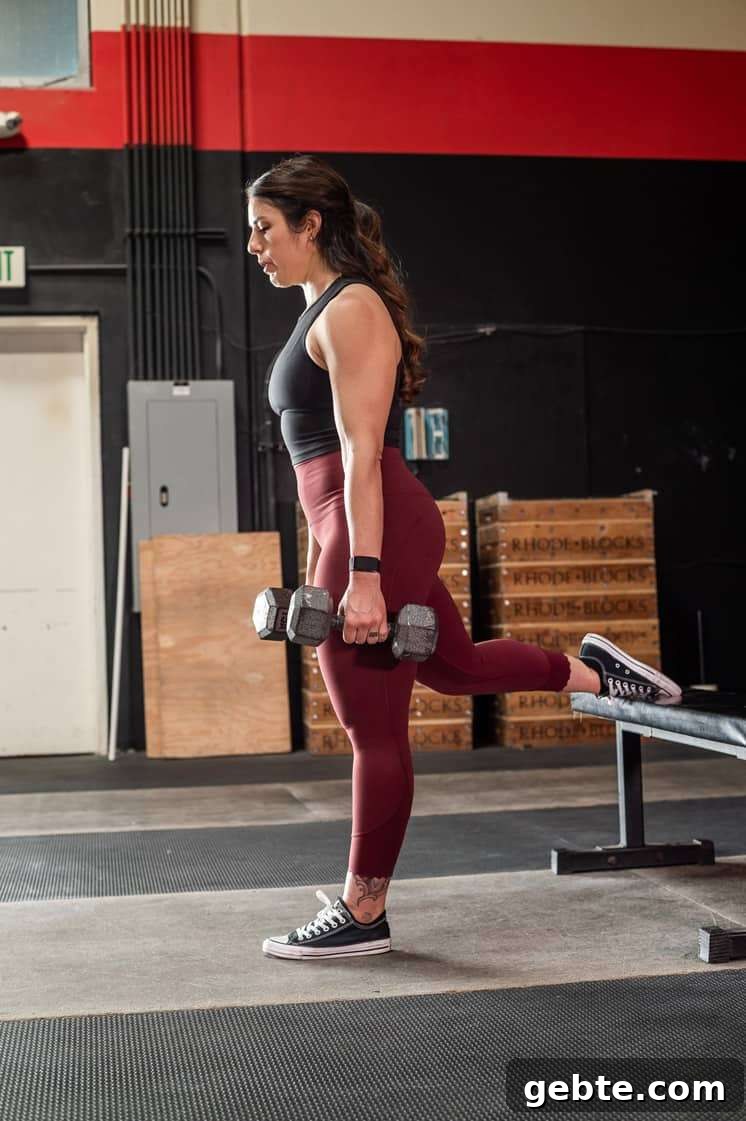
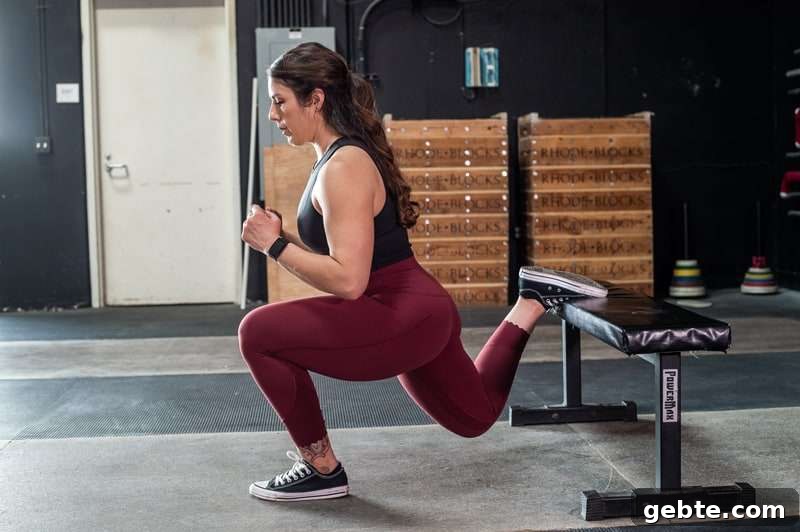
#3 Rear Foot Elevated Split Squat (Bulgarian Split Squat)
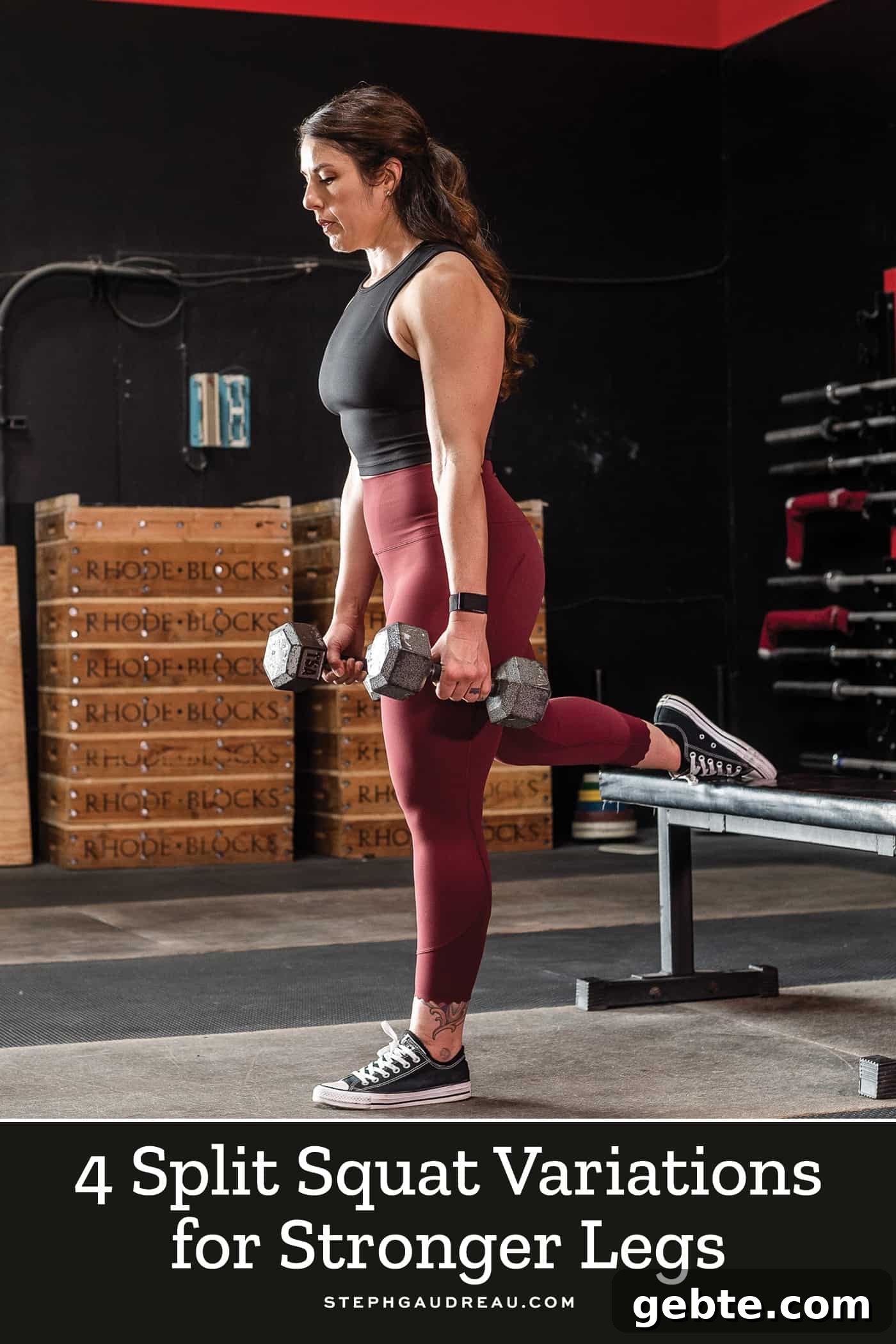
Elevating the rear foot increases the demand on the front leg—especially the quads, hamstrings, and glutes—by shifting your center of mass forward. Set the rear foot on a bench or similar surface about knee height or lower. This variation is more challenging and also tests hip mobility and control.
#4 Elevated Front-Side Split Squat
In this version (front foot elevated relative to the back), the center of mass shifts slightly backward compared to the classic rear-elevated variation. Your torso will remain more upright, and the back leg should remain as straight as flexibility allows while the front leg drives the movement. This places a slightly different emphasis on the muscles and can be used to vary stimulus and range of motion.
Other Ways to Modify Split Squats
Add Weight
After mastering form, increase intensity by holding dumbbells or a kettlebell, using a resistance band, or—when you’re ready—placing a barbell in a front- or back-racked position. To further challenge stability, try loading only one side with a single weight.
Increase Balance Demand
For more advanced balance work, place the rear foot on an unstable surface such as a Swiss ball or in a TRX strap. This forces greater control from the front leg and core throughout the movement.
Common Issues and Fixes
Feeling It Too Much in the Back Leg
If the back leg feels overly stressed or tight, your front foot is likely too far forward. Bring the front foot closer to your body so the front leg carries the primary load.
Pressure in the Low Back
If you feel lower back pressure—especially in rear-elevated variations—try a slight forward lean so that, at the bottom of the movement, your shoulders, hips, and front knee form a straight line. That alignment reduces lumbar strain and places the emphasis on the hip and quad musculature.
Losing Balance or Tipping Over
Unsteady performance is common with unilateral work. Make sure your stance provides a stable base by maintaining hip-width or slightly wider foot placement. Regress to a supported split squat until balance improves.
How Split Squats Differ from Lunges
Split squats and lunges look similar but differ in execution and emphasis. Split squats keep the feet in a fixed staggered position so the front leg carries more load and each repetition is focused on lifting and lowering. Lunges involve stepping forward, backward, or to the side each rep, which requires additional coordination and dynamic balance. Many people find split squats easier to control and a better option when stability or technique with lunges is a challenge.
Alternatives to Split Squats
If split squats don’t match your current goals or ability, choose alternatives that address the same movement patterns. For beginners, bilateral options like bodyweight or goblet squats are excellent. Other single-leg choices include step-ups and pistol or single-leg box squats. Pick the variation that fits your strength, mobility, and balance level.
Now you have clear options and modifications to incorporate split squats into your program depending on your level and goals. Which variation will you try first?
Looking for a Simple but Effective Lifting Program?
If you prefer efficient strength sessions of 30 minutes or less, 2–3 times per week, consider a program centered on the five primary movement patterns: squat, hinge, push, pull, and carry. A focused routine like that can help you build strength consistently while keeping workouts manageable.