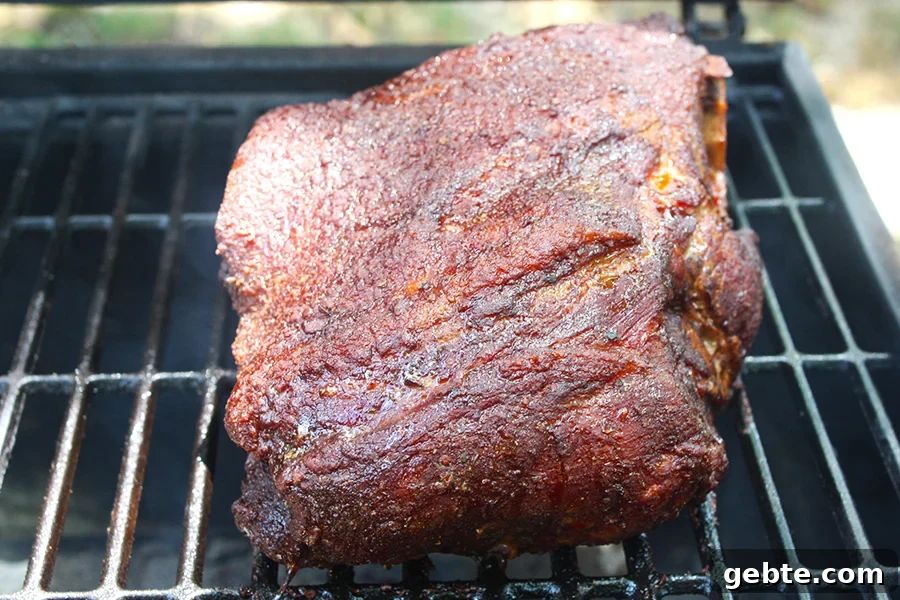
One of the simplest and most satisfying dishes to make is a smoked pork shoulder, often called a pork butt. The combination of low-and-slow cooking, smoke, and a well-balanced rub yields tender, flavorful pulled pork that’s hard to beat.
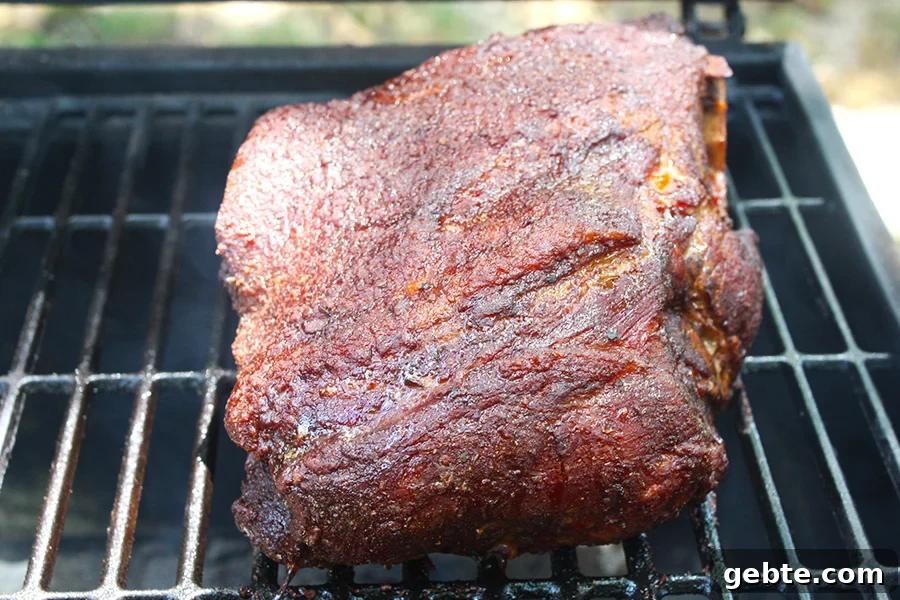
Why This Pork Butt Recipe Works
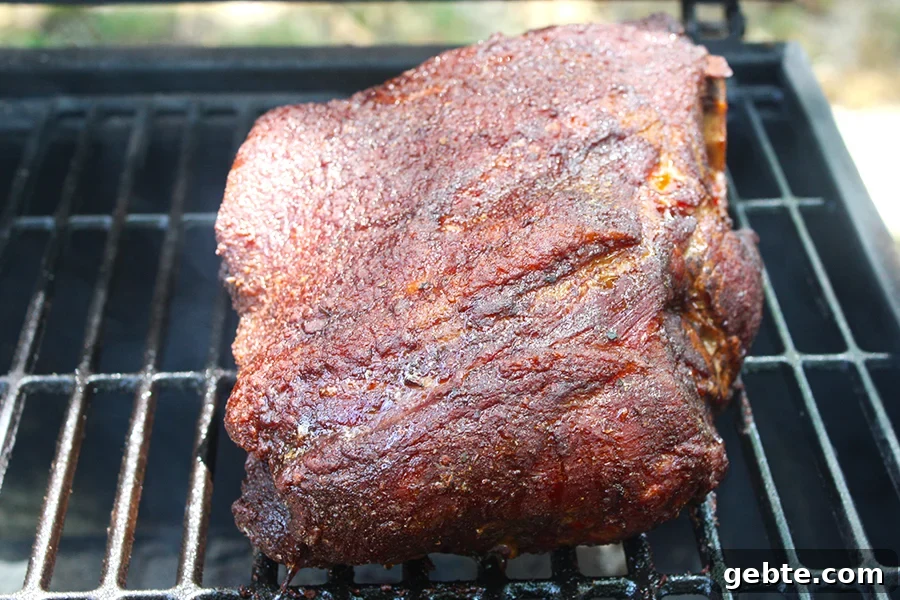
Smoked pork butt is a backyard barbecue staple for a reason. The long, slow cook allows smoke and a spice rub to penetrate the meat while breaking down connective tissue so the pork becomes fall-apart tender. When done right you get pronounced smoke flavor, a deep smoke ring, and a crusty, delicious bark.
After many cooks, this method reliably produces fantastic results. If you want to impress friends or family, this smoked pulled pork is a crowd-pleaser—and worth the time and effort.
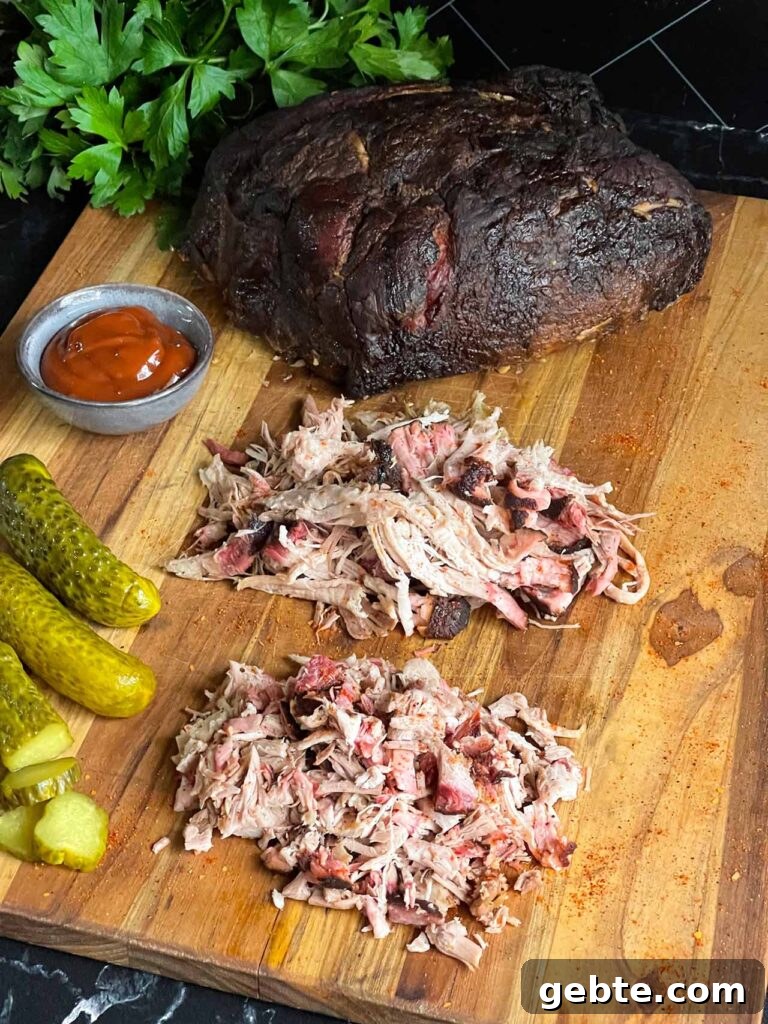
I’ve had people tell me repeatedly that this is the best smoked pork shoulder they’ve ever tasted. That kind of feedback makes waking up early to start the smoker completely worth it.
What’s the Trick? Brine or Inject the Pork Shoulder
The real key is moisture. A long, slow cook can dry meat out unless you take steps to retain or add moisture. Brining or injecting the pork shoulder keeps it juicy throughout the cooking process. If you’ve never brined a pork shoulder before, it’s a game changer.
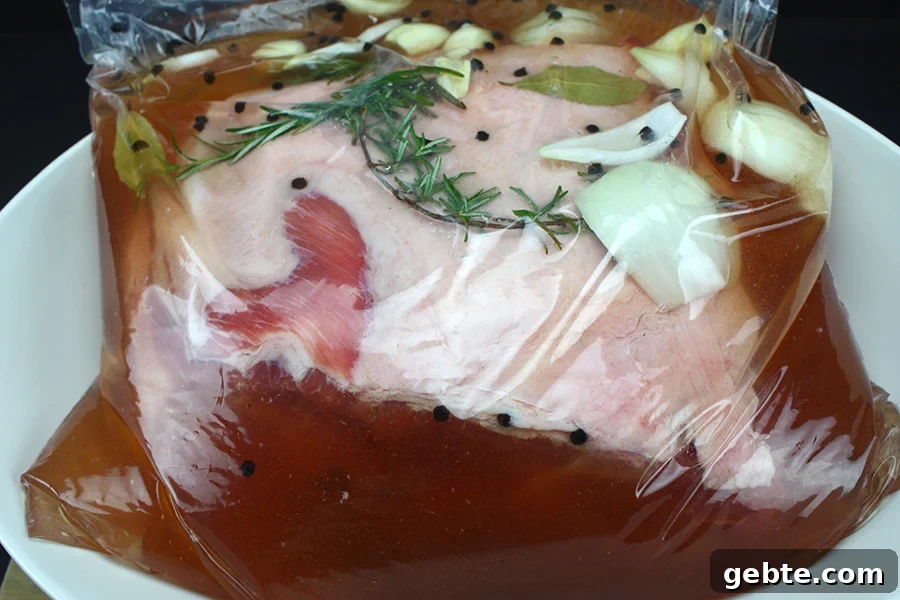
Brining helps the meat retain moisture and yields a superior bark and tender, shreddable pork at the end. The process is simple and pays off in texture and flavor.
Rub Ingredients For The Smoked Pork Butt
A good Memphis-style dry rub works beautifully on pork. It builds flavor and forms a tasty crust during smoking. Below are the components I use in my rub:
- Paprika – The backbone of a Memphis-style rub
- Smoked paprika – Deepens the smoky character
- Garlic powder – Adds savory depth
- Chili powder – Classic barbecue spice
- Kosher salt – Essential seasoning
- Black pepper – Adds bite
- Onion powder – Fills out the flavor
- Brown sugar – A touch of sweetness and molasses notes
- Dried oregano – Herbal brightness
- Cumin – Earthy, smoky undertones
- Dry mustard – A subtle tang
- Cayenne powder – Optional heat to taste
Combine the ingredients in a bowl and mix thoroughly. Brown sugar contributes molasses complexity, but white sugar can be used if preferred.
How To Smoke a Pork Shoulder (Pork Butt)
Plan ahead: for a late-afternoon meal, start the process a day or two earlier.
Step 1 – Brine or inject: I typically brine the meat for 18–24 hours. After brining, remove the pork and let it rest for an hour or two to allow excess brine to drain and the surface to dry a bit.
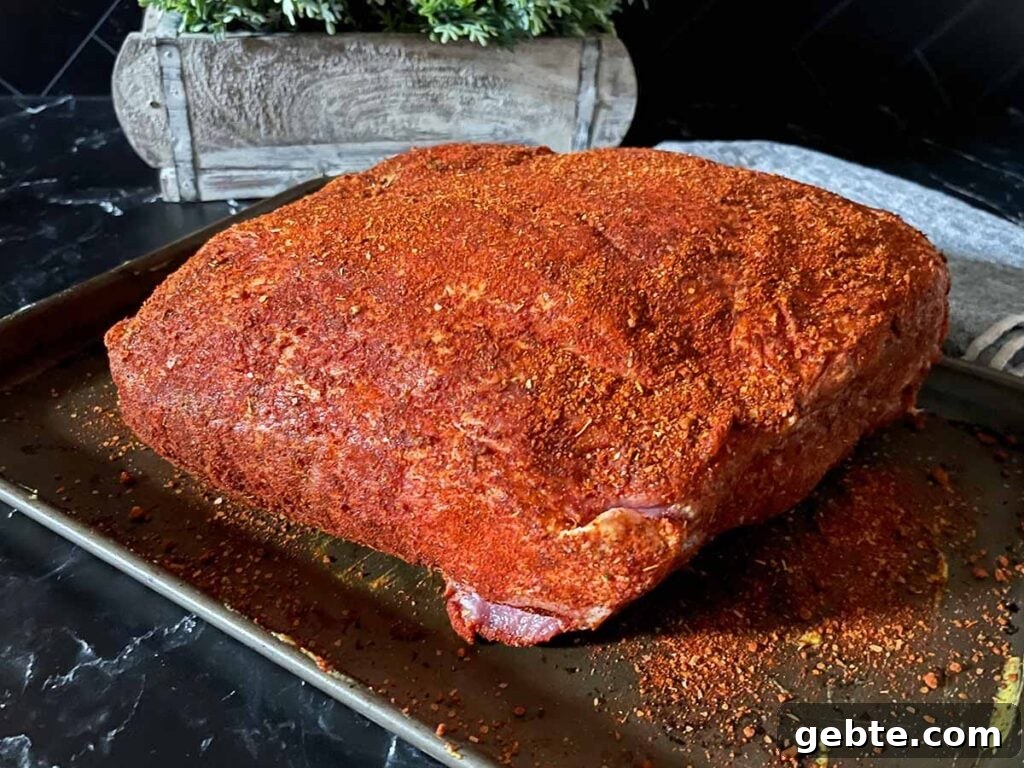
Step 2 – Bind and rub: Pat the shoulder dry, coat it lightly with yellow mustard to help the rub adhere, then apply a generous amount of the dry rub. Wrap and refrigerate overnight for the rub to settle in. The mustard helps the rub stick and brings a bit of acidity that aids the cooking process.
Trim excess fat if the fat cap is overly thick. The smoke and rub won’t penetrate a very thick layer of fat.
Step 3 – Smoking temperature: Aim for a smoker/ grill temperature of 225–250°F. An 8-pound pork shoulder typically requires about 12 hours at that range. For an offset smoker it can take longer to stabilize the temperature; pellet and gravity-fed smokers usually regulate smoke and heat more consistently.
About the Wood
Use dry wood—don’t soak the chips. I prefer hickory or pecan for a robust smoke that stands up to pork, though apple or cherry woods add a fruitier sweetness. In an offset smoker, add chunks roughly every 45 minutes as needed to keep smoke rolling. Pellet and gravity-fed smokers handle this automatically.
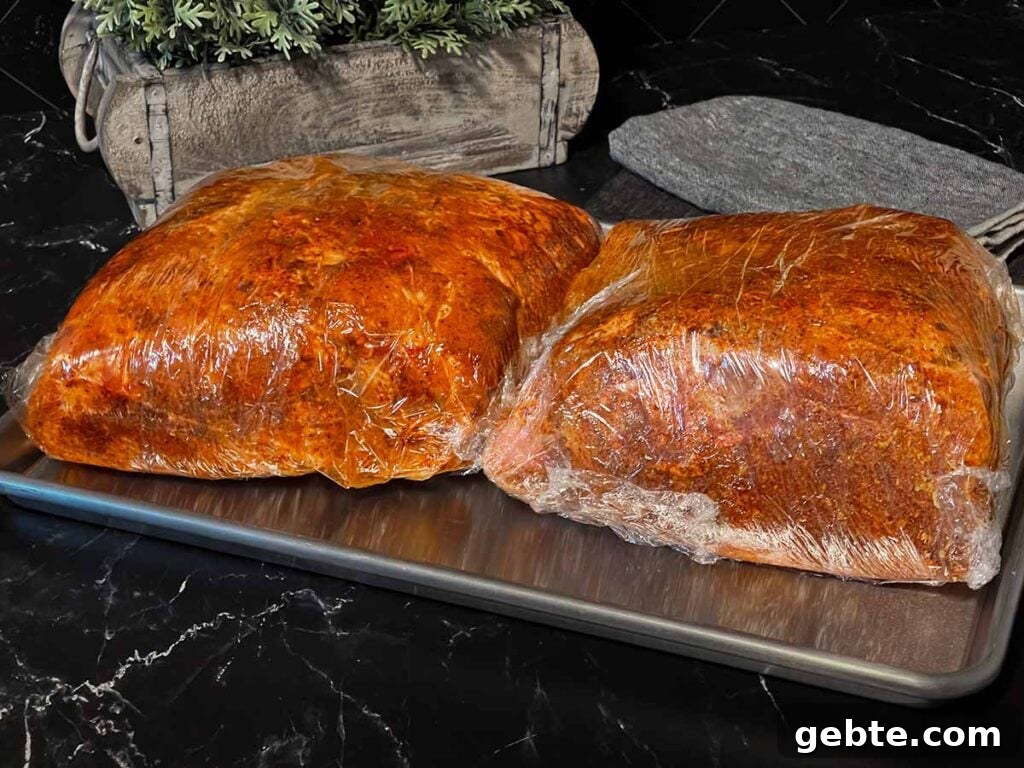
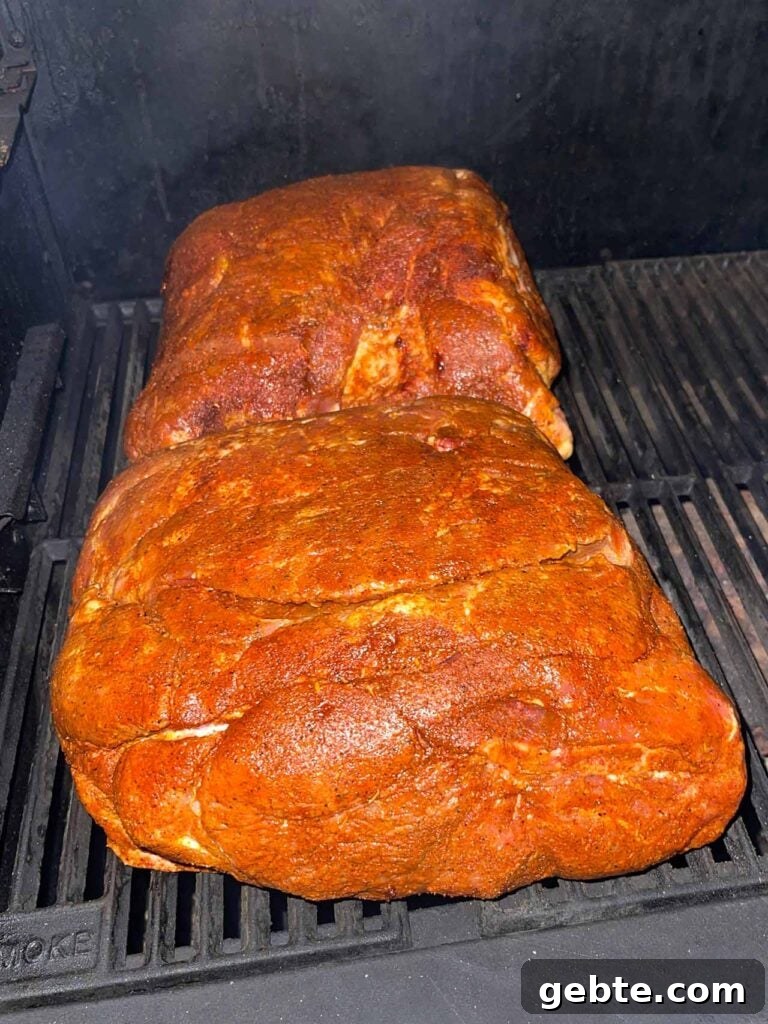
Place the pork on the smoker with the fat cap up if you want the fat to baste the meat, or fat side down if you prefer to protect the meat from direct heat—both methods work. Smoke for approximately six hours, maintaining 225–250°F, and monitor fuel and wood as needed.
If you didn’t brine, spritz the meat occasionally with a 50/50 mix of apple cider vinegar and water to help keep it moist.
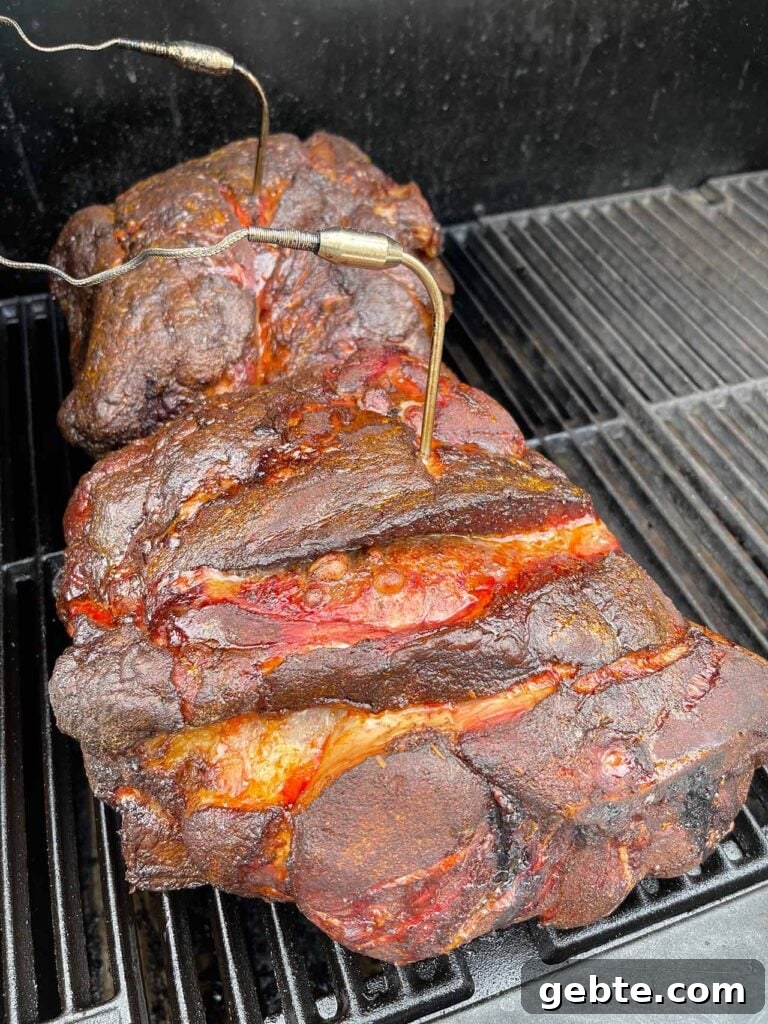
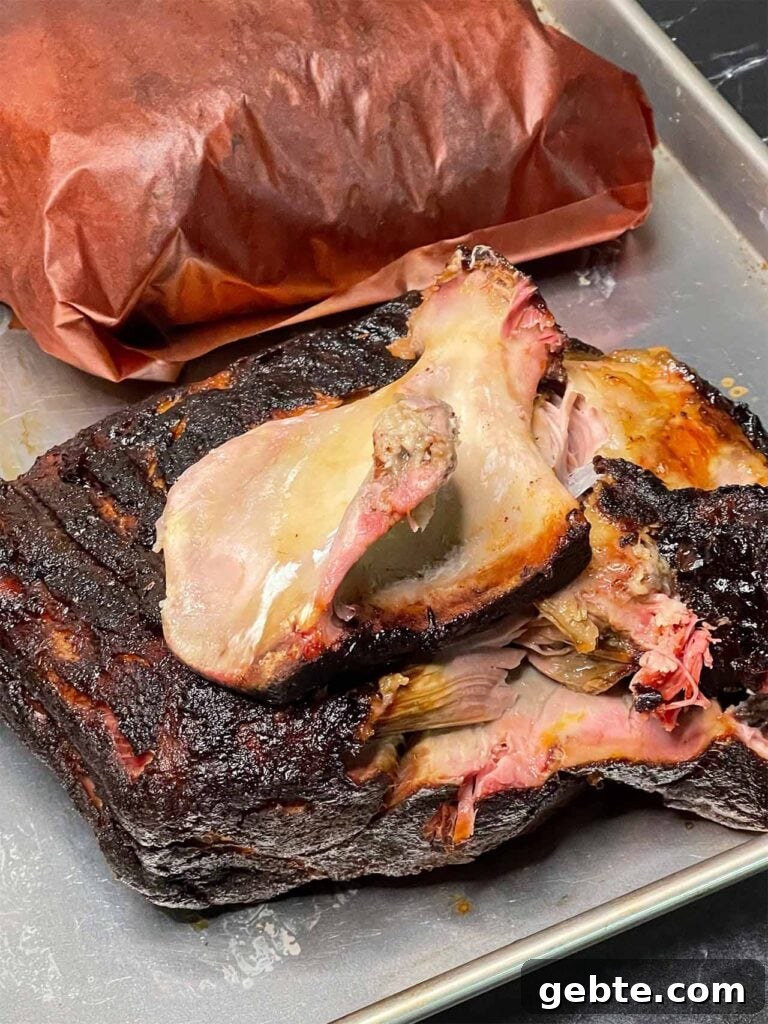
After six hours, remove the shoulder and wrap it in butcher paper (or foil if you prefer). Butcher paper lets some moisture escape so the meat won’t stew, while foil retains more moisture. Return the wrapped shoulder to the smoker and continue until the internal temperature reaches 195°F (you will often see connective tissue begin to break down around 180°F).
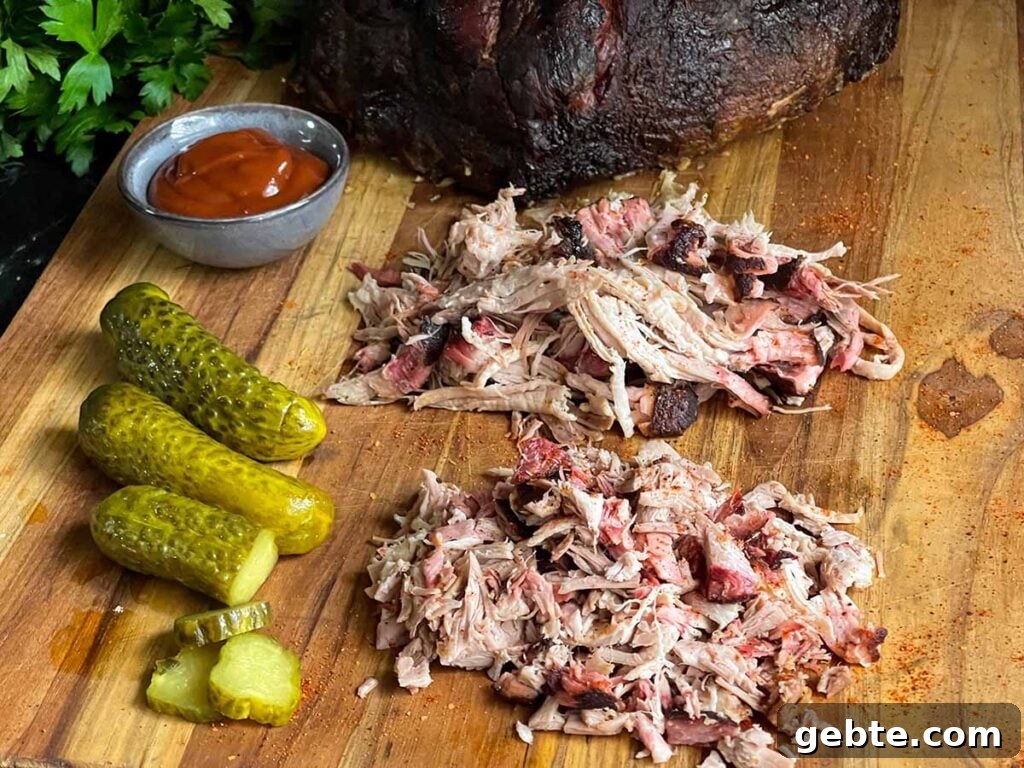
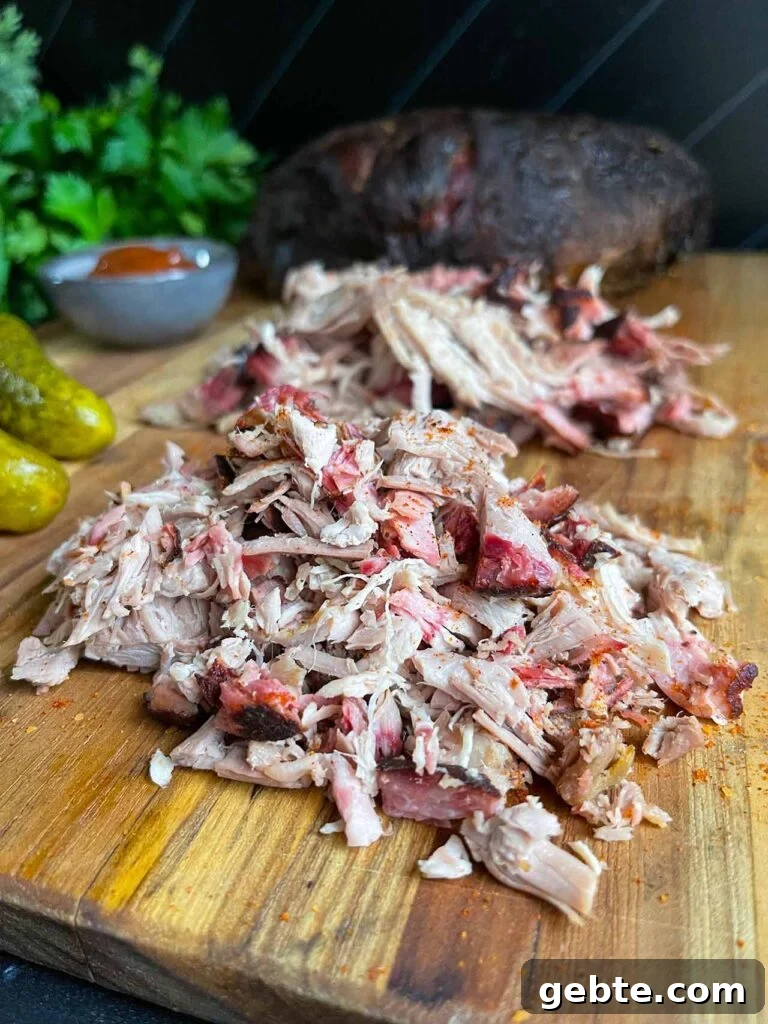
When the pork hits about 195°F, pull it and let it rest for at least an hour, ideally 90–120 minutes. Resting lets the juices redistribute and makes shredding easier. After resting, place the pork in a pan, remove the shoulder bone easily by hand, then shred or chop the meat with forks, claws, or a cleaver.
Serve as sandwiches with pickles and chow chow, topped with your favorite barbecue sauce, or enjoy on its own. Pulled, chopped, or shredded—this pork works in many formats.
Pro Tips
Here are practical tips from repeated cooks:
Temperature is key, not time
Smoking times vary with size, weather, and equipment. Use internal temperature, not clock time, as your guide. The pork becomes tender as collagen breaks down—around 180°F it begins to soften, and by 195°F it’s reliably fork-tender. I generally pull at 195°F for ideal texture.
A probe or instant-read thermometer is essential; I often use a remote monitor to track temps while I sleep or run errands.
Wood matters
Choose wood based on the flavor intensity you want. Hickory gives an assertive, traditional southern smoke; pecan is slightly milder; apple and cherry add fruity sweetness. Use what you enjoy, but for classic southern pulled pork, hickory is a great choice.
The Stall
Expect the “stall” between roughly 150–170°F, when the meat temperature can hang due to evaporative cooling. Wrapping in foil or butcher paper (the Texas crutch) will push you through the stall more quickly. If you prefer not to wrap, increasing pit temperature slightly will also help.
Wrapping or not
Wrapping controls smoke exposure and helps move past the stall. Butcher paper preserves more of the bark while still helping through the stall. If you want heavier smoke, wrap later; for less smoke, wrap earlier.
Make ahead
You can smoke the pork a day in advance. Shred it, reserve the juices, store in foil pans, and refrigerate. Reheat next day at 225°F until hot (about 30–40 minutes) before serving.
FAQ
An 8 lb pork shoulder typically takes around 12 hours at 225–250°F, but variations in size and conditions mean you should go by internal temperature rather than time.
Rest for at least an hour; 90 minutes to two hours is preferable to let the juices redistribute and the meat relax for easier shredding.
Aim for 195°F for reliably fork-tender pulled pork. The meat will begin to break down around 180°F, and 165°F is safe but not tender enough to pull apart.
Sides and Serving Suggestions
Great accompaniments include herb potato salad, classic barbecue baked beans, coleslaw, or pickles. Use your favorite barbecue sauce on sandwiches, or serve the pork plain to appreciate the smoke and rub.
Enjoy the process and happy grilling—the end result is worth the patience.
Smoked Pork Shoulder (Pork Butt) Recipe
Ingredients
- 8 Lb Pork Shoulder (Butt)
Memphis Dry Rub (makes ~1/2 cup)
- 1/2 cup paprika
- 1/4 cup chili powder
- 3 tbsp kosher salt
- 3 tbsp black pepper
- 3 tbsp brown sugar
- 2 tbsp smoked paprika
- 2 tbsp garlic powder
- 2 tbsp onion powder
- 1 tbsp dried oregano
- 1 tbsp cumin
- 2 tsp dry mustard
- 1 tsp cayenne pepper (optional)
Instructions
- Brine the pork shoulder for 18–24 hours (optional but recommended).
- Remove from brine and let rest for 1–2 hours to drain and dry slightly.
- Coat the entire surface with yellow mustard as a binder.
- Apply a generous amount of the dry rub, patting it into the meat.
- Wrap and refrigerate overnight so the rub adheres.
- Preheat your smoker to 225–250°F and smoke the shoulder for about 6 hours, maintaining temperature and smoke.
- Remove and wrap the shoulder in butcher paper or foil (if using foil, allow some venting so it doesn’t stew).
- Return to the smoker and continue cooking until the internal temperature reaches 195°F (expect a range of 190–200°F depending on desired texture).
- Remove and rest for 30 minutes to 2 hours, then shred or chop the pork and serve.
Notes
Prep time listed does not include brining time. The rub recipe makes enough for approximately four pork butts. Remember to smoke to internal temperature, not strictly by time—size, ambient temperature, and humidity affect cooking time.