
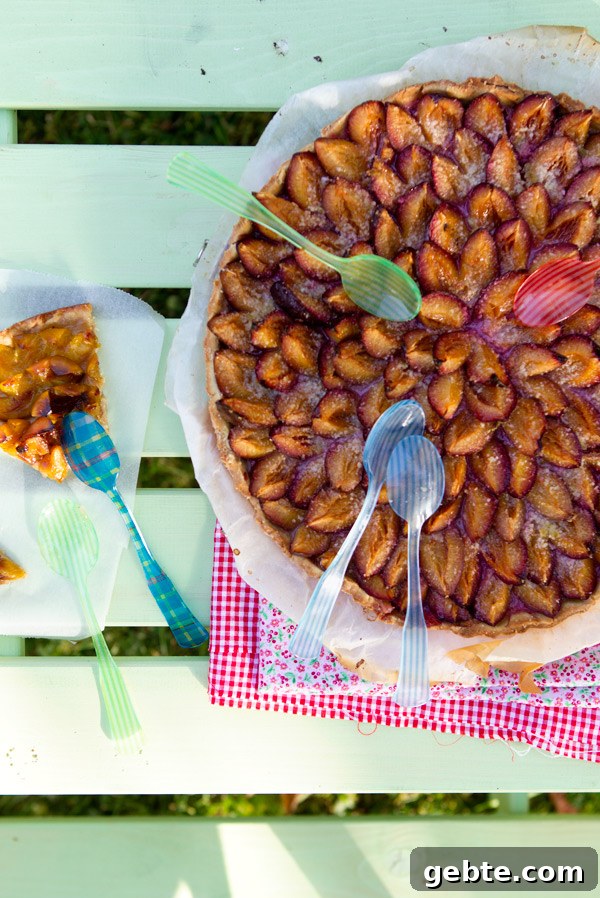
Spending the summer with my family in France meant a lot of baking, especially fruit tarts. That habit is rooted in my childhood. At this time of year, our local quetsches and mirabelles were abundant and perfectly ripe, so we took full advantage of them.
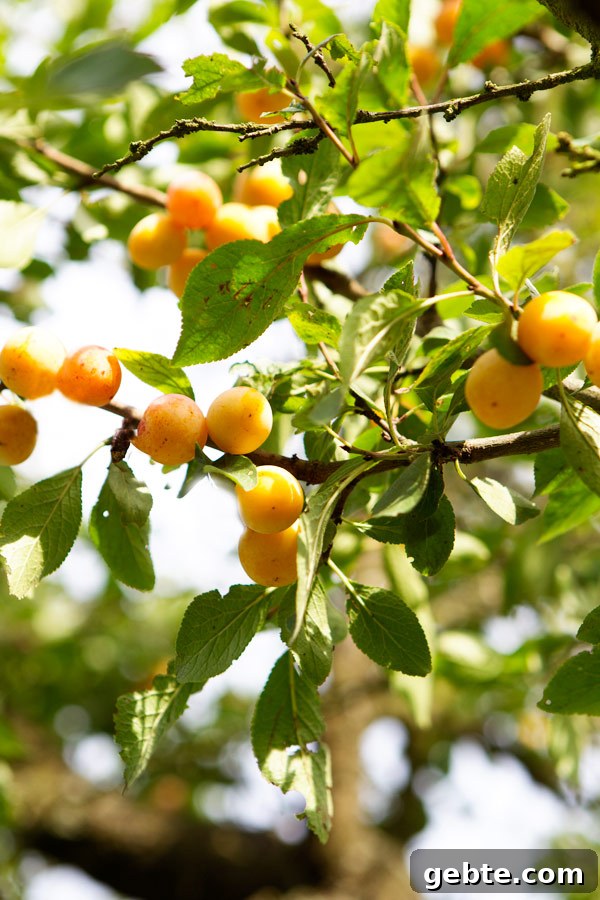
We baked with pleasure and in great quantities, filling the kitchen with the scent of pastry and ripe fruit. These small plums—quetsches, mirabelles, and the round Reine-Claude—are central to the taste of a French summer in Lorraine. For me, late August in Lorraine evokes harvested fields, hay bales, and the simple joy of shared meals and desserts.
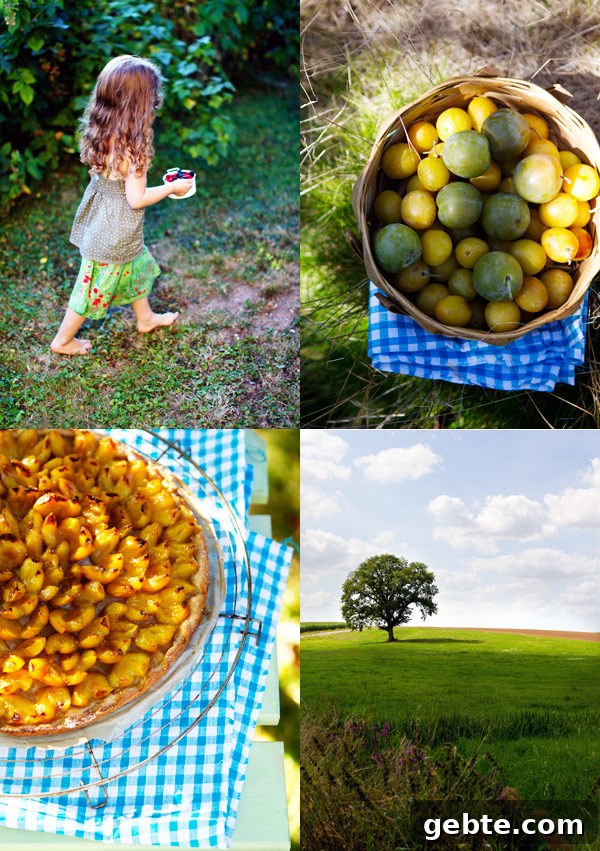
Tarte aux mirabelles
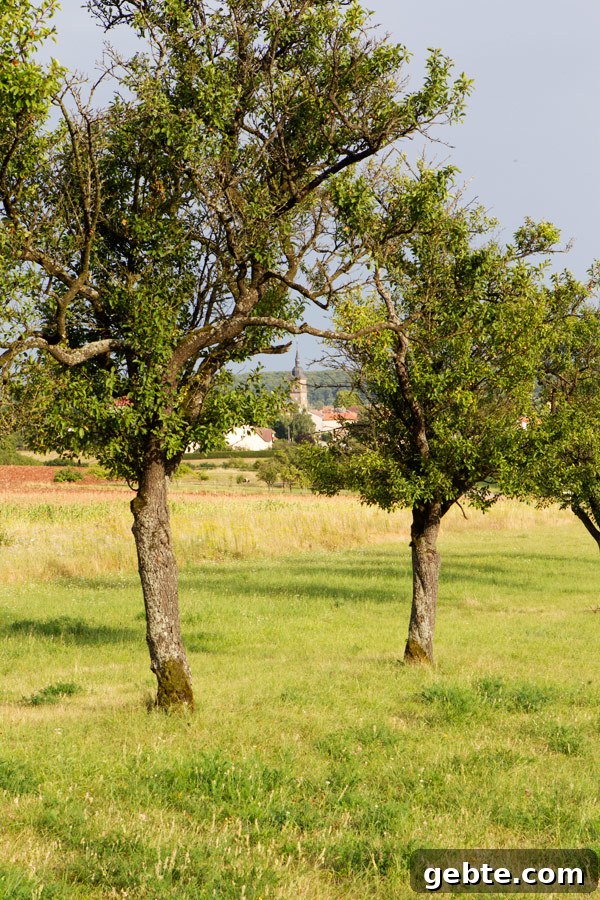
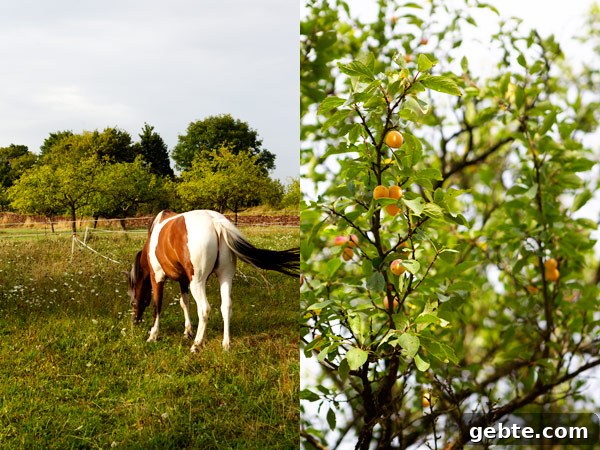
I first fell in love with these plums in my grandfather’s and uncle’s orchards in northeastern France. Growing up, their land was planted with quetschiers and mirabelliers, trees that produced a bounty of fruit every summer. The kitchen was a hive of activity during the season: my mother, grandmother, and aunts transformed the harvest into jams, liqueurs, and fruits au sirop, preserving the taste of summer for the year ahead.
Alongside preserves, they baked countless tarts. It was normal to find a fruit tart cooling on the counter, ready for guests or an impromptu family dessert. Childhood memories of sneaking a slice or two still make me smile.
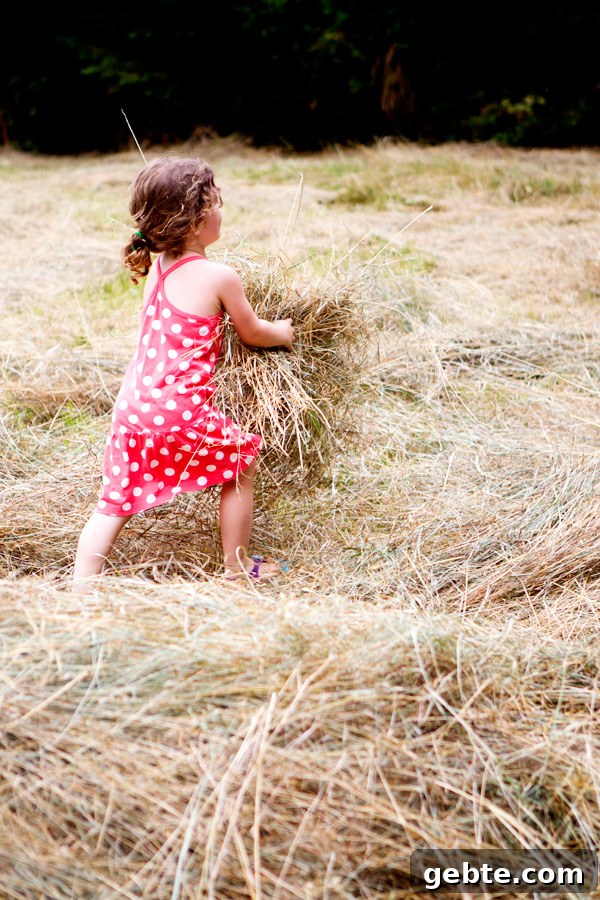
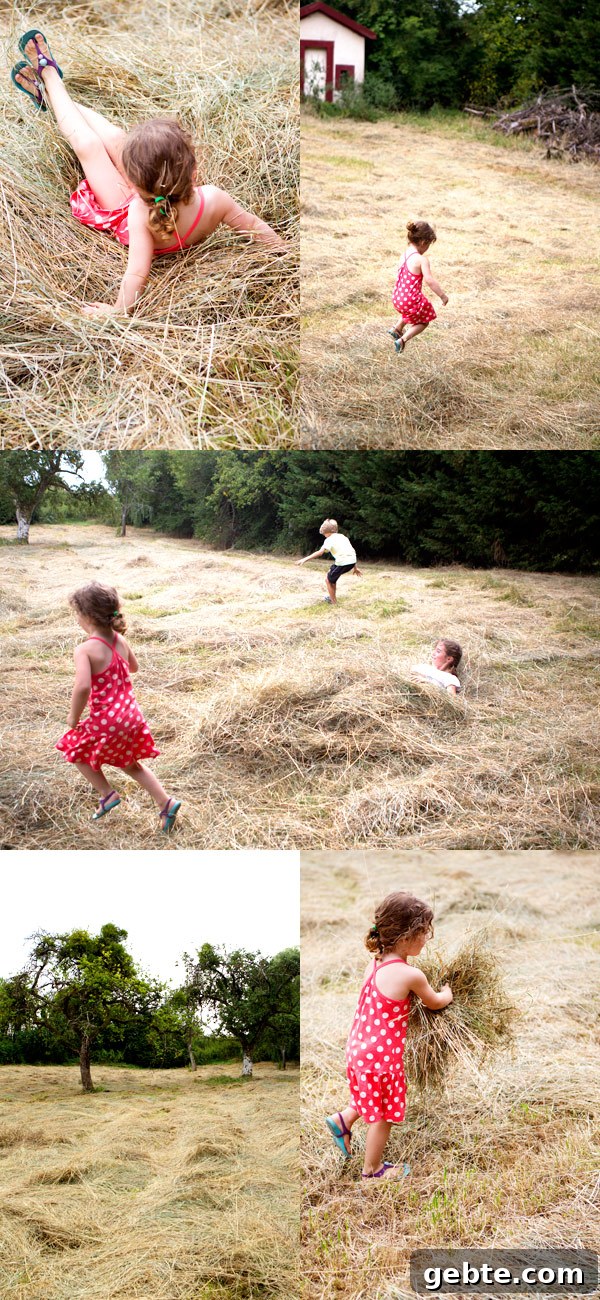
Oh! the games my cousins and I invented in the hay-filled fields and barns. This trip I watched my daughter relive those simple pleasures. When my high school friend R. and her twins visited, we couldn’t resist wandering into a nearby field. Covered in hay and laughing, we picked fruit straight from the trees—just as I had as a child.
My paternal family were mostly farmers, and the trees on their land offered fruit in abundance each summer. With freezers uncommon in earlier decades, preserving was essential. The result was a rich tradition of homemade fruit preparations and simple tarts that highlight the fruit’s natural flavor.
The particular sweetness of mirabelles and the tender texture of quetsches are hard to replicate. In the United States, I don’t often find true mirabelles, but small oval plums similar to quetsches appear at markets, sometimes labeled as Italian plums. The variety of names can be confusing, but when they are in season I am always delighted to find them at a local market and bring the tradition home.
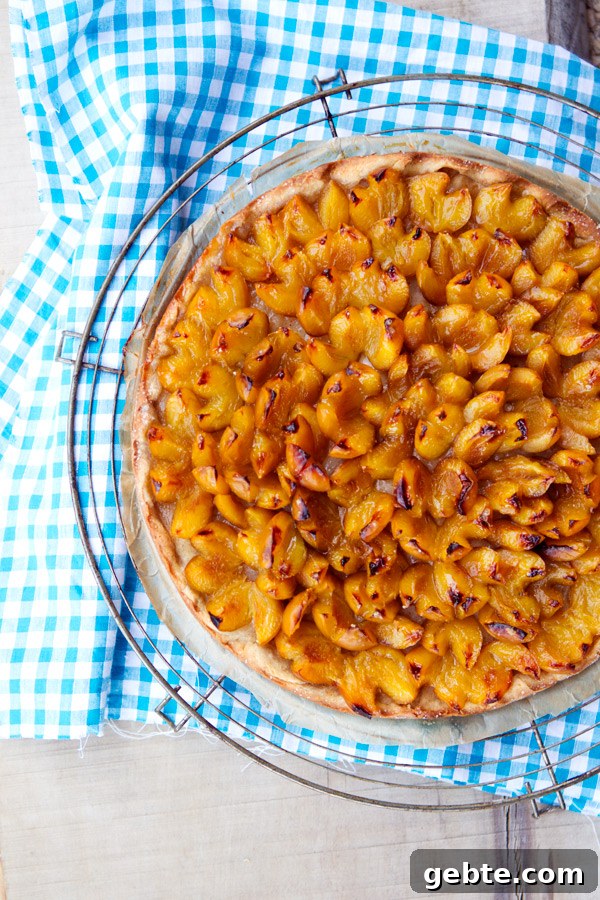
So I followed our family custom and baked a tarte aux quetsches. The tart is simple: a crisp pastry filled with spiced, juicy plums and only a light dusting of sugar. It’s a dessert meant to prolong the memory of warm afternoons harvesting fruit and playing in the fields.
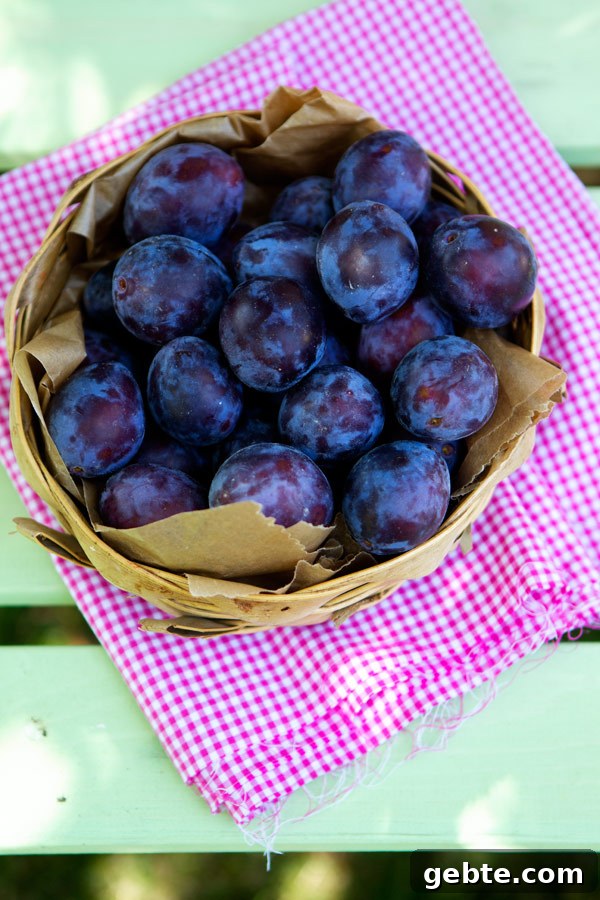
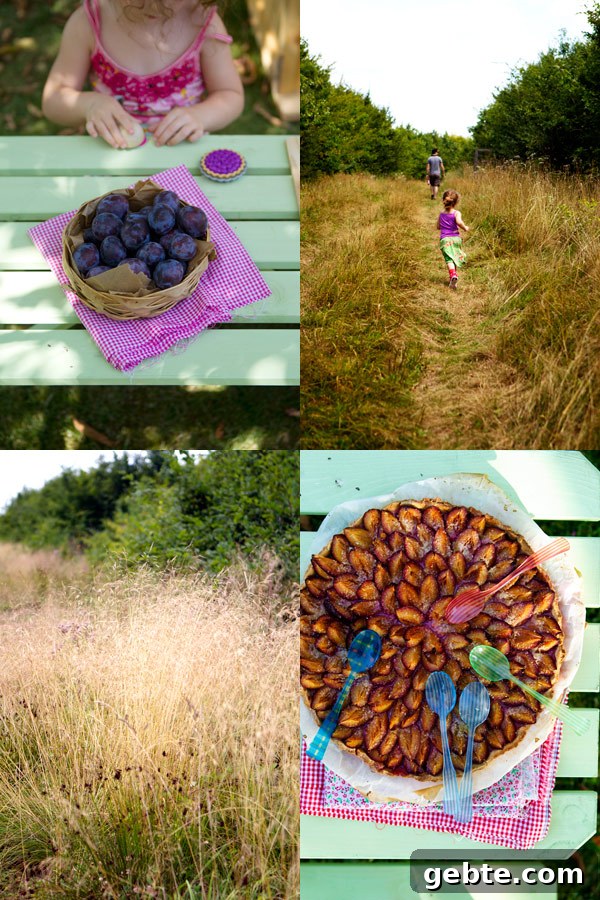
The tart recipe below reflects the way we prefer our fruit tarts at home: simple, lightly sweetened, and allowing the flavor of the fruit to shine. You can use either quetsches or mirabelles depending on availability.
At home, we prefer most of our fruit tarts lightly sprinkled with sugar, and hardly anything else. My sister-in-law masters them beautifully. You can make this tart with mirabelles in the same way.
For the pastry:
- 70 g quinoa flour
- 30 g millet flour
- 100 g brown rice flour
- Pinch of sea salt
- 1.5 teaspoons xantham gum* (optional)
- 100 g butter, cold and diced
- 1 large egg yolk
- 5 (or more) tablespoons cold water
*helps with the binding from lack of gluten
For the fruit:
- 1 kg quetsches (called small Italian plums in the US)
- 50 g blond cane sugar + more to sprinkle on top
- 1 vanilla bean, split open and seeds scraped out
- Zest of 1 organic lime, finely grated
- 30 g almond meal
Steps:
- In the bowl of your stand mixer, combine the flours, salt, and xantham gum (if using).
- Add the butter and work on medium speed until crumbles form.
- Continue by adding the egg yolk.
- Gradually add the water and work the pastry until it detaches from the bowl.
- Make a ball, dust it with flour, and cover with a towel in the fridge, for a few hours (or overnight.)
- Roll the pastry and garnish a 12-inch tart mold. Make small holes with a fork and place in the fridge, covered, for an hour minimum (or more).
- Preheat the oven to 430 F.
- Half the quetsches (or mirabelles) and remove the pit. Make a small slit at the top of the fruit without cutting each half completely.
- In a bowl, combine the sugar, vanilla seeds, lime zest and almond meal.
- Sprinkle 3/4 of it on top of the pastry.
- Arrange the fruit on top, and add the rest of the sugar mixture.
- Bake the tart for 30 minutes, or until the crust is light brown in color, and the fruit is juicy.
- Remove from the oven. Sprinkle with 2 tablepoons sugar. Let completely cool.