
Since January is drawing to a close and spring is approaching, now is a great time to start sowing seeds indoors—both for vegetables and flowers. Growing your own plants saves money and gives you quick access to fresh, nutritious organic produce. You’ll know exactly what went into growing them and can choose varieties that aren’t always available in supermarkets.
Sowing indoors
When sowing indoors, focus on three essentials: seeds, containers and compost. It sounds simple—and it is—once you get the basics right.
Seeds
Before choosing containers, check the seed size. Different seeds often need different pot sizes.
- Large seeds are best sown individually into 9 cm (3.5 in) diameter pots.
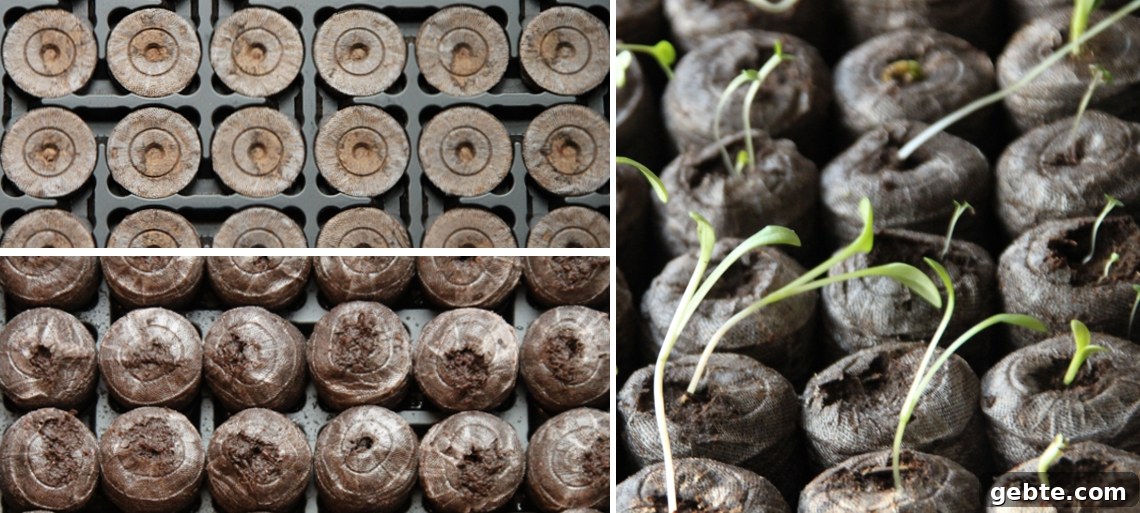
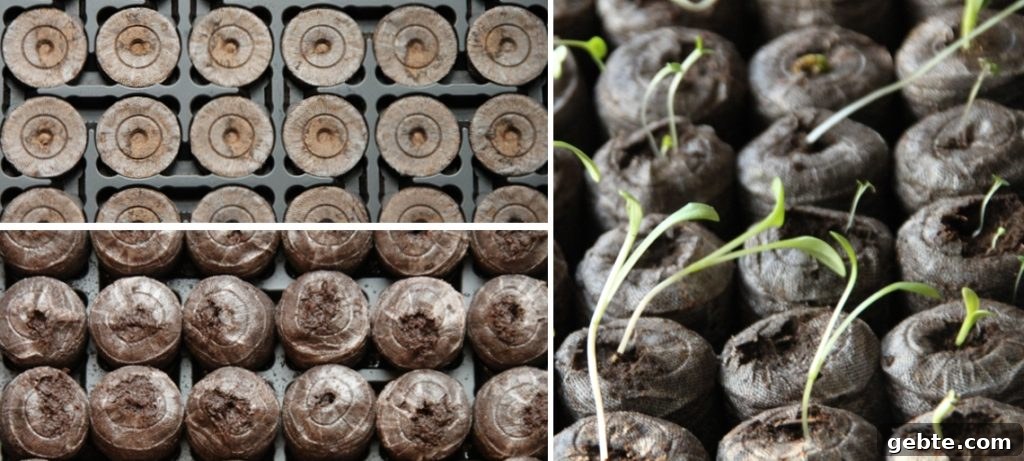
- Medium seeds suit individual small pots or jiffy peats in a tray. Jiffy peats are compressed compost discs that expand when watered; they’re easy to use and excellent for beginners.
- Small seeds are usually sown thinly in shallow seed trays and later transplanted while still seedlings. Alternatively, sow 4–5 small seeds into each small pot or jiffy peat and thin later.
- If you reuse containers, wash them thoroughly. Dirty pots can harbor disease and harm seedlings.
Containers
You can buy purpose-made propagators or improvise with a large roasting tray, toilet-paper rolls and clingfilm if you’re testing the waters. The method is similar regardless of the container you choose.
Compost
Choose compost based on what you’re planting. Some seeds prefer pure seed compost, others do better with a mix that includes sand or grit—follow the seed packet’s advice. A good general approach is to use standard seed compost. Fill containers, level the surface with your hand or fingers, press down gently and water well before sowing.
Sowing
Label pots as you sow so you won’t forget what’s where. Different seeds have varying light and soil needs, so check the packaging for specifics.
- For larger seeds, press each seed individually into the compost surface. Use small pots or place seeds a couple of centimeters (about 1 inch) apart in a seed tray. Planting two seeds together and keeping the stronger seedling is a common approach.
- Small seeds should be sown thinly across the compost surface. Cover lightly with a thin sprinkling of compost and press down gently.
- Label and water lightly—using a spray bottle prevents displacing seeds.
- If using a propagator, cover with its lid. For simple trays, cover with a clear plastic bag, clingfilm or a sheet of glass. Keep the trays in a warm, dark place until seedlings appear—around 18–20°C (65–70°F) unless the seed packet indicates otherwise. Many flowers and common vegetables germinate within 1–3 days; harder, larger seeds can take longer. Keep the soil moist but not waterlogged and maintain a steady temperature for best results.
Be patient
Resist the urge to lift the cover frequently—seedlings need consistent warmth and humidity to emerge. Once they’ve started growing, remove the cover and place them in a bright, steady-temperature spot such as a windowsill. Keep the compost moist but avoid overwatering. A spray bottle works well; a watering can with a fine spout is another option for gentle watering.
Transplanting
When seedlings are large enough, move them into larger pots and separate seedlings that were sown in pairs. This is where jiffy peats shine: they make transplanting much easier and reduce root disturbance.
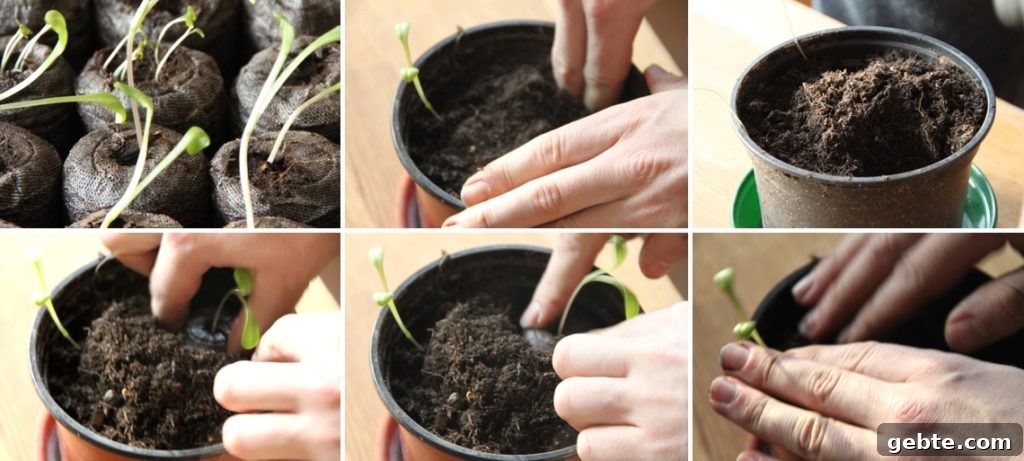
- Prepare new pots with compost and make holes for each plant.
- If seedlings are in a tray, loosen the compost around each one with a blunt tool (the end of a teaspoon or a toothpick works), then lift seedlings gently between your thumb and forefinger and transfer them to their new pots.
- Place each seedling into a 9 cm (3.5 in) pot. If stems are long or leaning, plant slightly deeper to support them with soil.
- With jiffy peats, simply place the peat block into the new pot—roots remain intact and transplanting is low-stress for the plant.
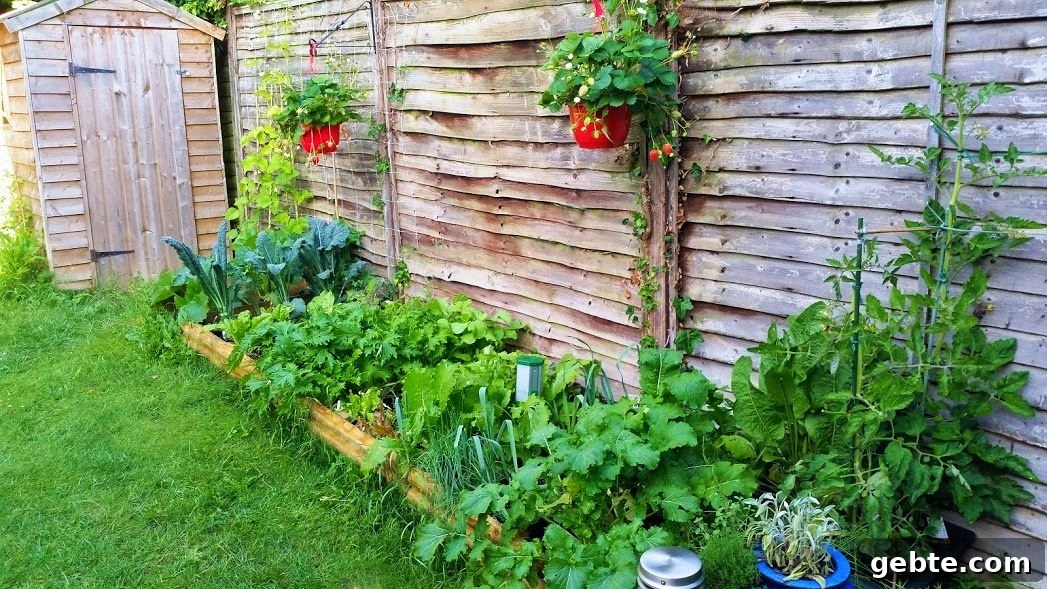
Once transplanted, maintain steady moisture and light until seedlings are ready for their final location. You don’t need acres of land to grow vegetables—small balconies or compact beds can produce a surprising amount of fresh produce. I’m focusing on leaf kales and Swiss chard for juicing this year.
Now get sowing and share what you manage to sprout and grow!