

Have you ever admired how a fresh coat of paint transforms a house? A simple update can make an older exterior look vibrant and welcoming. But exterior upkeep is more than appearances — it preserves comfort, prevents costly damage, and keeps your home safe. Regular inspections and timely repairs are essential. This guide explains practical steps for home exterior maintenance, from roof and gutter care to landscaping and foundation checks, and offers straightforward advice on materials and seasonal routines.
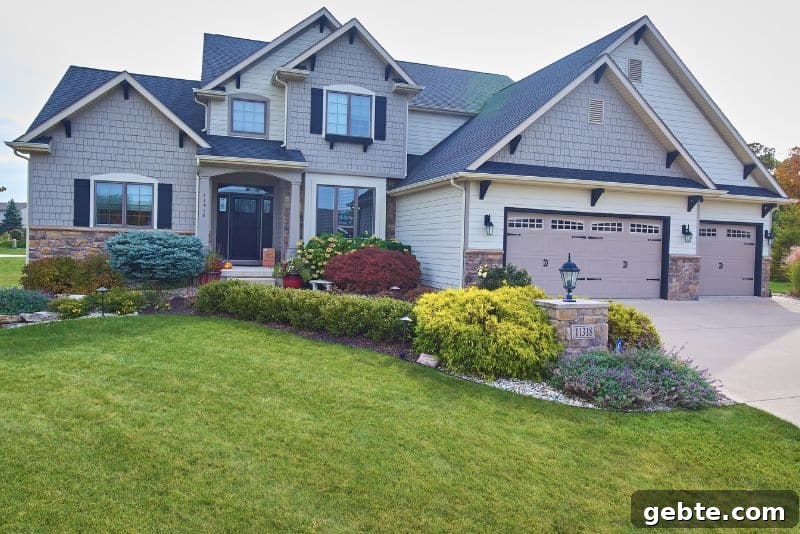
1. Inspect the Roofing Elements
A thorough roof inspection is the first line of defense against leaks and structural issues. Look for missing, loose, or cracked shingles and damaged flashing around chimneys, skylights, and roof vents—common leak points. Also check for moss or algae, which can hold moisture and shorten the roof’s lifespan.
Have a professional inspect your roof at least once a year, or more often if you live in an area with severe weather. Contractors can spot concealed damage and recommend repair or replacement options suited to your roof’s material and local climate. Early repairs prevent small problems from growing into expensive, time-consuming fixes.
2. Clean and Repaint Your Home’s Exterior
Regular cleaning and repainting preserve the look and integrity of siding, trim, and other exterior surfaces. Pressure washing with a suitable detergent removes dirt, mildew, and stains, preparing surfaces for paint or sealant. Take care with pressure settings and use the right cleaner for wood, vinyl, or masonry to avoid damage.
Choose high-quality exterior paint or stain to protect surfaces from UV, moisture, and temperature swings. Premium products often last significantly longer and resist fading, peeling, and mildew. Match the paint type to the substrate (wood, fiber cement, vinyl, or stucco) and consult a pro if you’re unsure which product fits best.
3. Take Care of Your Gutters
Gutters direct water away from your roof and foundation. Seasonal checks to remove leaves, twigs, and debris keep the system flowing and prevent overflow that can damage siding, fascia, and foundations. Also inspect hangers and seams for rust or separation.
Gutter guards can reduce the amount of debris entering the system and cut down on maintenance. If you’re installing new gutters, consider durable materials and profiles designed for your climate; many options include long warranties and low-maintenance finishes.
4. Secure Windows and Doors
Windows and doors are critical for security, insulation, and weatherproofing. Inspect frames and sills for rot, warping, or gaps that allow drafts and moisture. Ensure weatherstripping and caulking are intact and replace any damaged or brittle seals.
Check that locks and hardware operate smoothly and consider upgrades if security is a concern. Well-maintained windows and doors improve energy efficiency and comfort while reducing the risk of water intrusion and pest entry.
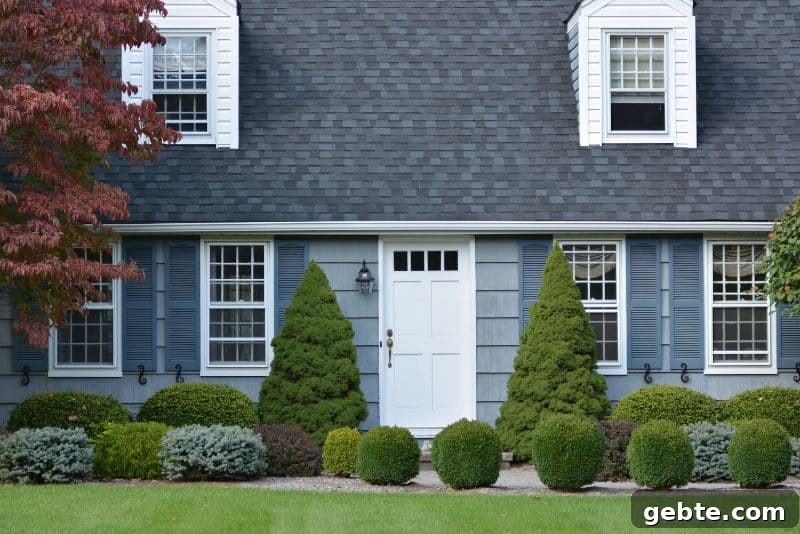
5. Check for Foundation Problems
The foundation supports the entire structure, so watch for signs of trouble: sloping or uneven floors, cracks in walls or ceilings, and gaps around windows and doors. These symptoms can indicate water intrusion, soil movement, or settling.
If you spot changes, contact a qualified foundation specialist for a full evaluation. A professional can identify causes, recommend drainage improvements, underpinning, or other repairs, and help prioritize fixes to protect your home’s long-term stability.
6. Maintain the Landscaping
Smart landscaping protects your exterior while improving curb appeal. Trim trees and shrubs regularly to keep branches away from the roof and siding, reducing damage from storms and limiting pest access. Keep plants and mulch a few feet away from the foundation to discourage moisture buildup and pests.
Watch for roots that lift sidewalks or driveways and choose plants suited to your climate and maintenance preferences. Native or drought-tolerant species often require less care and provide reliable, long-term benefits.
Consistent, seasonal attention to these areas — roof, paint and siding, gutters, windows and doors, foundation, and landscaping — will help you avoid emergency repairs and preserve your home’s value. Regular inspections, timely repairs, and the right materials tailored to your local climate will keep your home safe, efficient, and attractive for years to come.