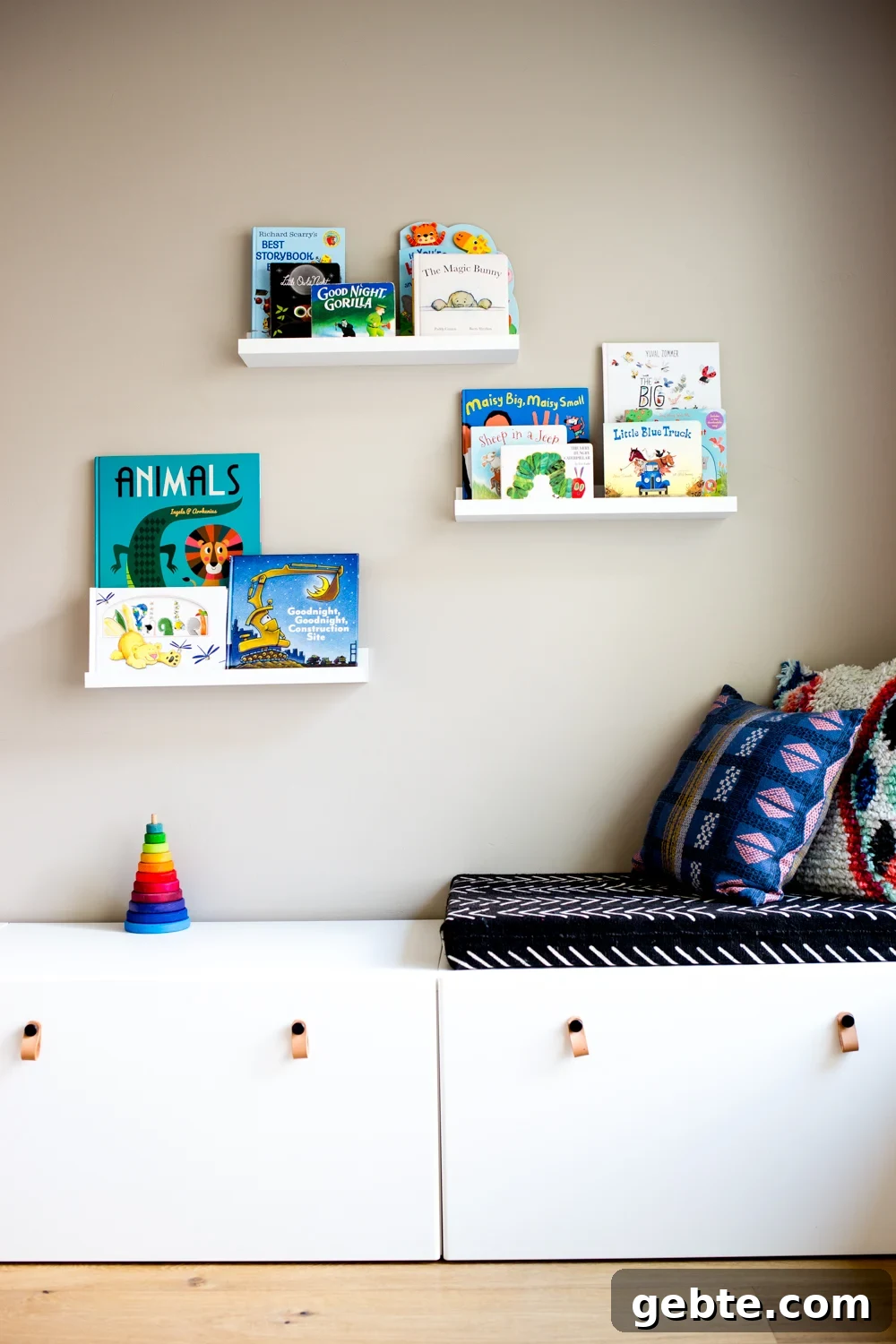
Simplifying the toys in your home reduces clutter, lowers stress, and improves how your children play. Use this practical guide to declutter toys effectively and create a calmer, more creative play environment.
Table of Contents
Toggle
You know the feeling of being overwhelmed by too many browser tabs — the same scattered focus can happen to children surrounded by too many toys. A cluttered play space pulls their attention in many directions, shortens play sessions, and makes it harder for them to engage deeply.
When children have fewer toys to choose from, they tend to focus longer, use more imagination, and develop independence during play. The goal of decluttering is not to remove joy but to make the play experience richer, calmer, and more meaningful.
Benefits of Decluttering Your Toys
Reducing toy clutter brings immediate and lasting benefits for the whole family. Here are the key advantages:
- Less stress for kids and adults. Physical clutter raises stress and makes it harder to concentrate. Parents and children both benefit when toy quantities are reduced and spaces are calmer.
- More creative, longer play. Children play more imaginatively and for longer stretches when surrounded by fewer toys. Open-ended toys encourage exploration and sustained engagement.
- Faster, easier cleanup. Fewer toys mean less daily tidying and simpler storage systems.
- Greater appreciation and care. Scarcity increases value: kids with fewer toys tend to care for them better and treat them as treasures rather than disposable items.
- Better spending habits. Decluttering often leads to more intentional toy purchases: fewer, higher-quality toys chosen with purpose, which saves money and reduces waste.
Open-Ended Toys vs. Closed-Ended Toys
Understanding the difference between open-ended and closed-ended toys helps you choose items that encourage creative and sustained play.
- Open-ended toys: These support imaginative, physical, and creative play and can be used in many ways across ages and genders. Examples: blocks, loose parts, art supplies, dress-up clothes, classic LEGO pieces, and play silks. Favor these when simplifying a collection.
- Closed-ended toys: These typically have a single function or a clear endpoint, like a specific puzzle, a themed building kit, or a battery-operated toy. They can be useful for teaching task completion but often result in shorter play sessions.
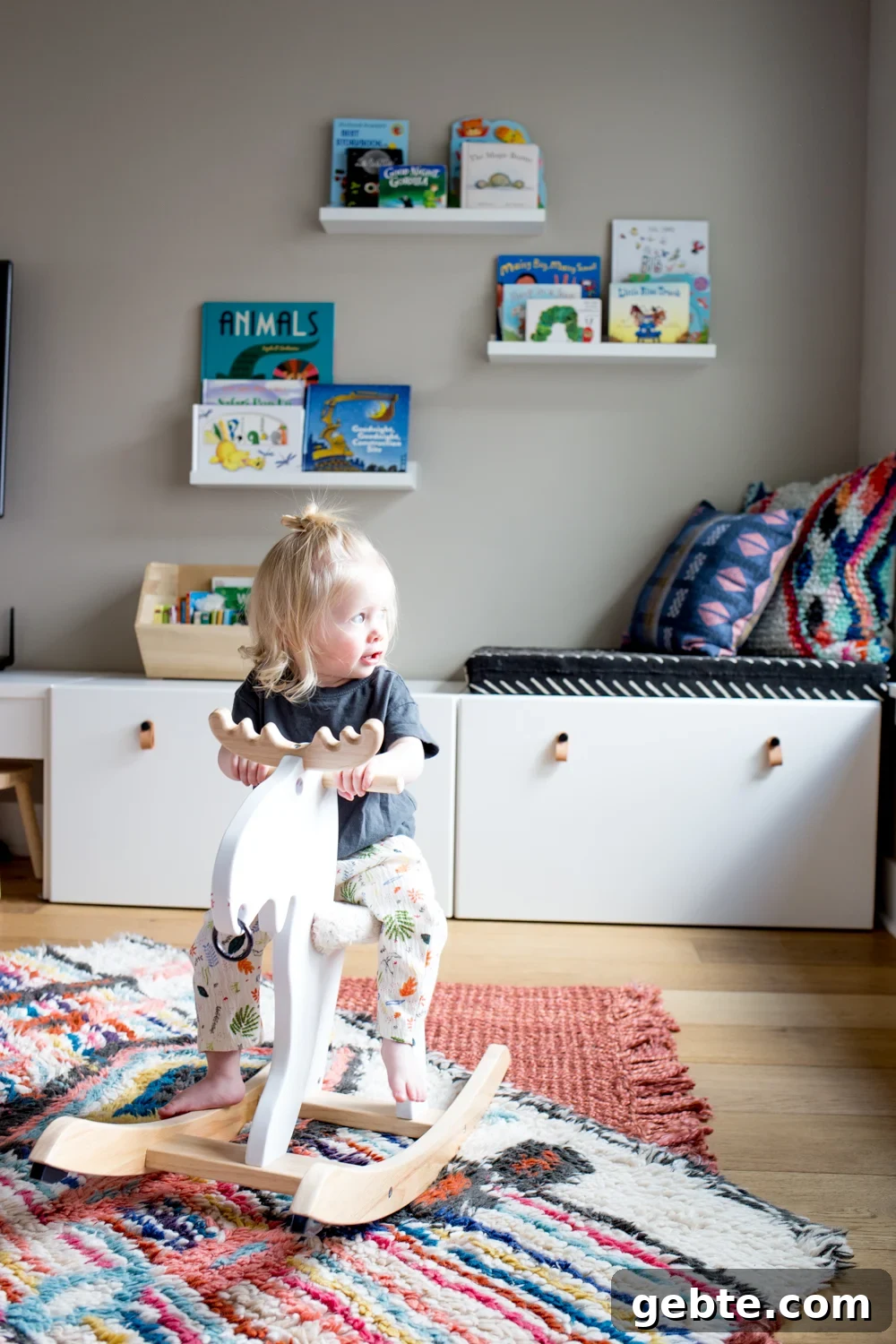
How to Declutter Your Toys
Follow these clear, actionable steps to declutter toys and build a system that stays manageable.
Step 1: Watch & reflect.
Observe your children playing for a week. Note which toys they choose repeatedly, which engage them for long periods, and which are ignored. Ask yourself:
- Which toys inspire creativity and can be used in many ways?
- Which encourage physical activity or independent play?
- What toys are outgrown, broken, or missing parts?
- Which items does your child truly love?
Step 2: Sort your toys.
Sort toys by category so you can see how many similar items you own. Pull everything of one type into a single space to reveal duplicates and excess. Useful categories include:
- Baby toys: rattles, play mats, teethers, sensory toys
- Dolls & stuffed animals: dolls, plush toys, accessories
- Building toys: blocks, LEGOs, magnet tiles
- Creating toys: art supplies, craft kits
- Imaginative toys: dress-up, play kitchen, puppets
- Transportation toys: cars, trains, tracks
- Figurines: action figures, play sets
- Games: board games, puzzles, cards
- Active toys: balls, bikes, scooters
- Musical instruments
Step 3: Declutter one category at a time.
With toys sorted, decide what stays and what goes. Practical tips:
- Gather supplies: boxes or bags for donate, sell, recycle, trash; a damp cloth and a small vacuum for quick cleaning.
- Create clear piles: label areas for keep, donate, sell, recycle, and trash.
- Use a timer: limit decision time to keep momentum.
- Set boundaries: limit the number of certain toys or assign a fixed storage space for collections.
- Keep favorites: if a toy is loved and played with regularly, keep it for now.
- Remove easy wins: recycle broken items, throw away pieces that are unsafe, and let go of outgrown toys first to build confidence.
Step 4: Organize & arrange.
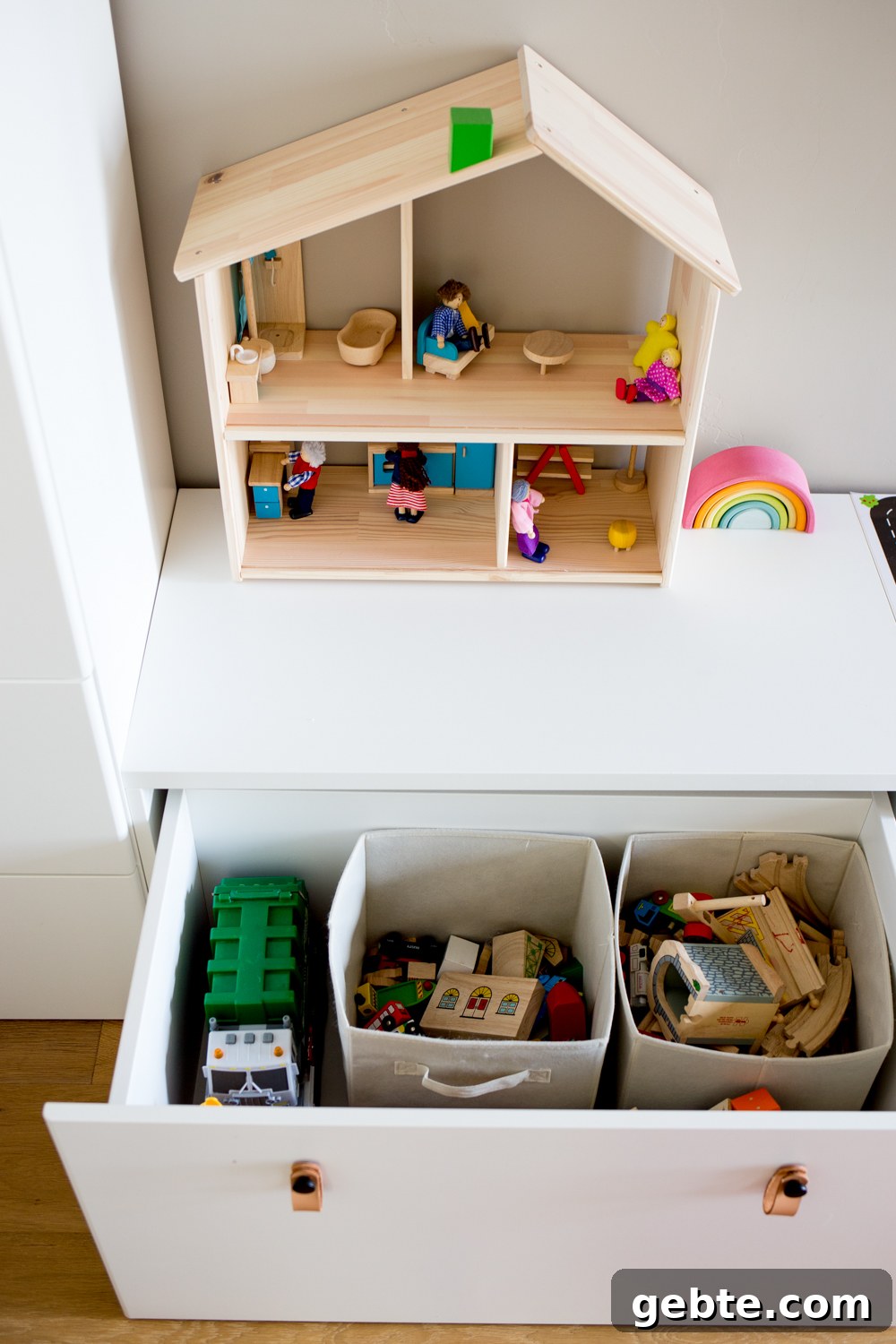
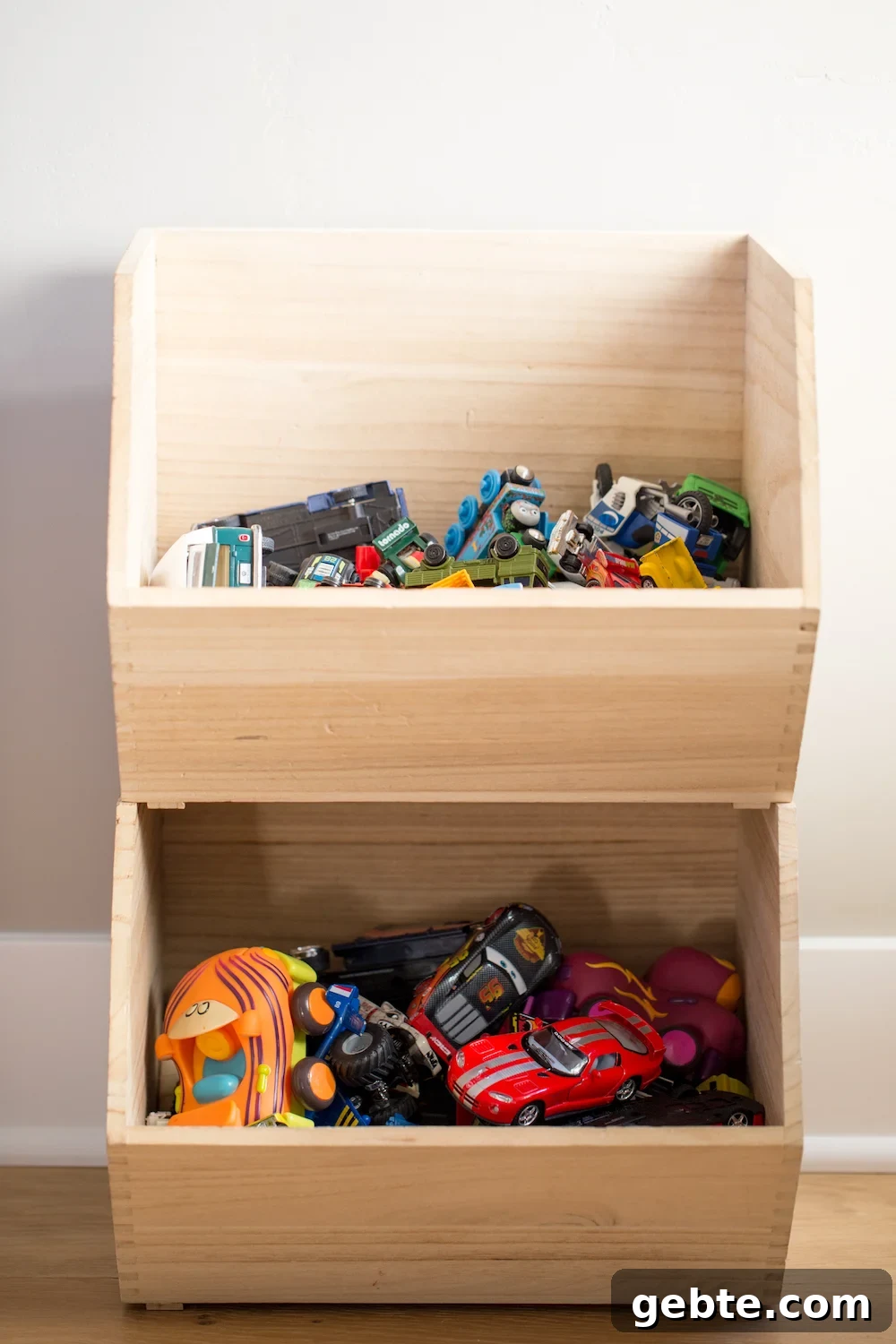
Store the toys you keep so they are easy to see and reach. Practical organization strategies:
- Use small bins: keep small pieces (cars, LEGOs, animals) separated to avoid overwhelming mixes.
- Create mini displays: place 5–10 curated toys on a shelf or tray in main living areas to invite play.
- Rotate toys: store extras out of sight and swap them in every few weeks to renew interest.
When toys are displayed and organized thoughtfully, children are more likely to play with them intentionally and help tidy up afterward.
Step 5: Get rid of your unwanted toys.
Once you’ve separated items to remove, act quickly while momentum is high. Options that keep items out of landfill when possible:
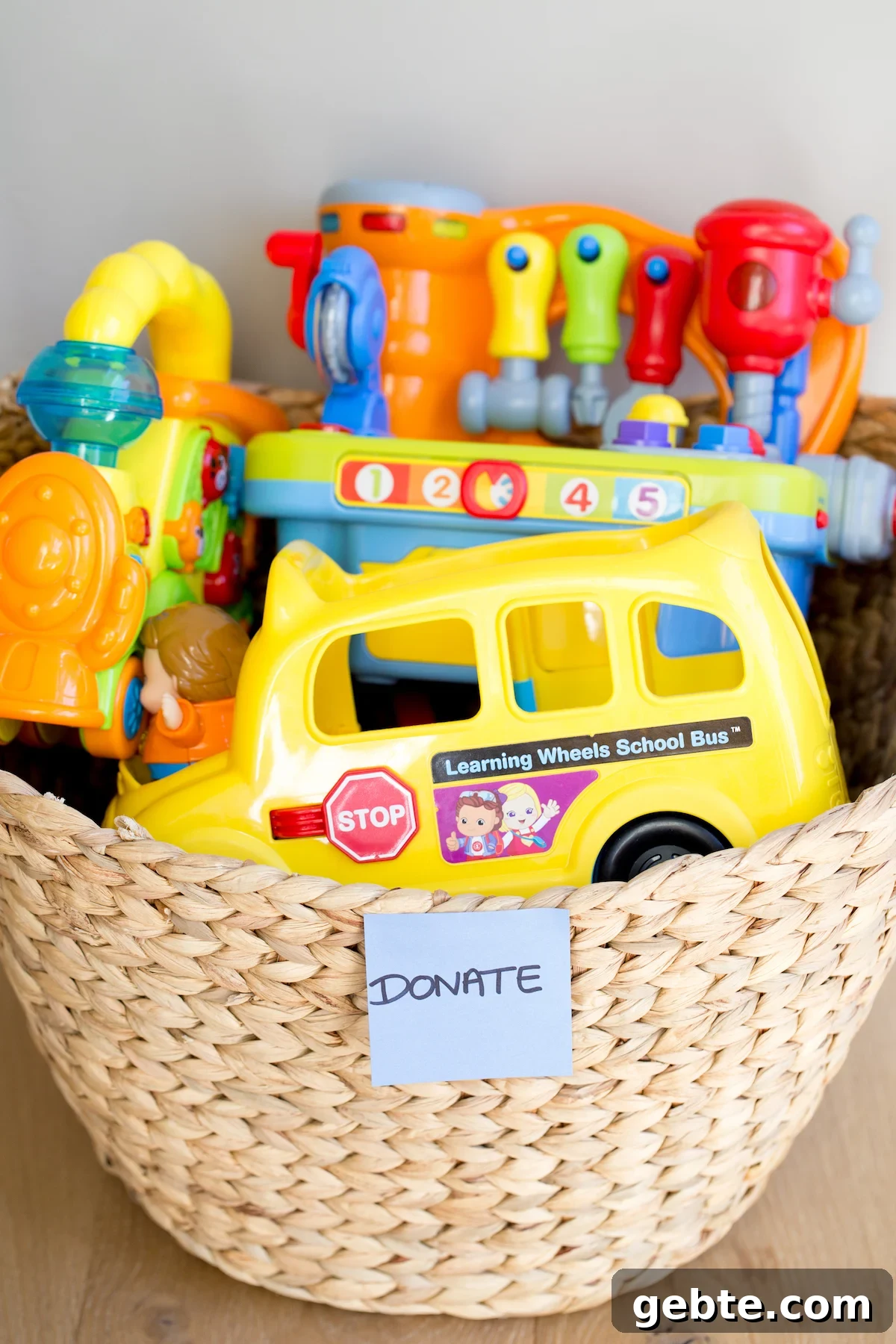
- Donate: Give toys in good condition to shelters, hospitals, preschools, or charities.
- Sell: Offer gently used toys on local marketplaces or at yard sales.
- Recycle: Check local recycling options for hard-to-recycle plastics or use specialized programs when available. Recycling can be more costly, but it helps reduce waste.
Enjoy the calmer space and the clearer play experiences you’ve created for your family.
How to Keep the Toys Decluttered
Maintain your progress with simple habits that prevent clutter from returning.
- Identify sources: Notice how toys arrive in your home—gifts, hand-me-downs, impulse purchases—and address those channels.
- Change buying and gifting habits: Explain your intentions to friends and family and suggest alternatives to more plastic toys.
- Think before you buy: Delay impulse purchases and evaluate whether a new toy adds lasting value.
- Say no politely: Decline bulk hand-me-downs or suggest donating them to someone who needs them more.
- Encourage experiences: Ask for experience gifts or contributions to education funds instead of more stuff.
- Curate with intention: Favor open-ended toys that promote creativity and longevity. Resist buying multiples of the same toy just because it keeps kids occupied.
- Use a one-in, one-out rule: For every new toy, have your child choose one or two items to donate, sell, or recycle.
Frequently Asked Questions
There’s no magic number. Decluttering is an ongoing process: each round will likely leave you comfortable with fewer toys than before. Focus on what adds value to your child’s play and how you feel about the space afterward rather than a specific count.
For children under about four, parents can handle most of the process. After age four or five, involving kids teaches decision-making, generosity, and how to evaluate what they truly enjoy. Older children can also be motivated by selling toys they no longer use.
A simple message explaining your goal to reduce clutter and be more intentional usually works. Offer alternatives—specific toys you approve, experience gifts, or donations to a fund. If needed, mention environmental concerns about difficult-to-recycle plastics to help convey your reason.
Got more questions? Drop them in the comments below and I’ll add answers to the most common ones here!
More toy alternatives and decluttering tips:
- How to Declutter Kids’ Books
- Best Experience Gifts for Kids
Pin this Post