
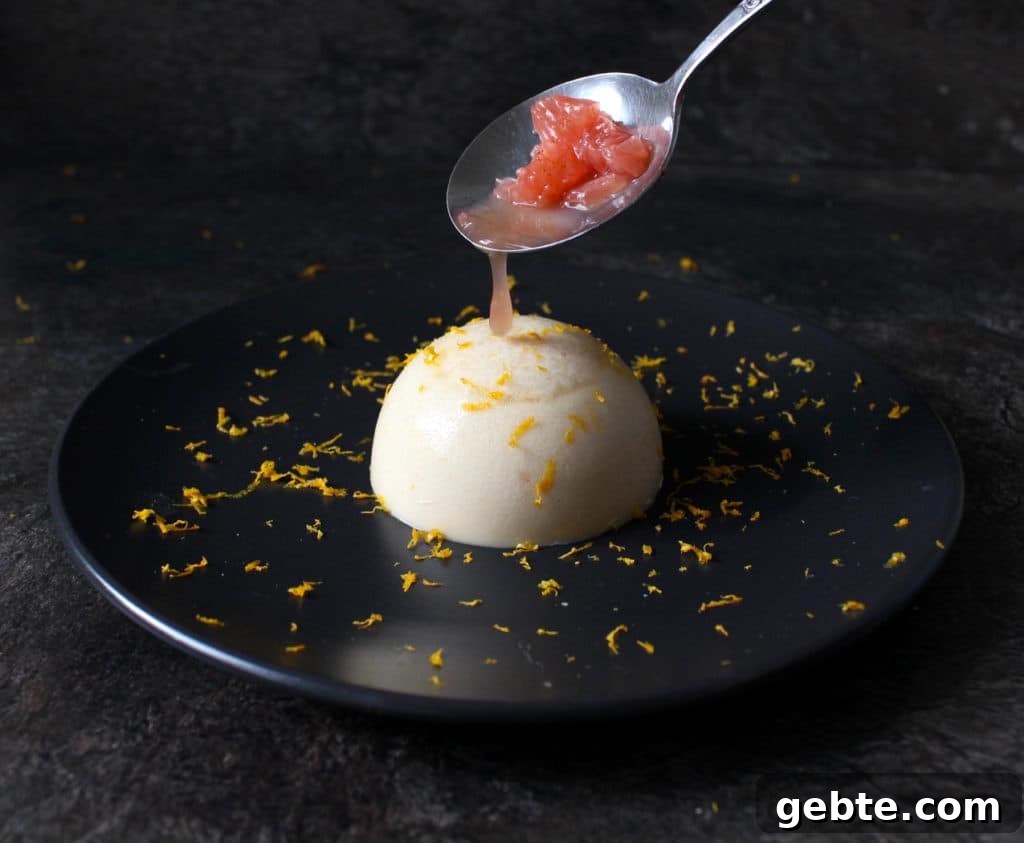
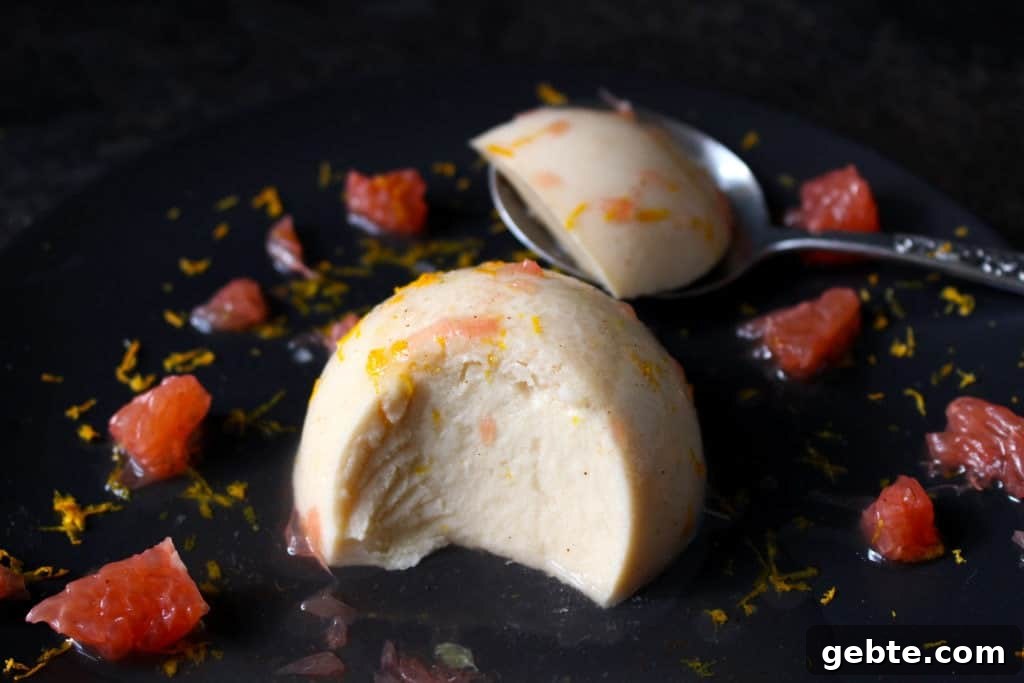
Panna cotta is one of my favorite desserts: simple to make and delicious with almost any flavor. For this version I used seasonal citrus to create an Orange and Grapefruit Panna Cotta, finished with a light grapefruit syrup and fresh grapefruit segments.
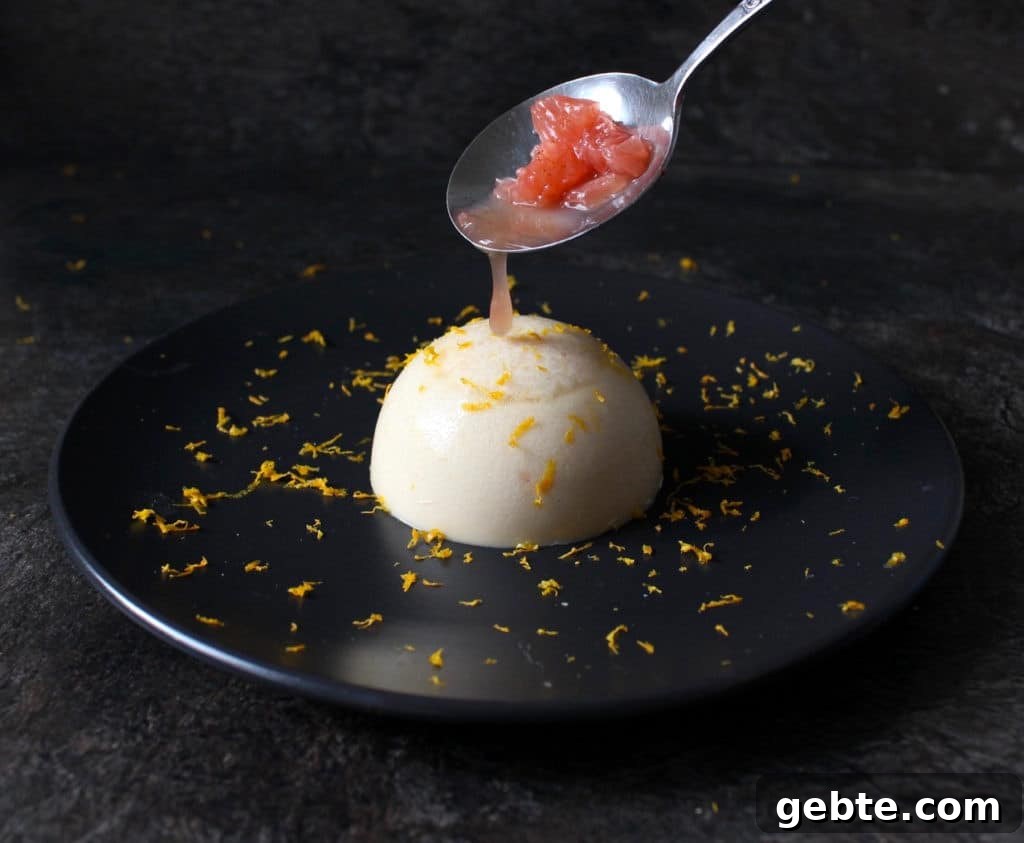
I’ve experimented with many panna cotta variations because the dessert is so versatile — you can adapt it to whatever fruit is in season and it will still shine. I’ve made mango panna cotta, raspberry and vanilla versions, and even a vegan coconut panna cotta. For this recipe I leaned into winter citrus, combining pink grapefruit and orange for a bright, refreshing flavor.
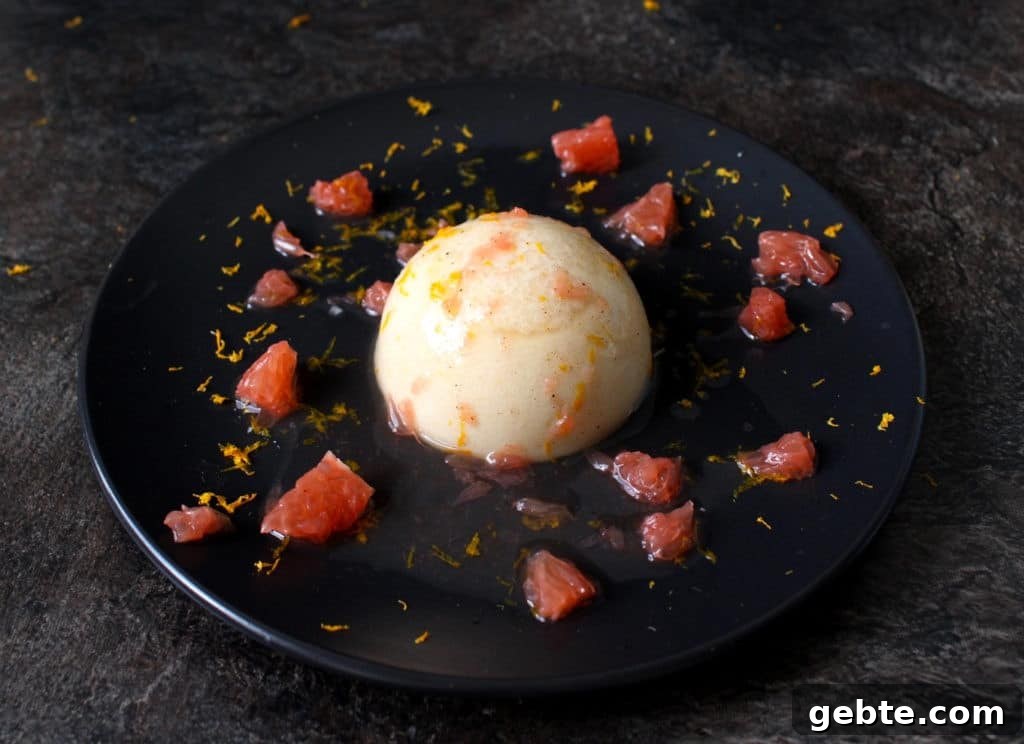
What is panna cotta
Although it sounds fancy, panna cotta is one of the easiest desserts to prepare. Literally meaning “cooked cream” in Italian, traditional panna cotta uses cream and a gelling agent. While vanilla and coffee are popular flavors, fruit-based panna cottas are my favorite. For a lighter texture I like to combine cream with milk; for a dairy-free version I use coconut cream and a plant-based milk such as soy or coconut milk. In this recipe the coconut cream is combined with soy milk to keep the dessert vegan while still delivering a delicate coconut note.
Citrus panna cotta
Winter citrus season is perfect for bright desserts. Citrus works beautifully in both sweet and savory dishes — from classic orange tarts to lemon poppy seed muffins — and here grapefruit and orange pair well together. Pink grapefruit brings a slightly tart, floral bitterness that is nicely balanced by sweet orange.
Rather than using animal gelatin, I use agar agar, a plant-based gelling agent derived from seaweed. Agar sets more firmly than gelatin and must be handled precisely — it needs to reach a proper boil and be measured carefully to achieve the right texture. When used correctly, agar makes excellent vegan panna cotta, jellies and thickeners.
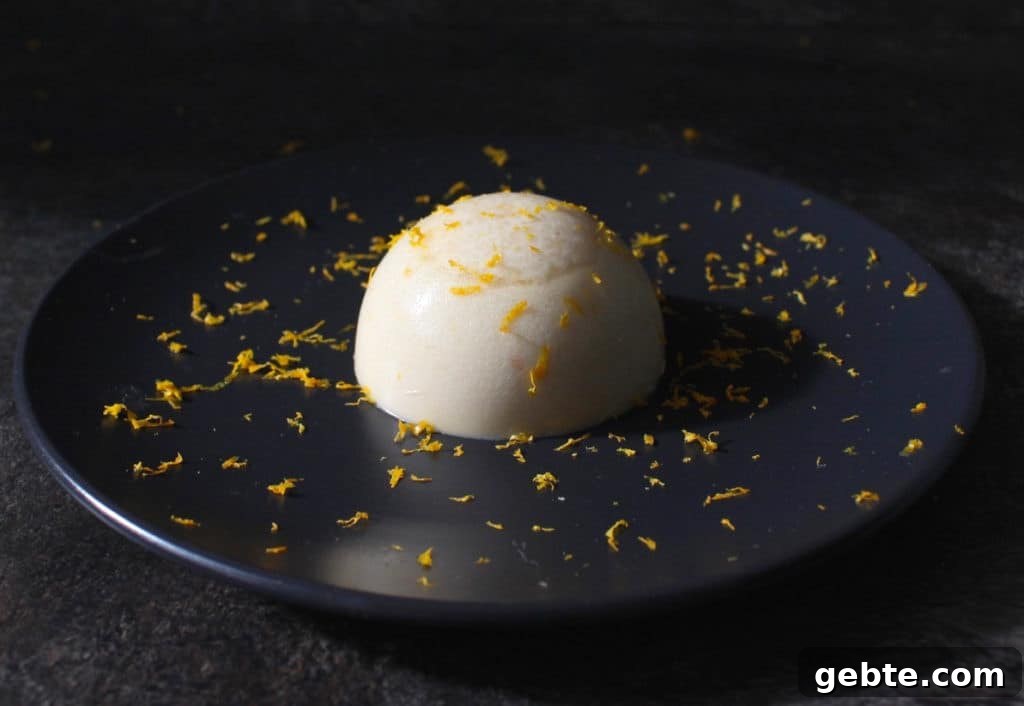
How to make panna cotta with orange and grapefruit
For a polished presentation I used semi-sphere silicone molds, which instantly elevate the appearance of panna cotta compared with basic shapes. Silicone molds also make unmolding much easier. If you prefer something more versatile, a silicone muffin pan works well too.
To complement the set panna cotta I prepared a simple citrus syrup using pink grapefruit juice, a pinch of cinnamon and a little brown sugar. Bring these ingredients to a boil, then simmer briefly until the sugar dissolves. Allow the syrup to cool, then add fresh grapefruit segments to soak for about an hour. When serving, spoon a small amount of syrup and a few grapefruit segments over each panna cotta and finish with a little orange zest for brightness. This syrup is optional but adds a lovely contrast and extra citrus punch.
Recipe
Ingredients
- 100 ml (1/3 cup + 1.5 tbsp) Orange Juice
- 100 ml (1/3 cup + 1.5 tbsp) Pink Grapefruit Juice
- 1/2 tsp Orange Zest
- 1/2 tsp Pink Grapefruit Zest
- 100 ml (1/3 cup + 1.5 tbsp) Plant-Based Milk (soy, coconut or similar)
- 250 ml (1 cup) Coconut Cream
- 1 tbsp Brown Sugar
- 1 tbsp Agar Agar Powder
Instructions
- In a medium pot combine the orange juice and zest, grapefruit juice and zest, plant-based milk, coconut cream and brown sugar. Heat gently and whisk frequently to avoid scorching.
- When the mixture comes to a boil, sprinkle in the agar agar powder and whisk continuously for 3–5 minutes so the agar fully dissolves and the liquid begins to thicken slightly.
- Remove from the heat, pour into silicone molds and place in the refrigerator to set. The panna cotta is ready when it has a firm, jelly-like texture.
Notes
- Agar needs to reach boiling temperature to activate. Make sure the mixture boils and you whisk the agar in long enough for it to dissolve completely.
- Place silicone molds on a small tray before pouring hot liquid to keep them stable when transferring to the fridge.