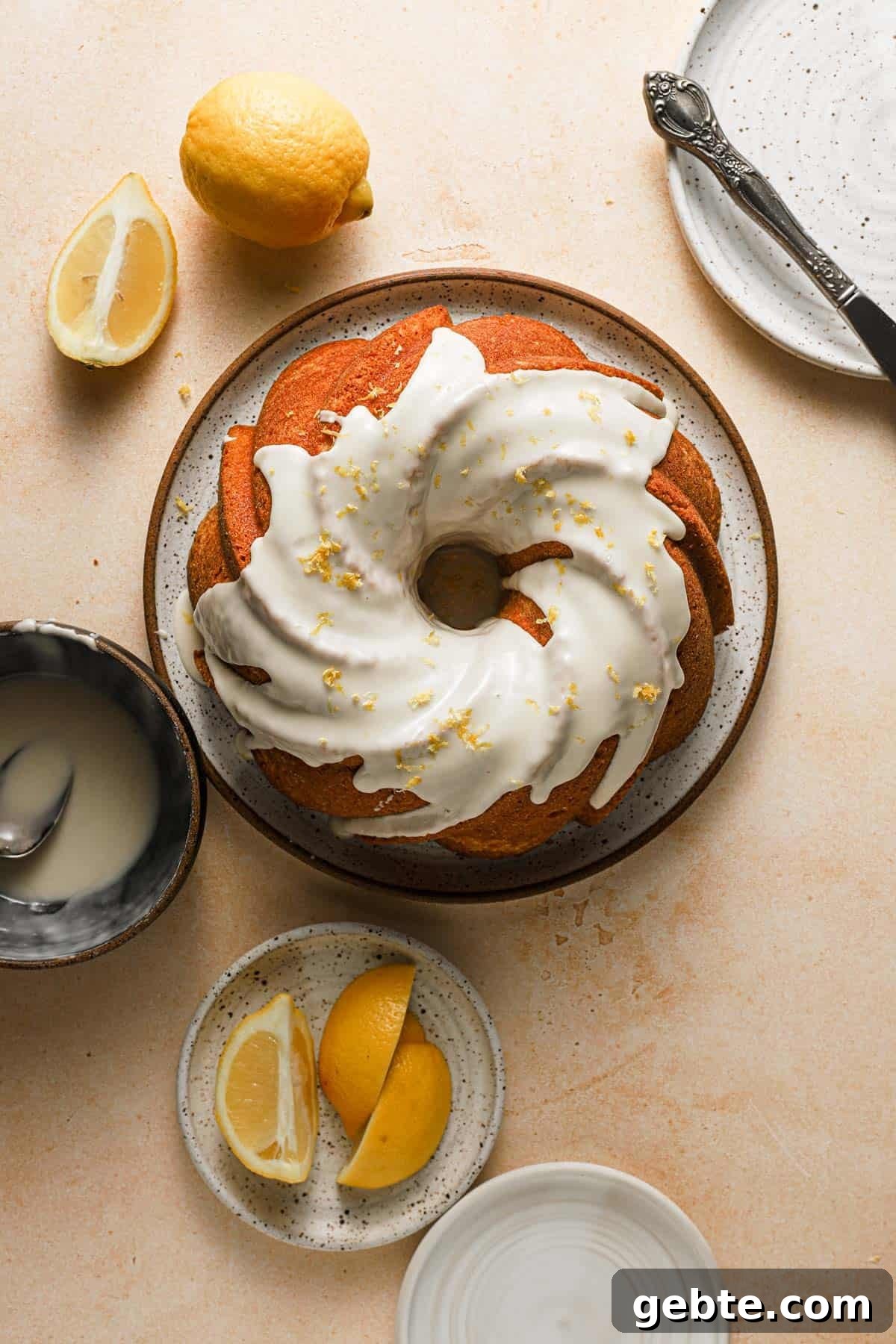
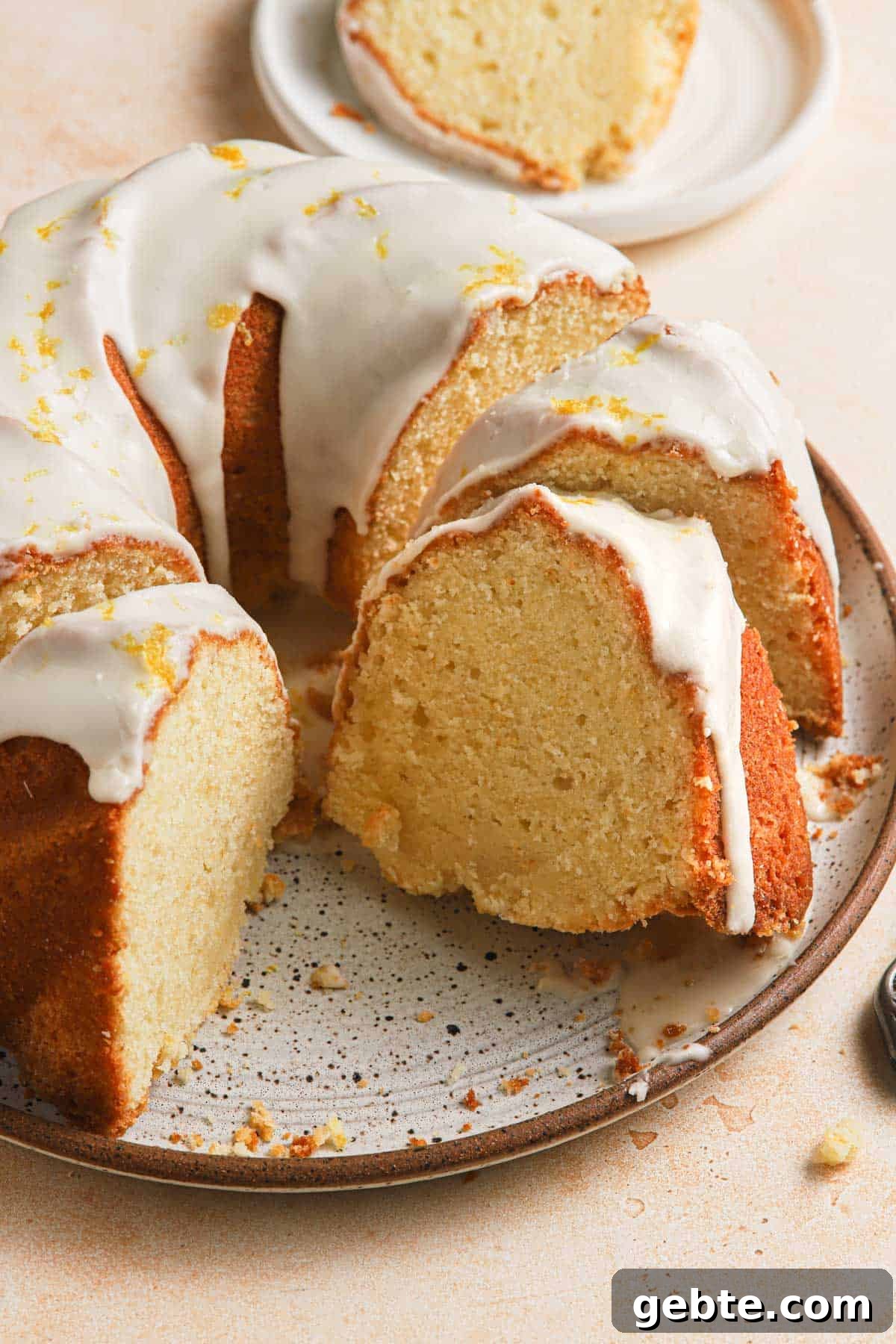
Rich and buttery Limoncello Pound Cake infused with limoncello and olive oil. Bursting with fresh lemon zest, it bakes into a tender, moist crumb and is finished with a thick limoncello glaze that adds a bright citrus kick and delicate sweetness to every slice.
This post contains affiliate links; check out our Disclosure Policy for more information.
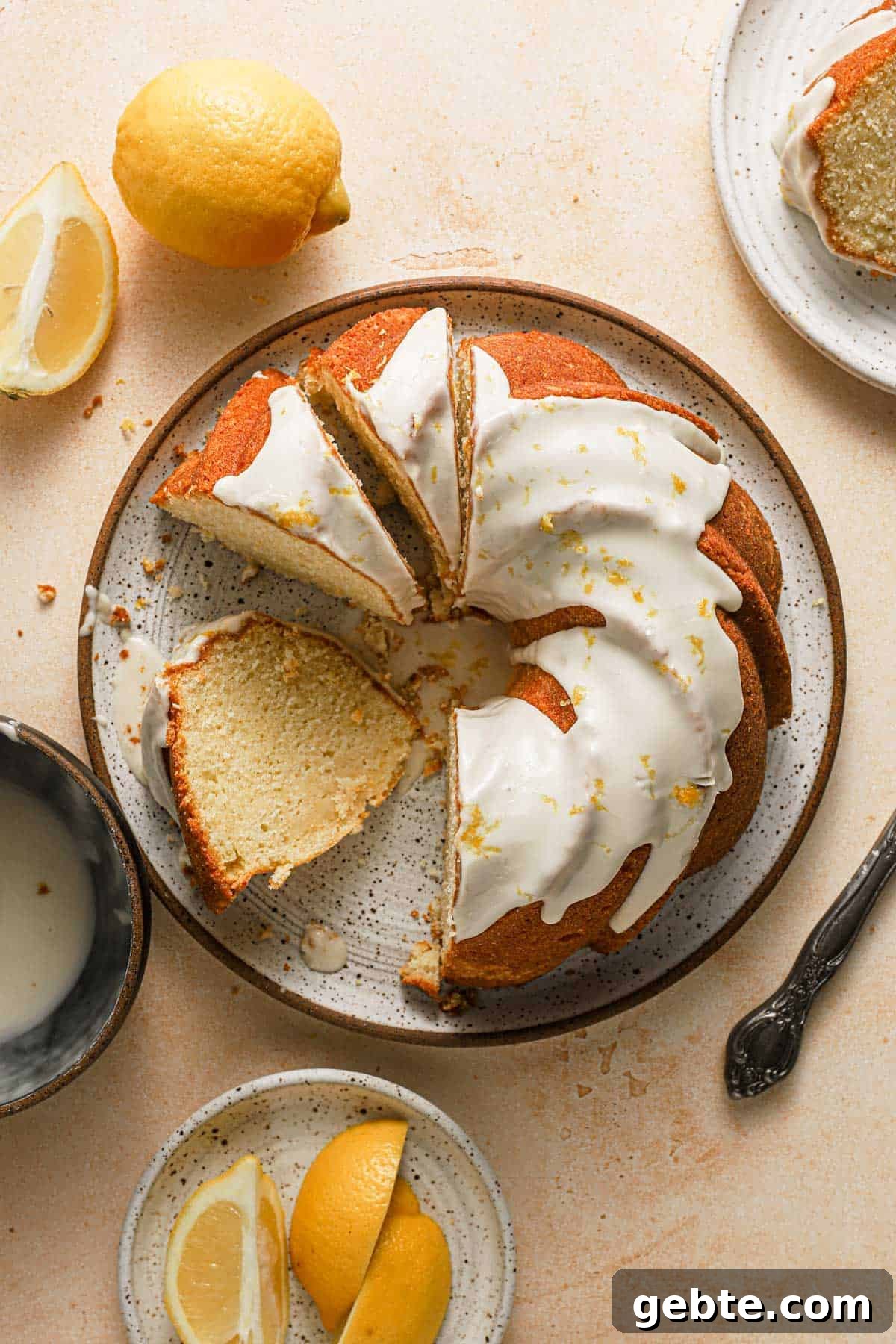
Lemon and orange pound cakes are longtime favorites in many kitchens. This limoncello version was created after I had leftover limoncello from another dessert and wanted to make something simple, unfussy, yet rich and festive. The liqueur brings an extra layer of citrus complexity and its acidity helps balance sweetness while contributing to a tender, short crumb.
Key Ingredients
The full recipe with exact measurements appears in the recipe card below. Here are the essential ingredients and suggested substitutions where appropriate.
- Unbleached all-purpose flour — ideal for this cake because it soaks up moisture and helps maintain a tender, moist crumb.
- Unsalted butter (softened) and olive oil — butter adds flavor and structure when creamed with sugar; olive oil adds moistness and a subtle Italian note that complements limoncello.
- Sour cream at room temperature — contributes richness and moisture. You can substitute buttermilk (see notes for conversion), though the texture will be slightly different.
- Limoncello liqueur — this gives the cake its distinct flavor. If you don’t have limoncello, you can use fresh lemon juice in the cake and syrup, but the unique liqueur aroma will be missing. Other citrus liqueurs may be used to experiment with flavor.
- Fresh lemon juice and zest — essential for bright, fresh lemon flavor. Zest especially lifts the aroma of the cake.
Make The Cake
This is a made-from-scratch pound cake that’s straightforward to prepare. The key to success is proper mixing and using room-temperature ingredients. Follow the steps below for reliable results.
- Bring all ingredients to room temperature: butter, eggs, sour cream, lemon juice, and limoncello. Cold ingredients won’t blend smoothly and can produce a dense, heavy cake.
- Use a rubber spatula to scrape the sides and bottom of the bowl periodically to ensure an even batter.
- Add dry ingredients in portions and finish mixing by hand with a spatula to avoid overmixing.
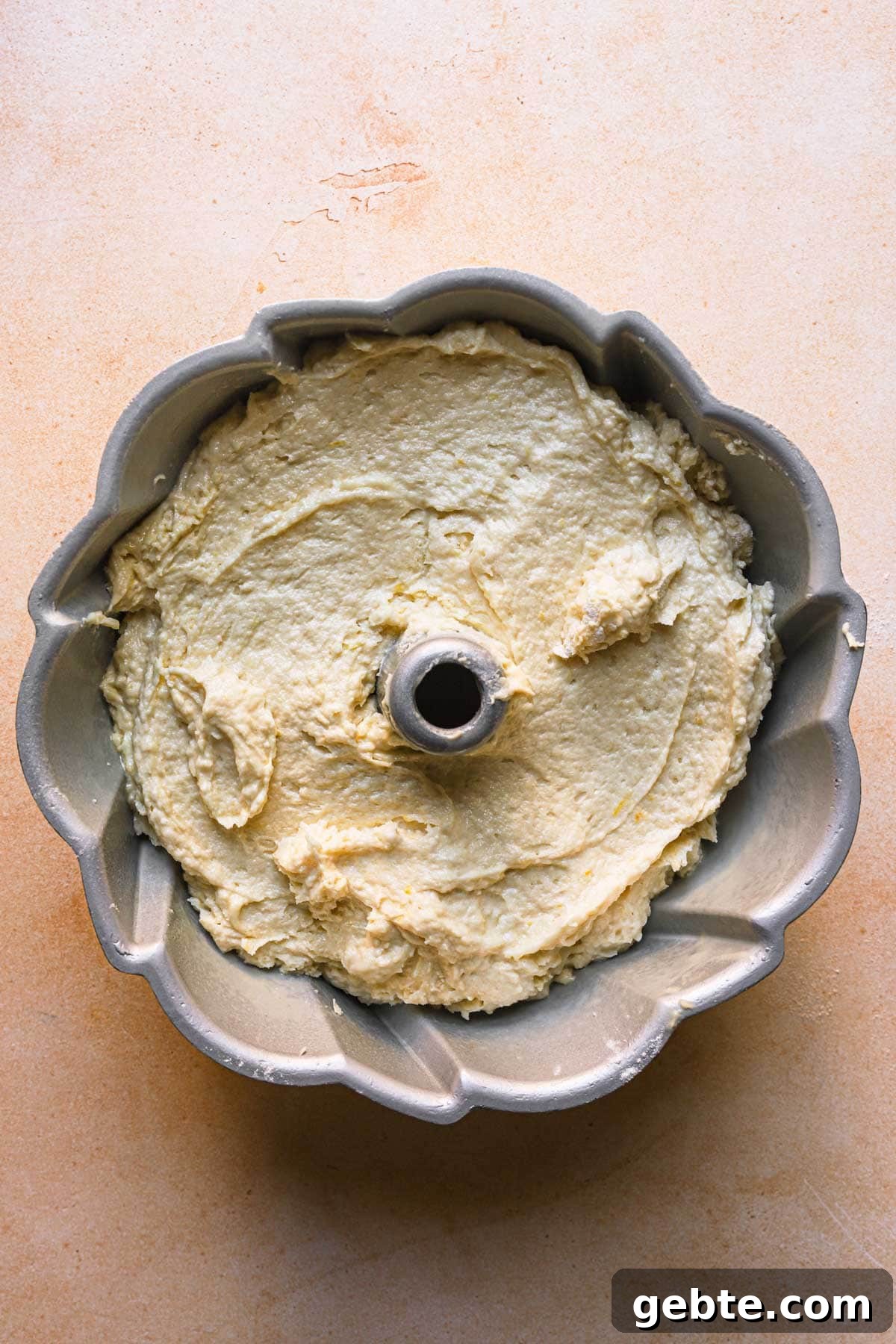
- Fill the bundt pan no more than three-quarters full—overfilled pans can lead to a compressed, dense cake.
- Allow the cake to cool in its pan until warm to the touch before inverting to avoid collapse or sticking.
Serving ideas
- If you don’t have limoncello, lemon juice or a splash of lemon extract can be used for the cake; for an alcohol-free option, use only lemon juice.
- Serve slices with lemon curd, lightly sweetened whipped cream, or mascarpone frosting for a richer dessert.
- For children or those avoiding alcohol, omit limoncello in the glaze and use lemon juice instead. The alcohol in the batter mostly cooks off during baking.
Storing and Freezing
Store leftover limoncello pound cake in an airtight container at room temperature for up to five days. To freeze, wrap the cake tightly in plastic wrap and place it in a freezer bag or foil for up to three months. Thaw at room temperature, then re-glaze if desired.
Limoncello Pound Cake | Made From Scratch
Ingredients
For the cake
- 3 Cups (360g) Unbleached all-purpose flour
- 3 teaspoons Baking powder
- 3/4 Cup (180ml) Sour cream or milk at room temperature
- 1/4 Cup (60ml) Limoncello liqueur
- 1 tablespoon Lemon juice (about 1/2 lemon)
- 4 Large eggs, at room temperature
- Zest of two lemons
- 1 Cup (225g) Unsalted butter, soft
- 1/3 Cup (80ml) Olive oil or vegetable oil
- 1 3/4 Cups (350g) Sugar
For the glaze
- 1 Cup (120g) Powdered sugar
- 2–4 Tablespoons Limoncello liqueur or lemon juice, to reach desired consistency
Instructions
Make the cake
- Preheat the oven to 350°F (180°C). Grease a 10-cup bundt pan.
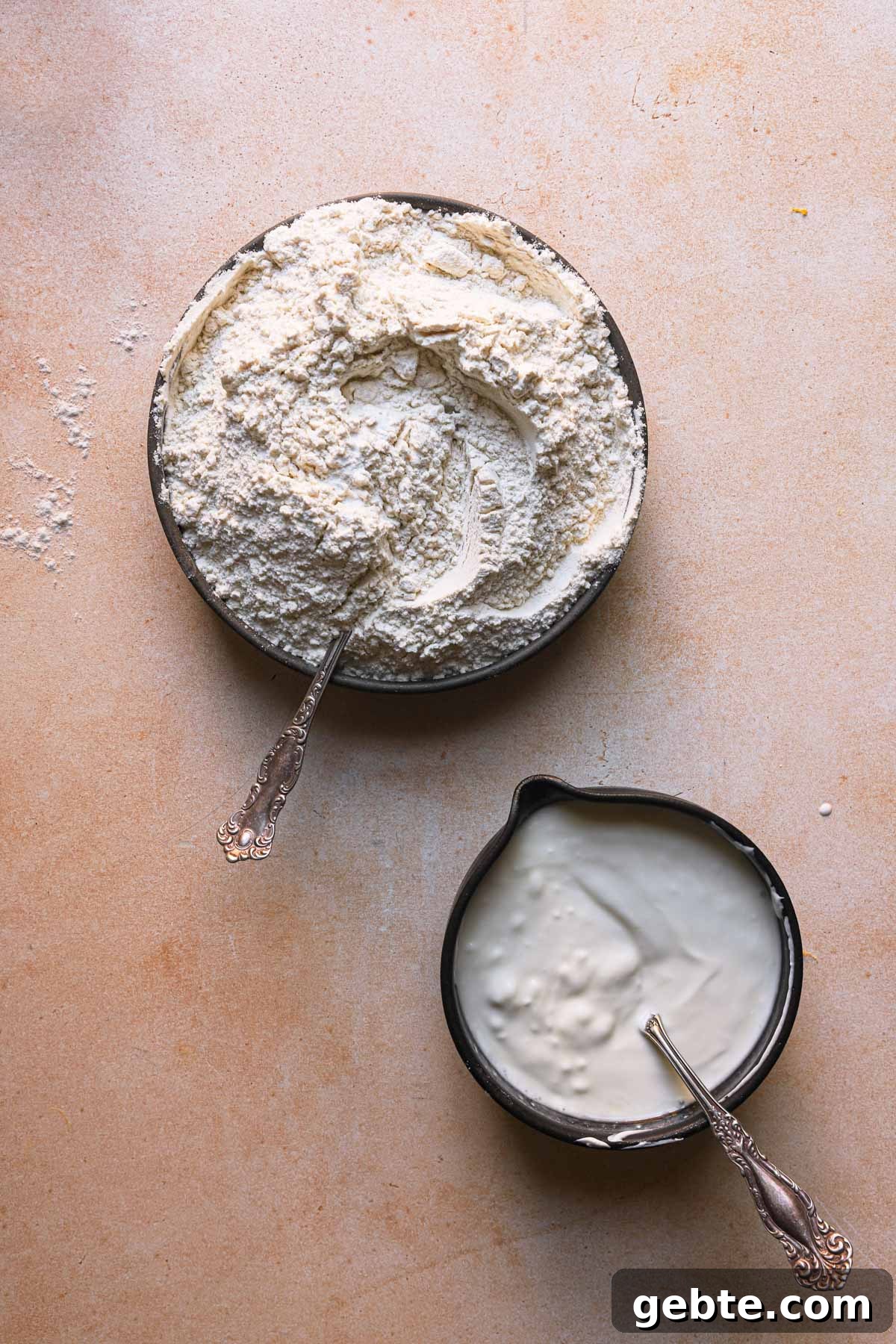
- Whisk together the flour (360g) and baking powder (3 tsp) in a medium bowl.
- Combine the sour cream (180ml), lemon juice (1 tbsp), and limoncello (60ml) in a measuring cup.
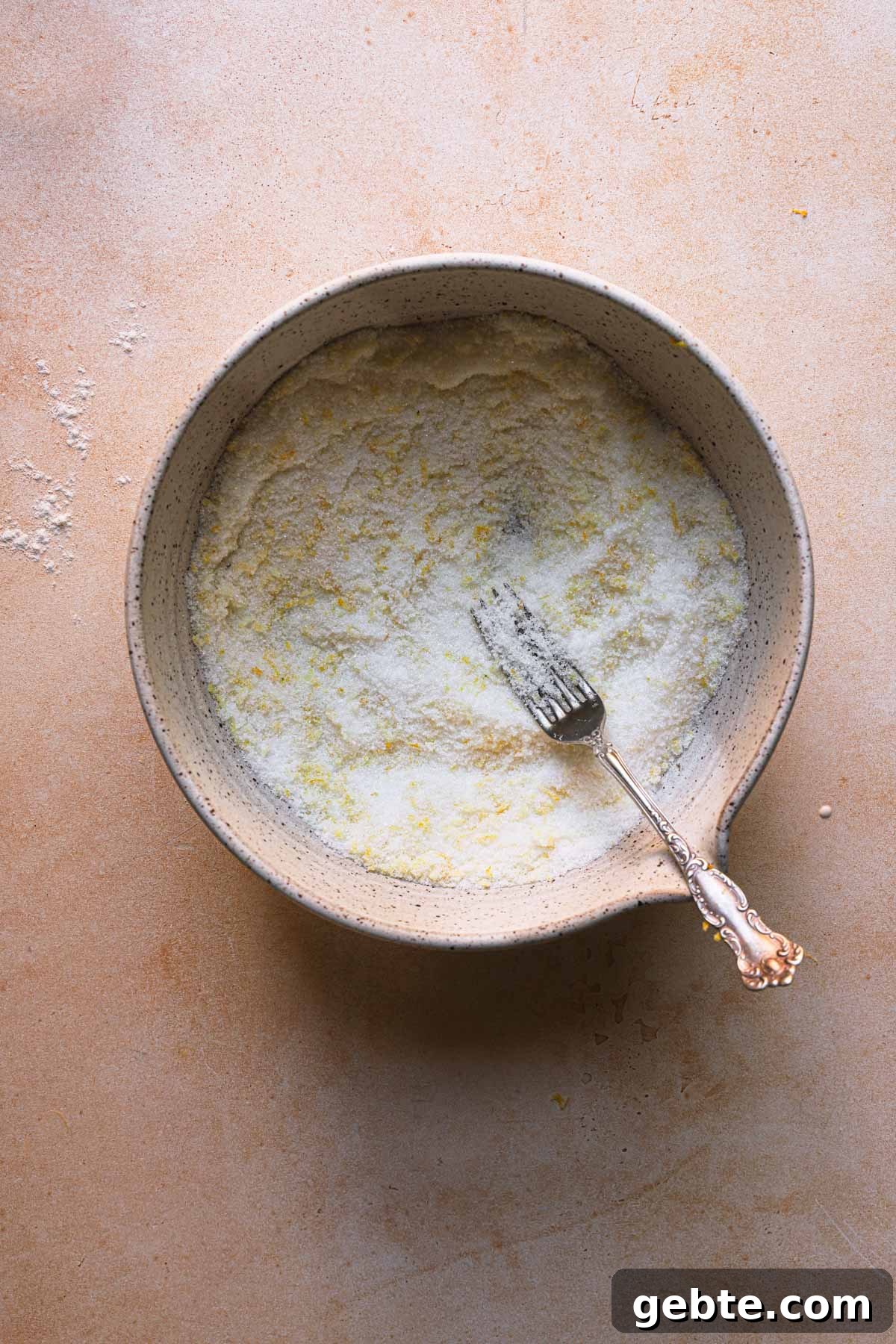
- Use a fork to rub the lemon zest into the sugar (350g) to release the oils and aroma.
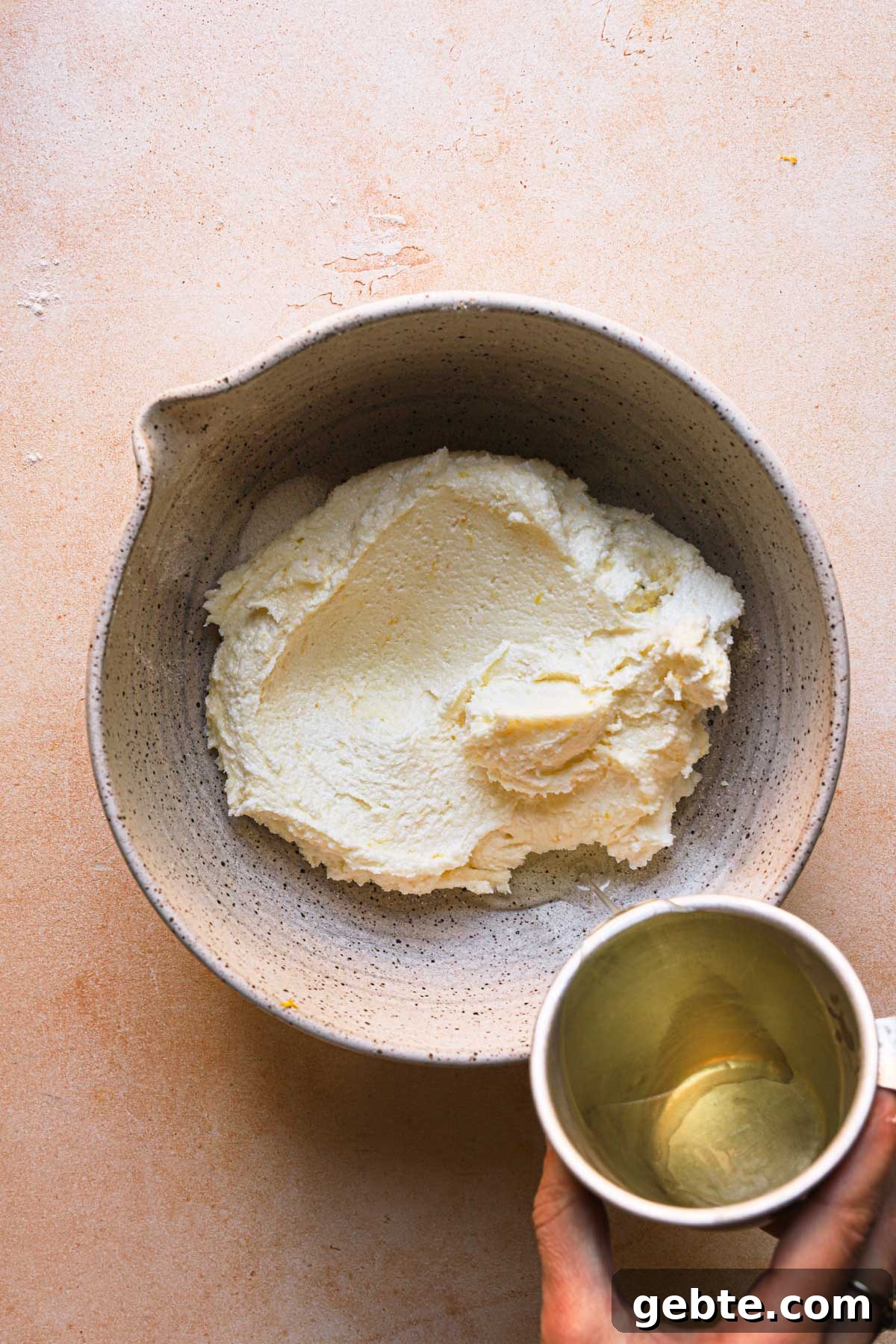
- Beat the sugar and softened butter (225g) at medium-high speed until light and fluffy, about 3–4 minutes. Scrape the bowl.
- With the mixer running, slowly drizzle in the oil (80ml) and mix until incorporated. Scrape the bowl again.
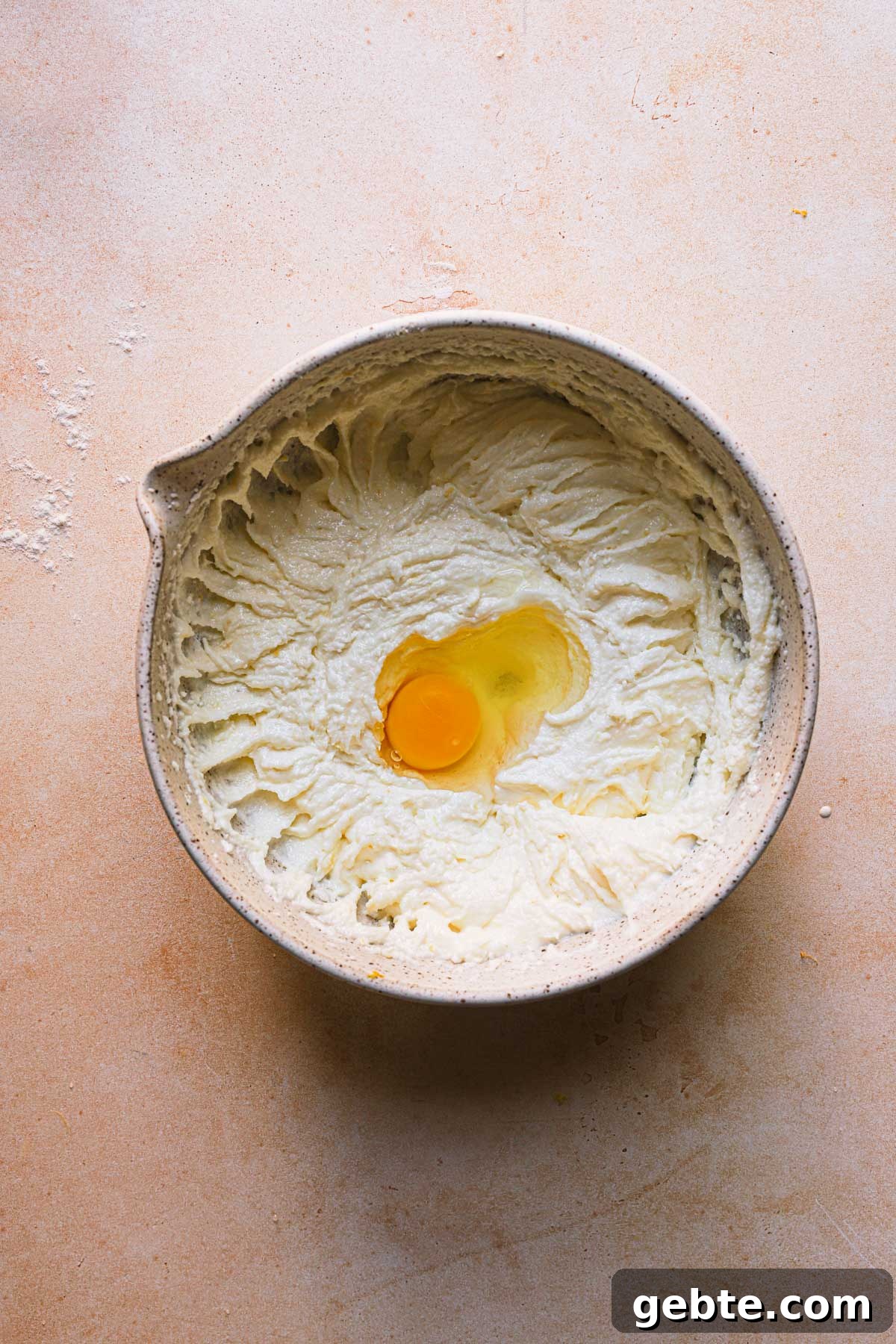
- Add the eggs one at a time at medium-high speed, allowing each egg to fully incorporate before adding the next.
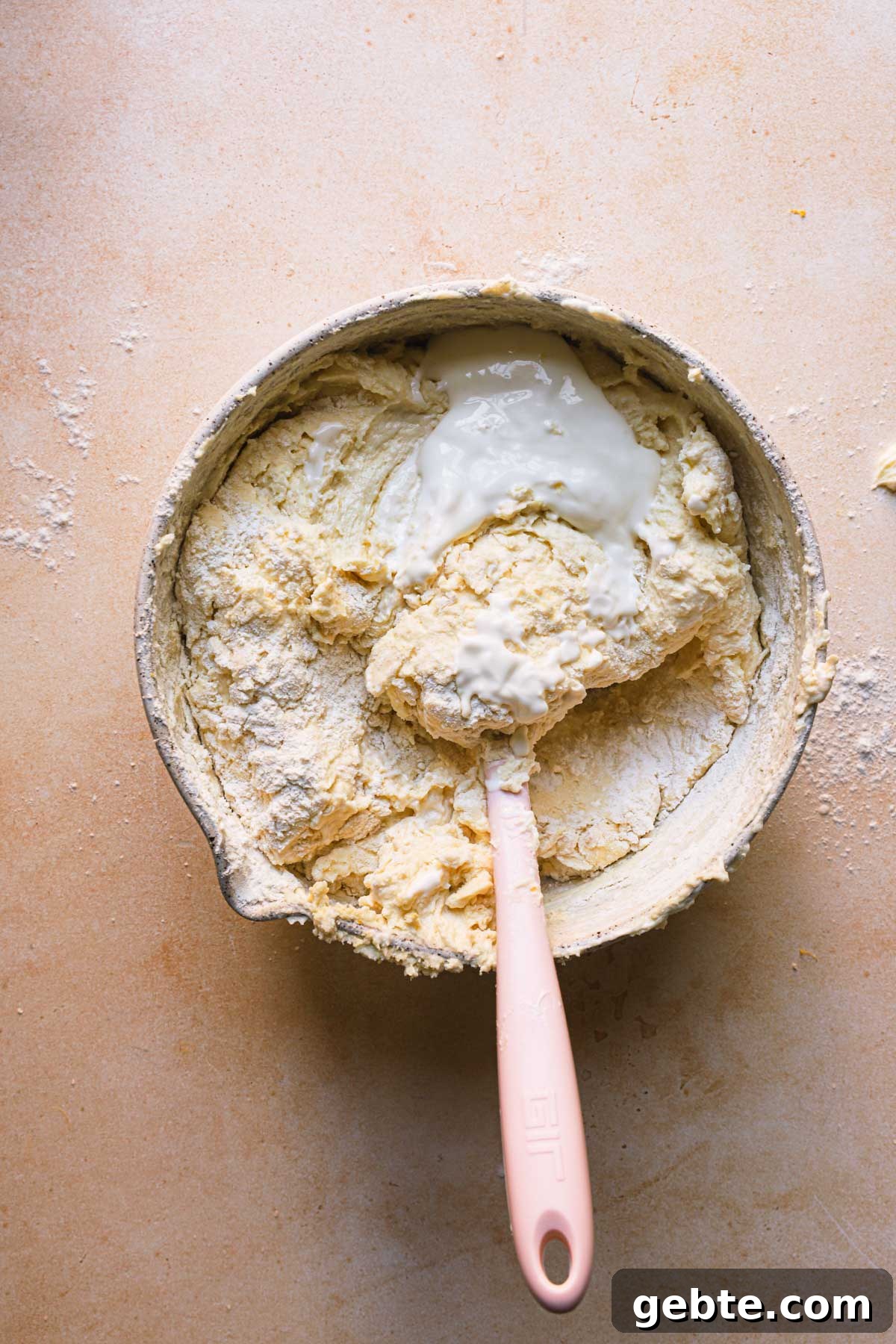
- Reduce mixer speed to low. Add the flour mixture in three additions, alternating with the sour cream mixture. Do not overmix—each addition should take only a few seconds.
- After the final flour addition, stop the mixer and fold any remaining streaks with a rubber spatula.
- Pour the batter into the prepared pan and bake on the middle oven rack for 50–55 minutes, or until a toothpick inserted into the center comes out with a few moist crumbs.
- Remove from the oven and let the cake cool in the pan for 15–20 minutes, then invert onto a wire rack to cool completely.
Make the glaze
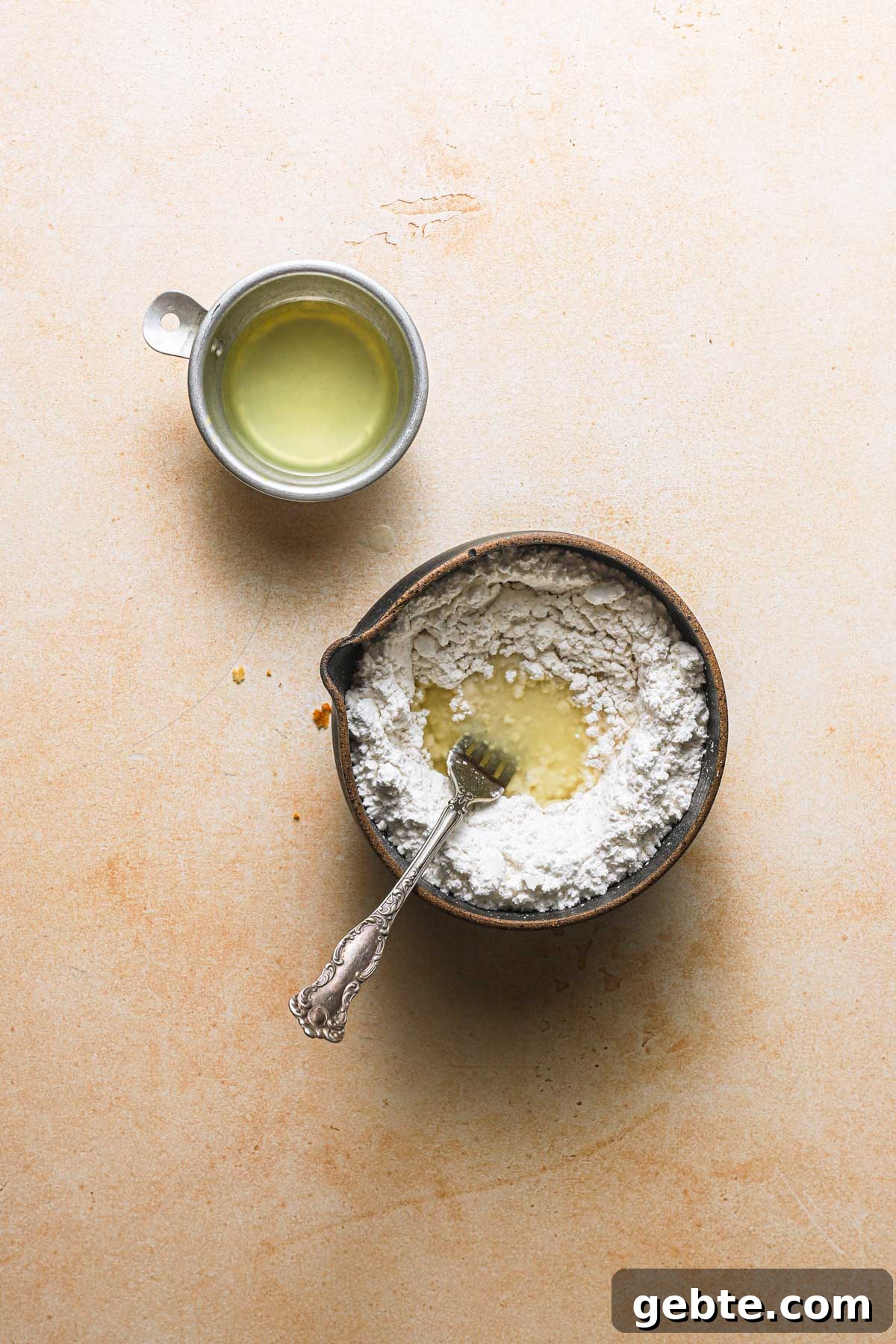
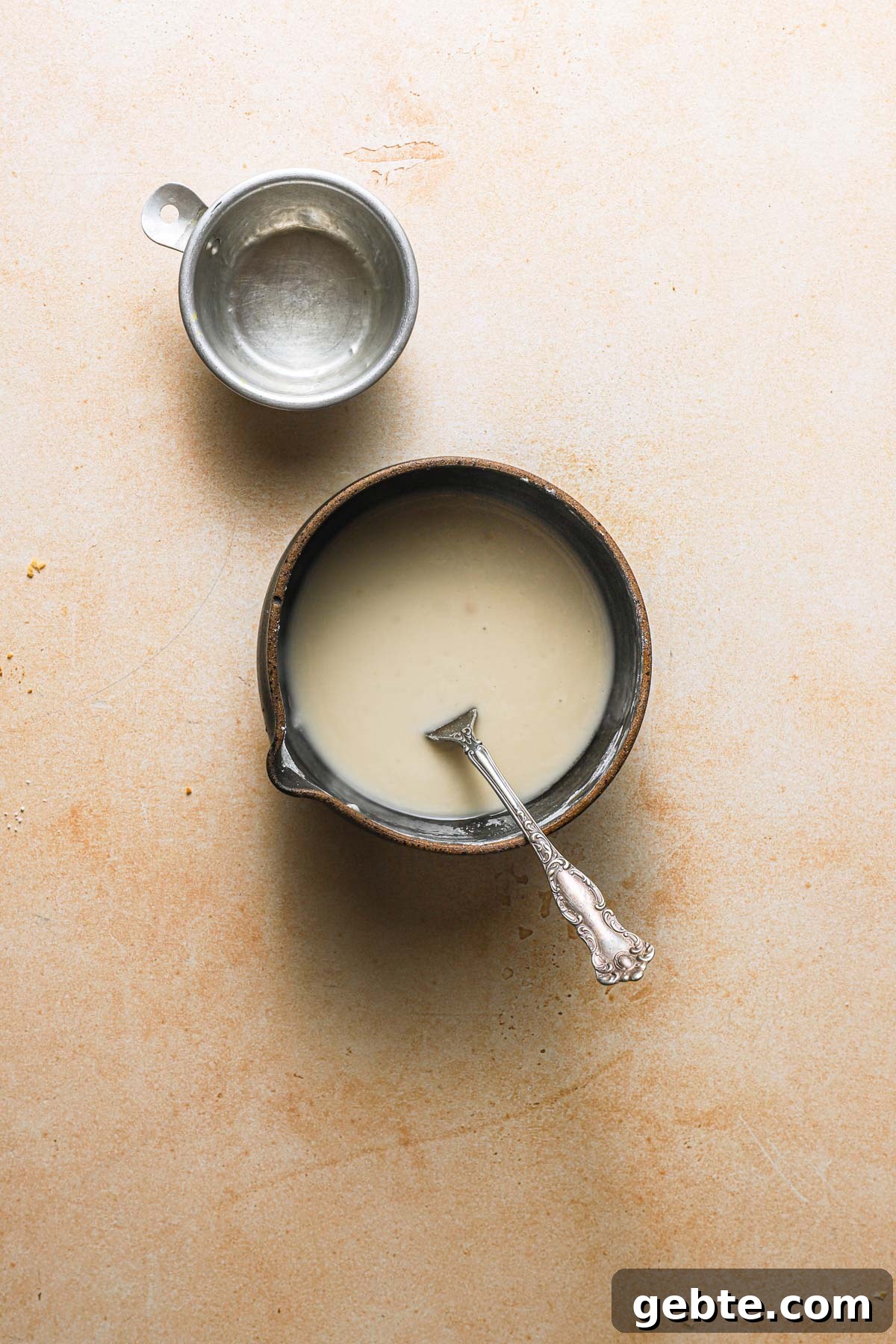
- Place the powdered sugar (125g) in a medium bowl. Add limoncello or lemon juice one tablespoon at a time until the glaze reaches a pourable but thick consistency.
- Drizzle the glaze over the completely cooled cake. Let the glaze set before slicing and serving.
Notes
- Use a kitchen scale for best accuracy. Room temperature ingredients are essential for an even batter.
- To substitute sour cream with buttermilk, use 150g buttermilk (about 2/3 cup minus 1 tablespoon).
- This recipe yields one 10-cup bundt cake or two 8–9 inch loaves lined with parchment.
- Brush extra limoncello simple syrup over the cooled cake for a more pronounced liqueur flavor.
- Garnish with fresh lemon zest or thin lemon peels for added color and aroma.
- If using the cake for children, replace limoncello in the glaze with lemon juice; the small amount of alcohol in the baked cake largely evaporates during baking.