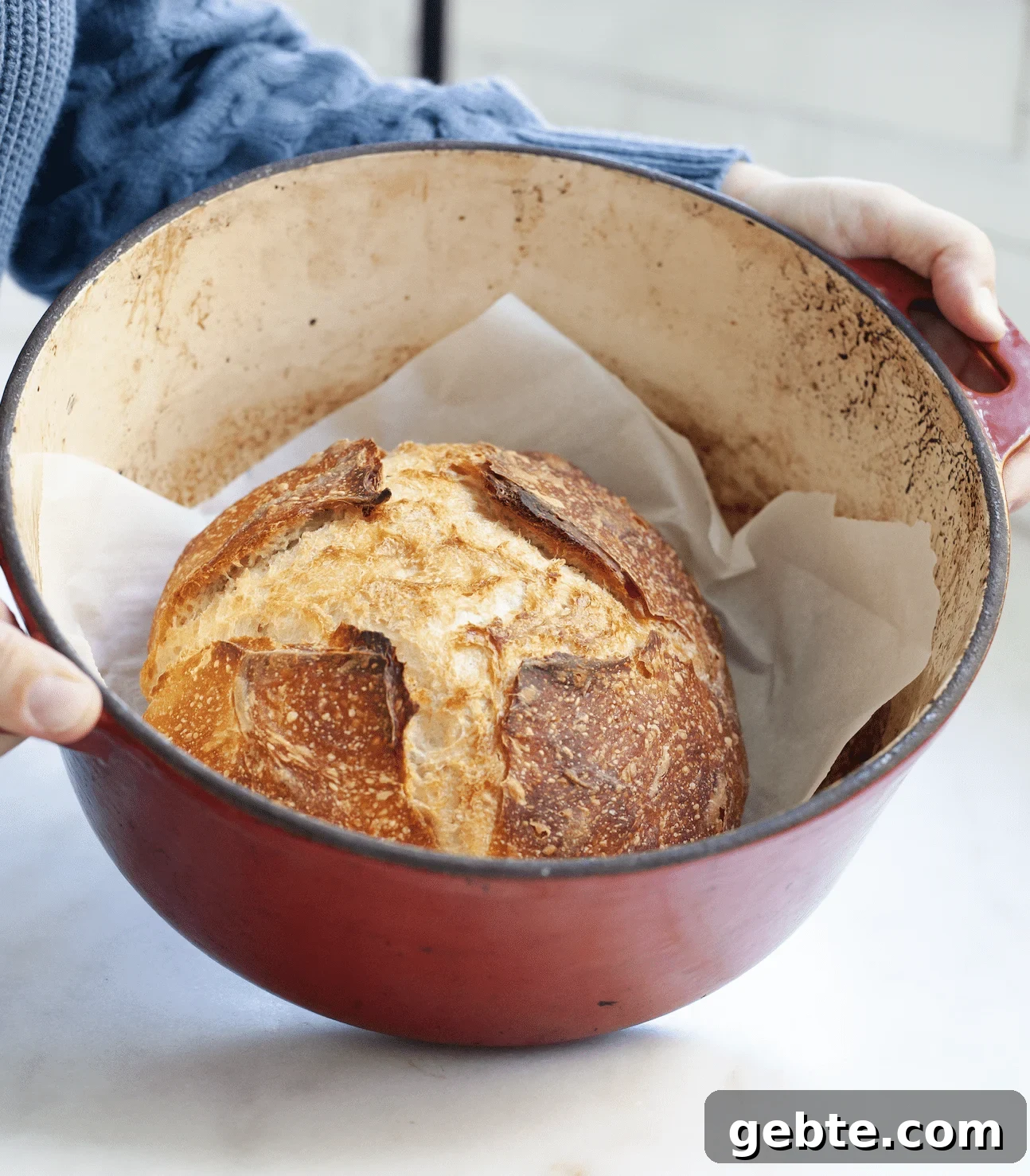
Sourdough baking isn’t about obeying a strict clock; it’s about learning the natural rhythm of the dough. When I first heard that sourdough often takes two days, I worried it would be too much for my busy life as a mom who already cooks from scratch. Then I tasted a loaf—and everything changed.
What surprised me most is that sourdough requires very little active time. Most of the process is hands-off while the dough ferments and develops flavor. Once you learn the rhythm, it fits into a normal day. After more than a decade of baking, I still think it’s the best bread you can make at home.
Below I’ll outline a practical sourdough timeline and show how to make it work with your schedule.
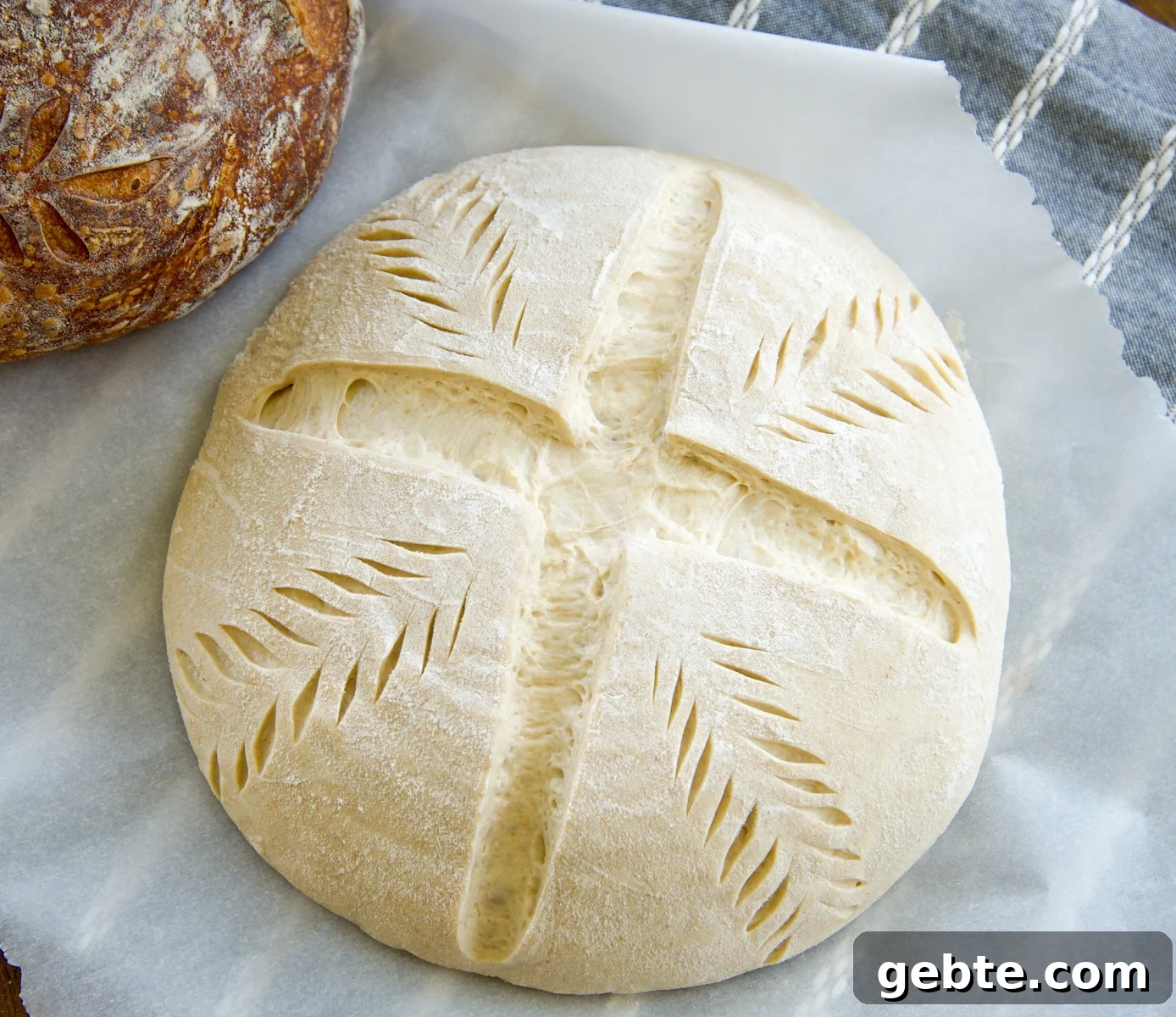
What Actually Happens When You Make Sourdough
Sourdough can seem technical, but it follows a predictable sequence. Once you understand each stage and how factors like temperature and starter activity affect timing, the process becomes straightforward.
Here are the main stages of a typical sourdough timeline:
1. Feed Your Starter
Begin by feeding your starter so it becomes active enough to leaven the dough. A lively starter provides the rise and flavor your bread needs.
2. Mix the Dough
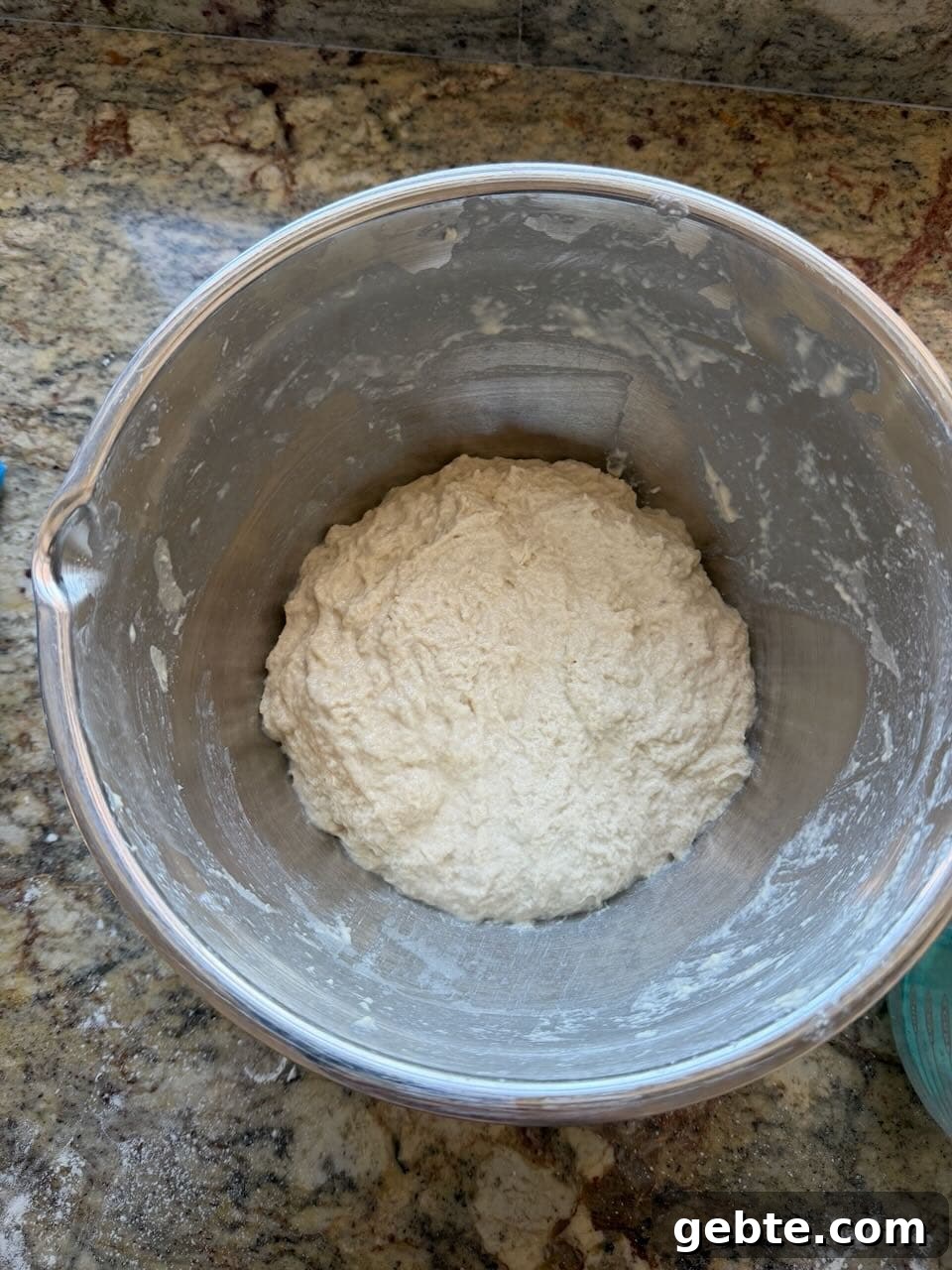
Combine flour, water, starter, and salt into a shaggy dough. This is when fermentation starts and the dough begins to develop structure.
3. Bulk Fermentation
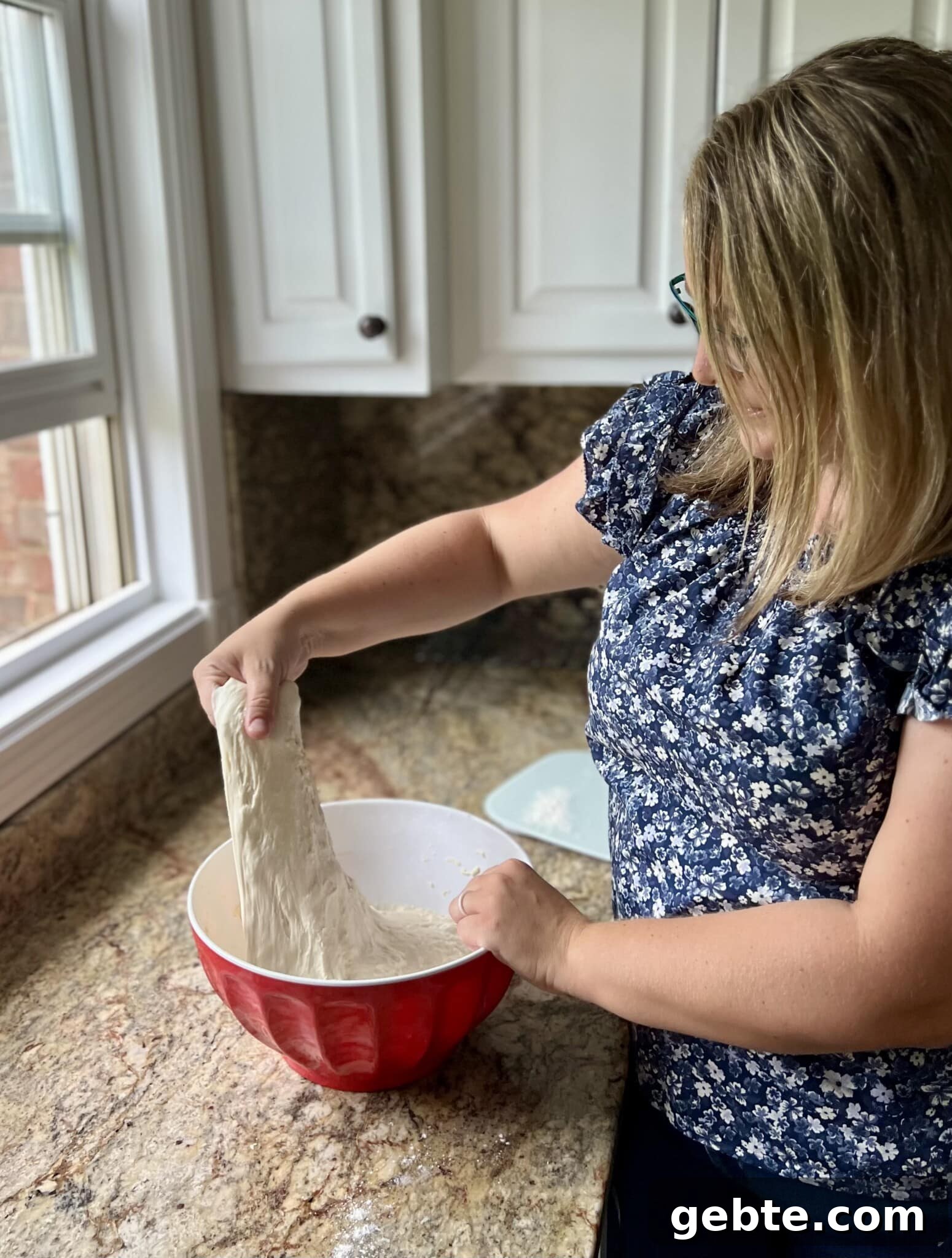
This is the longest, mostly hands-off stage. You’ll do a few rounds of stretch-and-folds early on instead of traditional kneading, then let the dough rest and rise as it ferments.
4. Shape the Dough
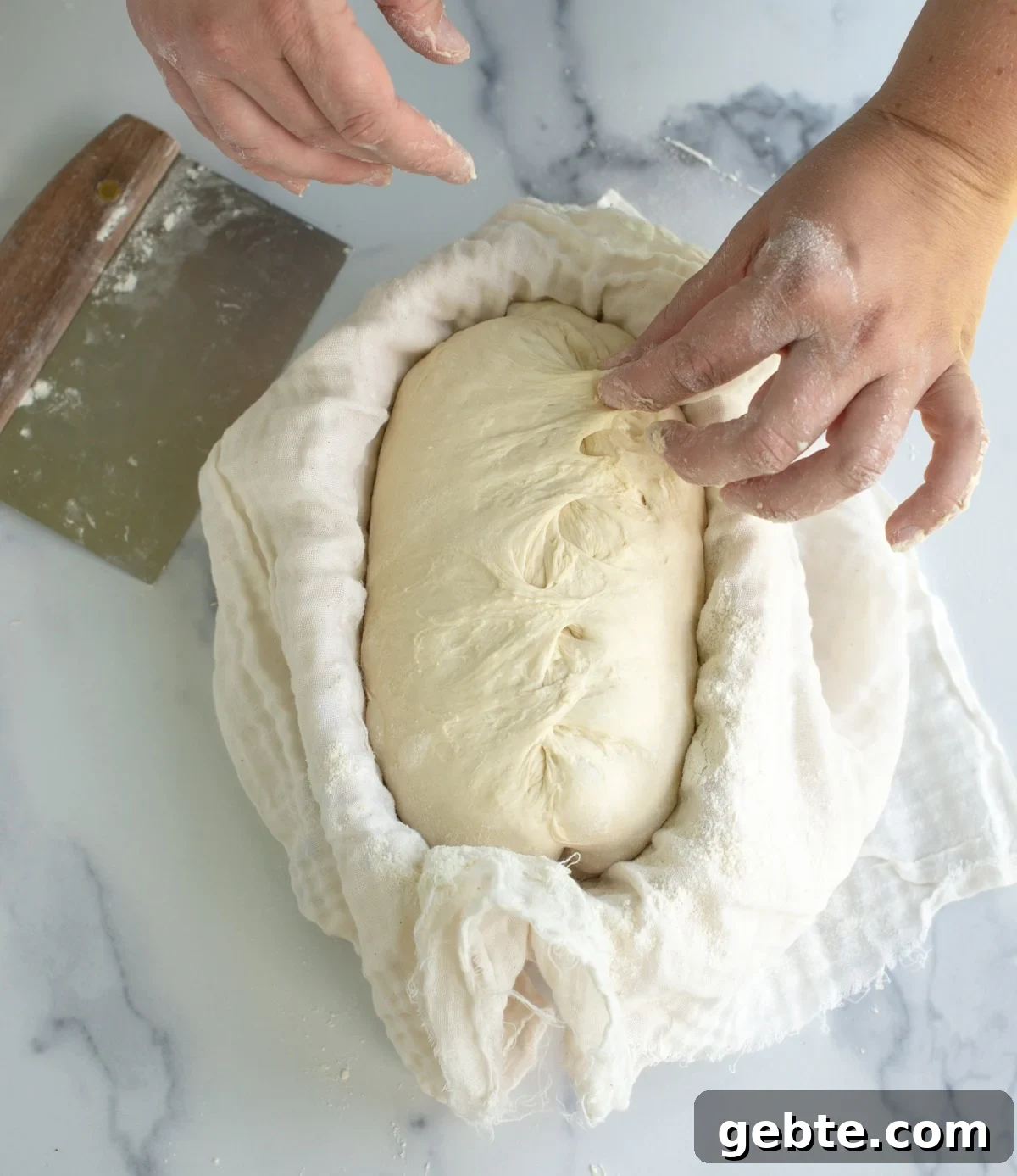
After bulk fermentation, shape the dough and place it in a bowl or banneton (proofing basket) to help it hold form during the final rise.
5. Final Proof (Rise)
The shaped loaf rests again, often in the refrigerator overnight to slow fermentation and deepen flavor. You can also proof at room temperature if you prefer a faster schedule.
6. Bake the Sourdough Bread
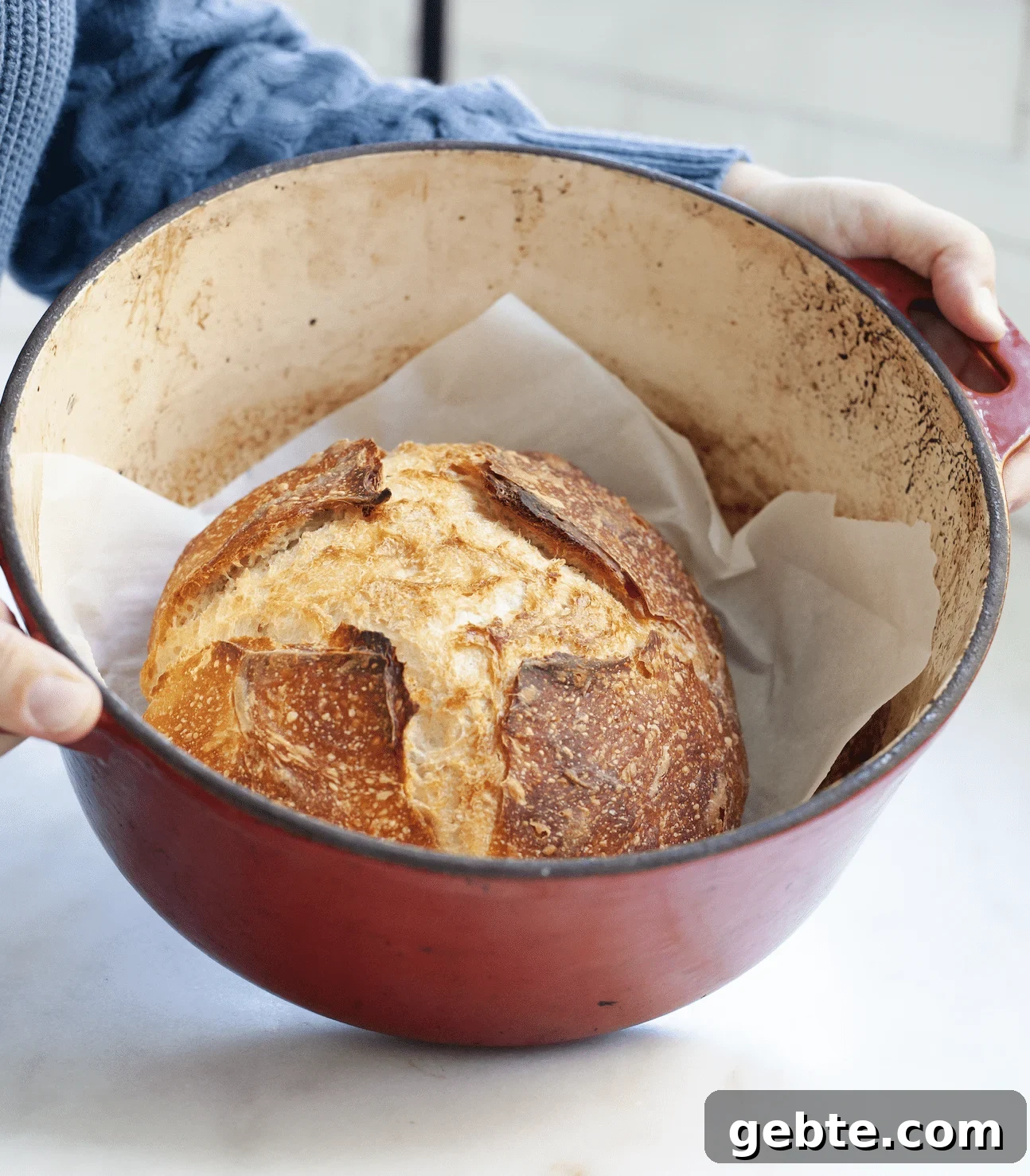
Bake in a hot oven with steam; a lidded Dutch oven is a great tool for home bakers because it traps steam and helps develop a crisp, glossy crust.
Although a loaf may span one or two days, your active involvement totals only a few short sessions. Visual and tactile cues at each stage tell you when to move on—more useful than rigid timings.
Why Sourdough Isn’t as Time-Consuming as You Think
Sourdough is forgiving. It’s designed to rest, ferment, and develop flavor over time. Early loaves may be imperfect, but that’s part of learning.
The process shouldn’t dominate your life. You don’t need to babysit the dough; most of the time it’s simply rising in the background while you handle daily tasks—school runs, errands, work, or family time.
Once you accept that sourdough involves checking in at a few key moments rather than constant attention, it becomes manageable. Temperature and starter activity are the main variables to watch; they determine how quickly your dough moves through each stage.
A Real-Life Sourdough Timeline
Timings vary, but here’s a practical schedule I use frequently. Aim for a main 4–5 hour window to mix, perform stretch-and-folds, and shape before the final proof. The rest can happen around your day.
My Go-To Sourdough Schedule
Night Before
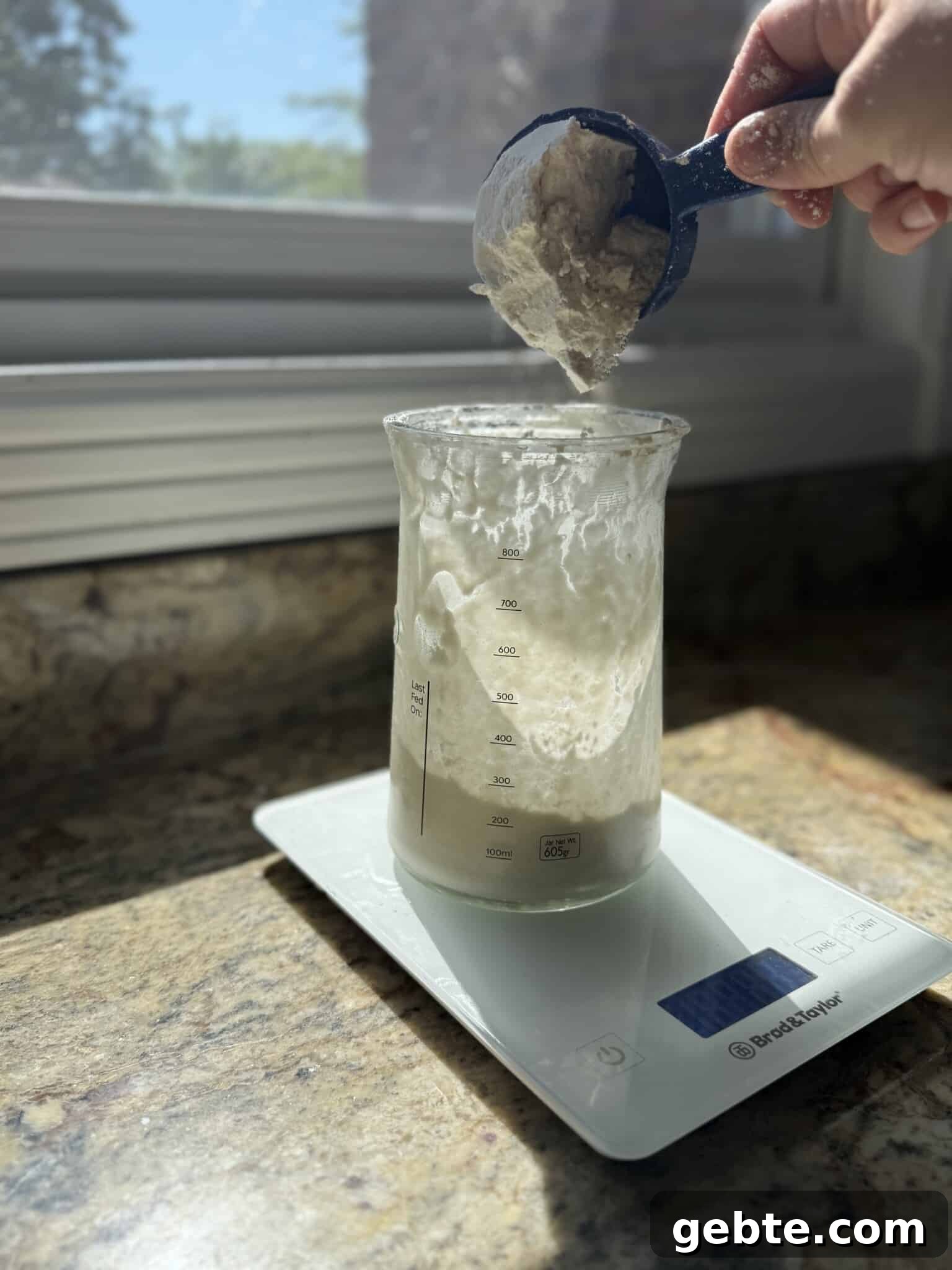
Build a levain or feed your starter and let it activate overnight. Alternatively, feed your starter the morning you plan to bake if that fits better.
Morning
Mix the dough and let it rest.
Morning to Midday (Main Window)
Do a few stretch-and-fold sets, then allow bulk fermentation to proceed. Most of this time is hands-off, but check the dough occasionally.
Midday
Shape the dough and refrigerate for the final proof, or leave it at room temperature to bake later the same day if you want a fresh loaf by dinner.
Next Morning
Bake directly from the refrigerator for a well-developed flavor and a good oven spring.
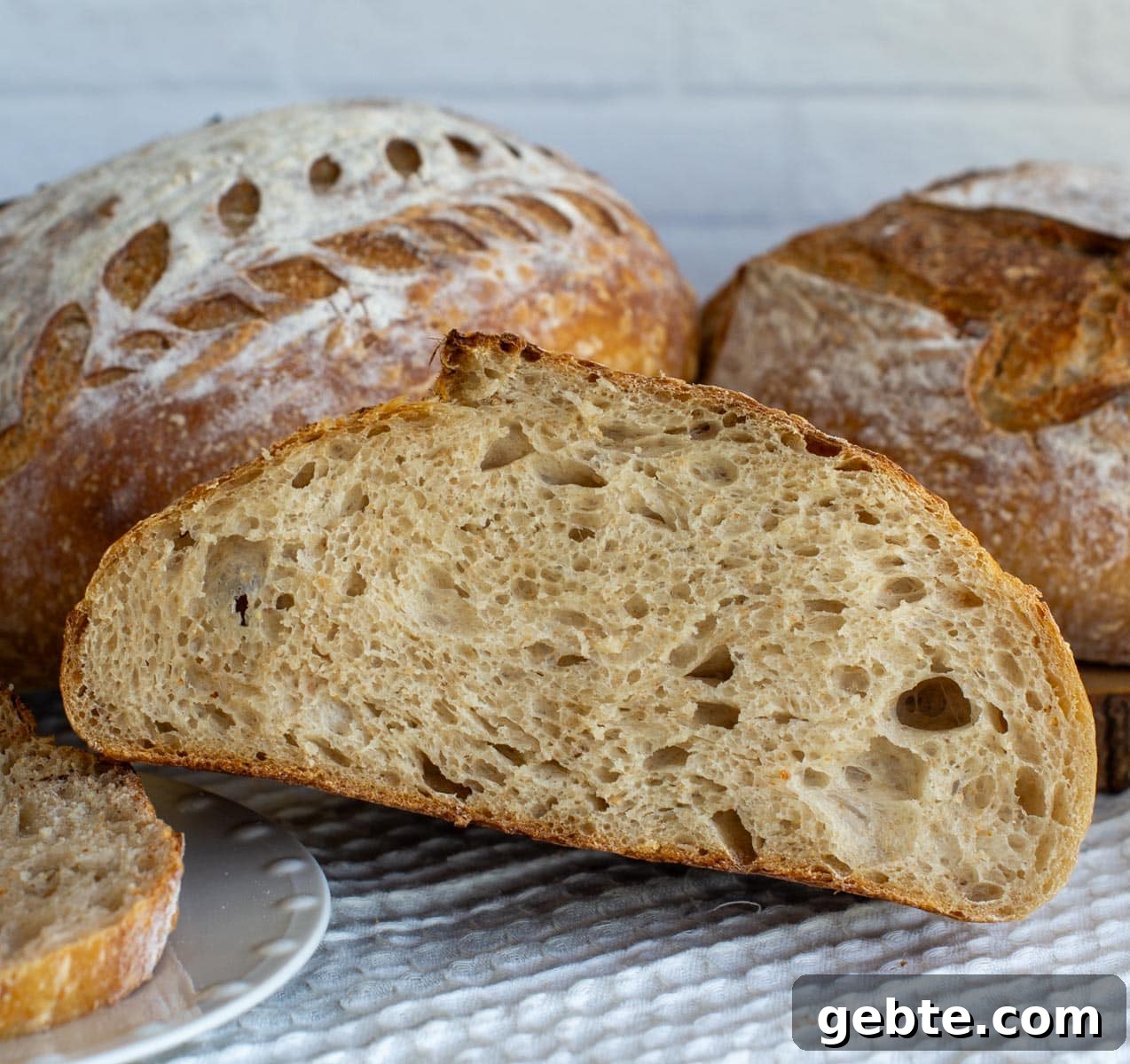
This is the routine I return to most often, but it’s flexible. You simply need a workable window to handle the active steps and let the rest occur around your life. Many recipes include suggested baker’s schedules if you prefer a structured plan.
What to Look For at Each Stage
Visual and tactile signs matter more than the clock. During bulk fermentation the dough should appear puffed, show bubbles, and feel lighter and more elastic. It may jiggle slightly in the bowl. Warmer conditions speed fermentation; cooler conditions slow it.
After shaping, during the final proof, the dough should hold shape but feel relaxed and airy. A gentle press should slowly spring back. These cues help you decide when to move on regardless of specific minutes or hours.
Other Ways to Make This Work
If You Work During the Day
Shift your main 4–5 hour active window to the evening. Feed your starter or build a levain in the morning, mix and do stretch-and-folds after work, shape before bed, then bake the next day. If timing is off, refrigerate the dough to pause progress.
If You Want a Slower Schedule
Slow fermentation by lowering the dough temperature or using less starter. Reducing starter percentage—say from 20% to closer to 10%—will lengthen the rise and give you more flexibility.
If You Prefer Weekend Baking
Spread the process across several days: feed the starter Friday night, mix and work the dough Saturday, and bake Sunday. This approach lets you enjoy baking without rushing.
A Flexible Timeline (Using the Fridge)
Refrigeration is an easy way to fit sourdough into a busy life. You can slow or pause bulk fermentation or the final proof in the fridge and resume when it suits you. Cold dough simply needs time to warm up and continue rising when returned to a warmer spot.
You can also tweak timing by changing starter percentage or dough temperature. Adjusting those variables gives you reliable control over schedule and fermentation speed.
There’s no single correct schedule. Learn the rhythm and adapt it to your life.
What Actually Matters (Not the Clock)
Sourdough success depends on observing your dough, not strictly following the clock. Even with exact ingredients and steps, differences in starter strength, dough temperature, or flour behavior will change how the dough acts.
Focus on three key factors:
Your starter
Use an active, bubbly starter. A weak or dormant starter will slow or prevent proper fermentation.
Temperature
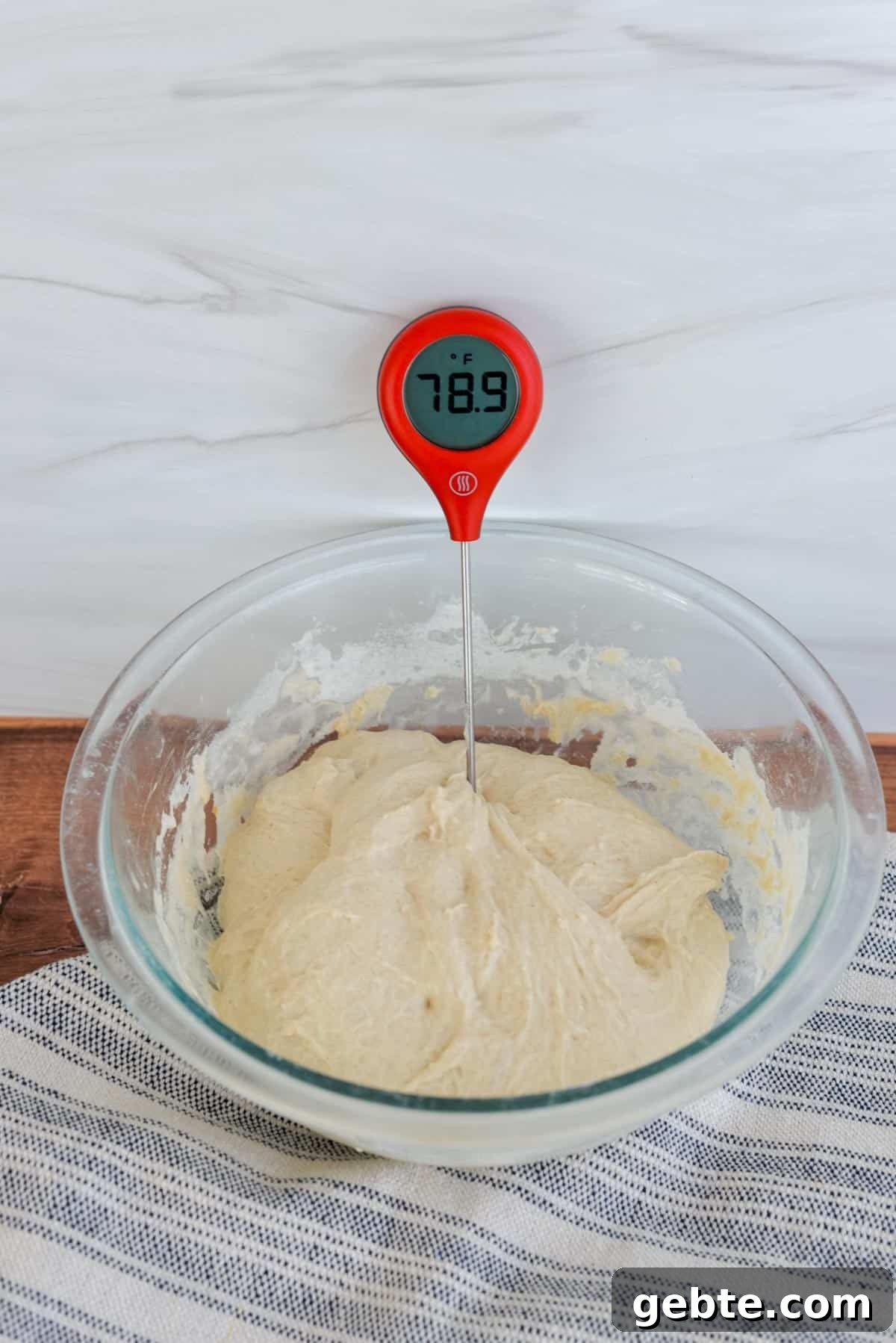
Dough temperature has a major impact: warmer dough ferments faster, cooler dough takes longer. Small temperature changes can change timing significantly.
How your dough looks and feels
Look for a dough that’s puffed, airy, and responsive—signs the fermentation has produced gas and structure.
When you prioritize these signs over a strict schedule, sourdough becomes flexible and forgiving.
Common Timeline Mistakes
Some mistakes that commonly disrupt timing include:
- Starting with a weak or inactive starter
- Stopping bulk fermentation too early
- Overproofing overnight without adjusting starter amount or temperature
- Relying solely on the clock instead of observing the dough
These are easy to correct as you gain experience and learn to read your dough.
Where to Go Next
When you’re ready to practice, start with a basic sourdough guide and build from there. Practice feeding and maintaining your starter, learn to read its activity, and follow simple recipes to gain confidence.

How to Feed and Maintain a Sourdough Starter

When Is Sourdough Starter Ready to Use? Easy Signs to Look For

Beginner Sourdough Bread

Classic Sourdough Bread
When you want more detail, look for resources that dig into bulk fermentation, shaping, and baking techniques. Troubleshooting bakes is also part of the process—each loaf teaches you something new. Remember: sourdough should fit your life, not the other way around.