
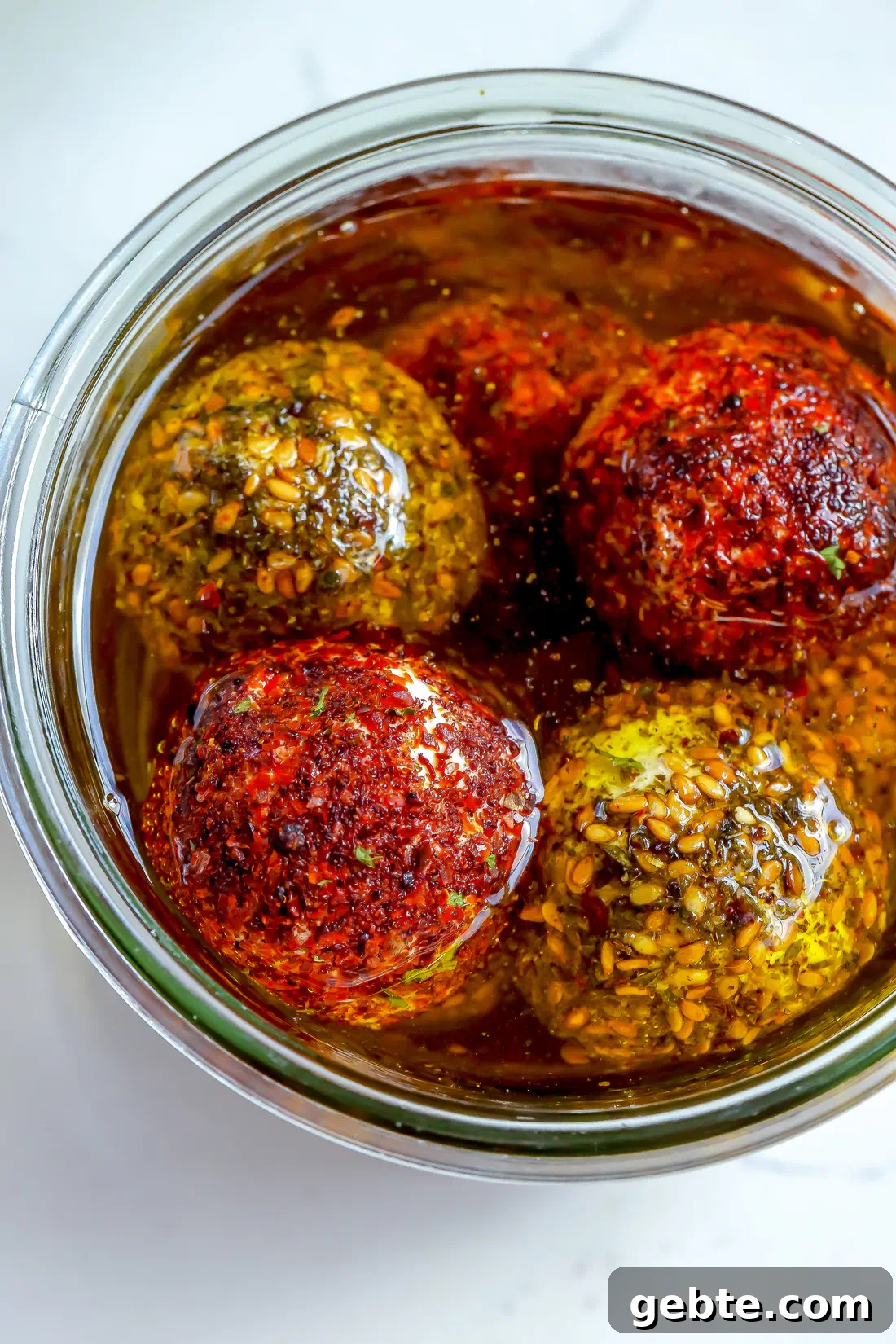
This homemade labneh uses just two ingredients and takes only minutes to prepare. You can serve it as a creamy spread, or roll it into labneh balls coated in za’atar and sumac for an easy, make-ahead Middle Eastern appetizer that’s perfect for spreading on warm pita.
About the Taste
Raised with Syrian family traditions, labneh was a daily staple in my home. If you haven’t tried plain labneh, expect to become addicted: it’s rich, savory and incredibly creamy with a bright, tangy bite that ordinary yogurt can’t match.
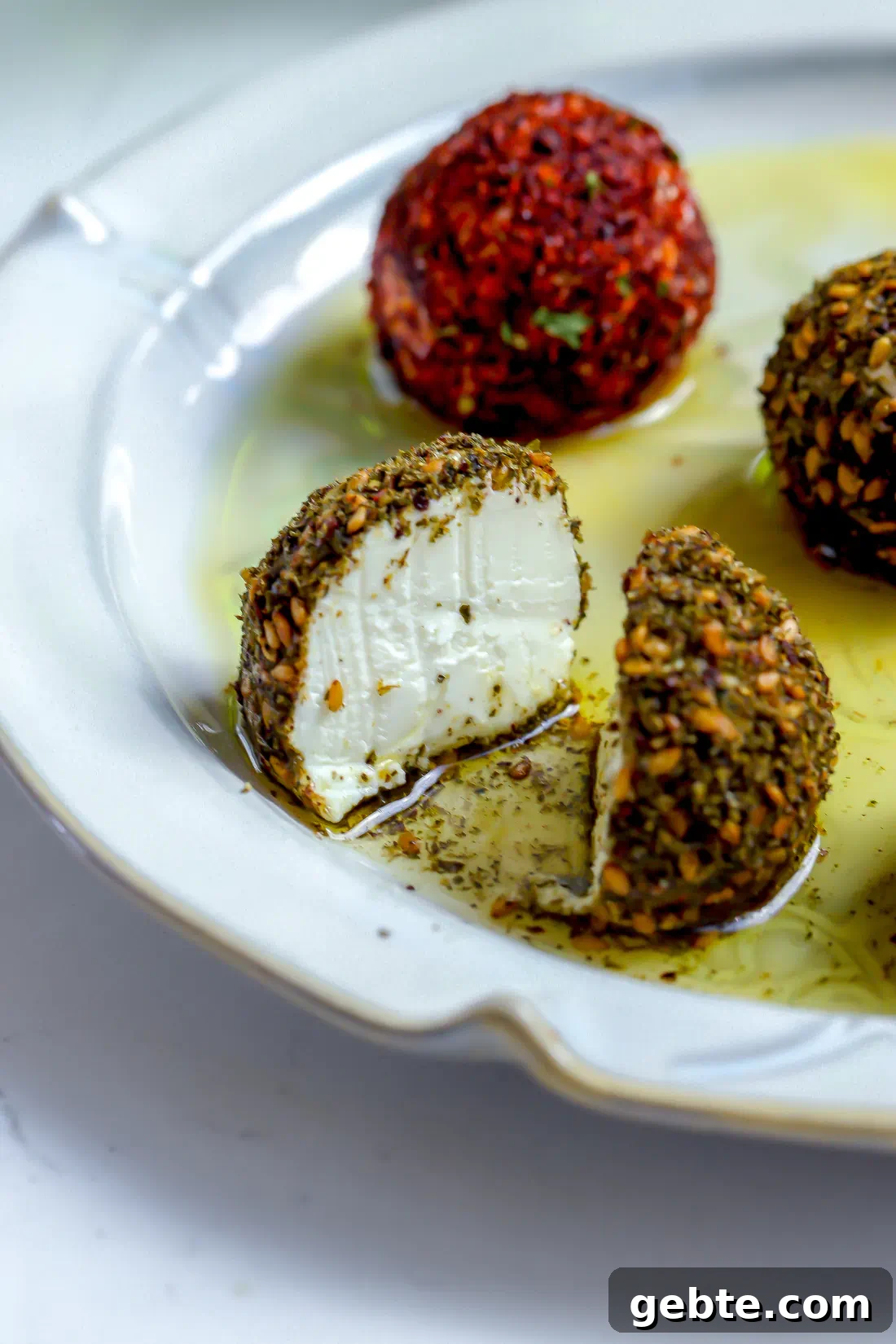
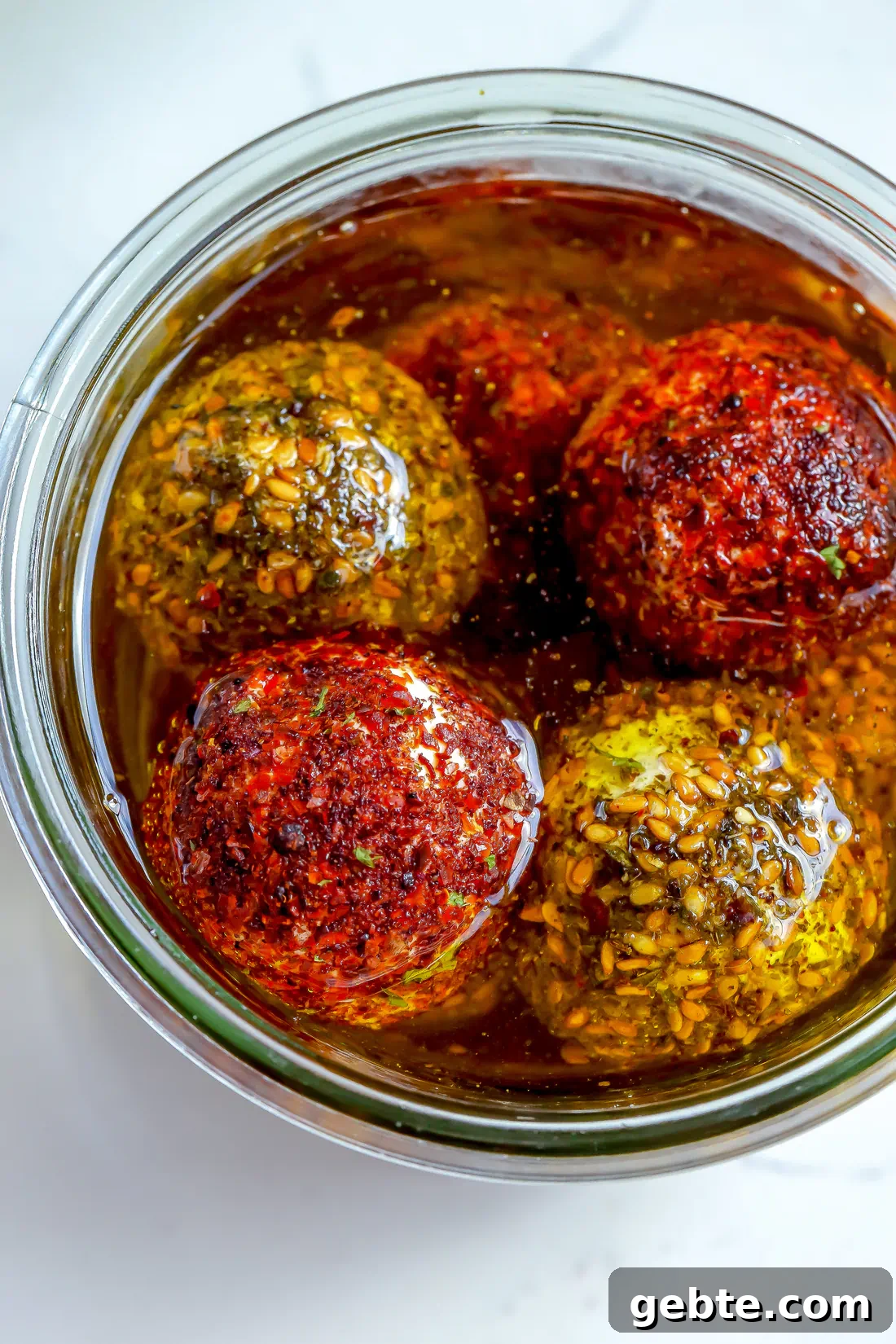
Rolling the thick labneh into small balls and coating them with nutty za’atar or tart sumac, then submerging them in olive oil, transforms it into a luscious appetizer. The oil helps the flavors meld and preserves the balls for several days. Spread the herbed, silky labneh on pita for an effortless, unforgettable bite.
Table of Contents
- About the Taste
- Watch the Video
- What is Labneh?
- How do I Serve Labneh?
- Make-Ahead and Storage
- Ingredient Swaps
- Similar Recipes
- Nadia’s Tips
- The Perfect Pairings
- Labneh Recipe FAQ
- Labneh Recipe
Watch the Video
What is Labneh?
Labneh is a strained yogurt cheese common in the Middle East. By removing almost all the whey from plain yogurt you get a dense, spoonable spread with the richness of cream cheese and a lively, tangy flavor that sets it apart from regular or even Greek yogurt.
How do I Serve Labneh?
Traditionally eaten for breakfast with pita, labneh is extremely versatile. Here are popular ways to serve it:
- Mezze centerpiece: Spoon labneh into a bowl, create swirls, and drizzle with good olive oil. Serve with warm pita, cucumbers, olives and roasted tomatoes.
- Labneh balls: Roll into bite-sized balls and coat in za’atar, sumac, or Aleppo pepper. Store submerged in olive oil for a grab-and-go snack or an elegant jarred appetizer.
- Vegetable base: Spread labneh on a platter and top with warm roasted vegetables—the contrast of hot, caramelized veg and cool, tangy labneh is delightful.
- Savory toast: Replace avocado with labneh on thick sourdough and top with soft-boiled eggs, chili oil, or fresh herbs.
- Protein swap: Use labneh instead of sour cream on tacos, or add a dollop to soups and stews for extra creaminess and flavor.
Make-Ahead and Storage
- Time matters: For firm labneh suitable for rolling, refrigerate for 48 hours. If you prefer a spreadable dip, 24 hours is usually enough.
- Cloudy oil is normal: Extra virgin olive oil can solidify and appear cloudy when cold. Remove the jar 30–45 minutes before serving so the oil returns to liquid clarity.
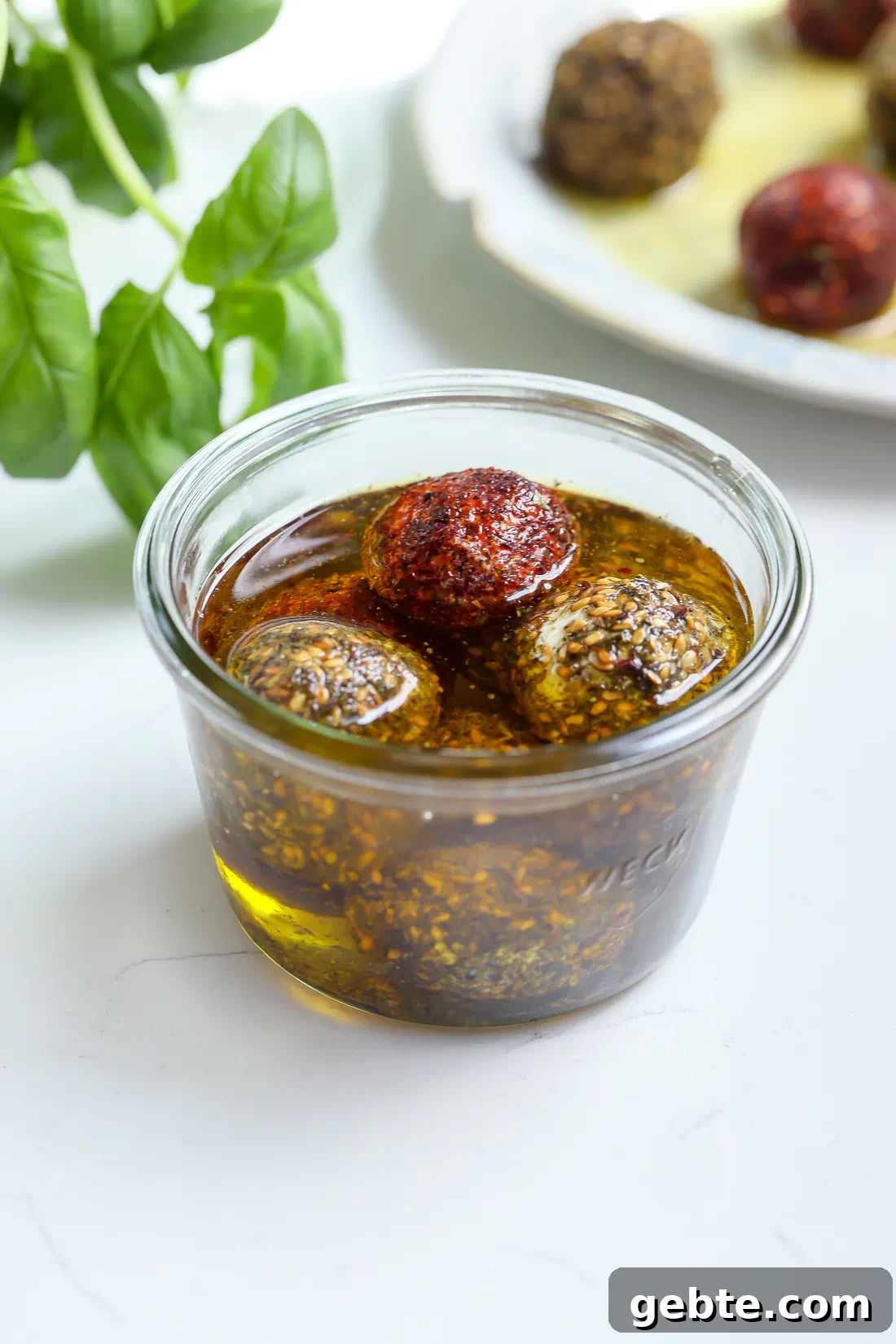
- Keep it submerged: Store labneh balls fully immersed in oil and refrigerated; this prevents air exposure and keeps them fresh for up to a week.
Want to save this recipe to your collection?
Ingredient Swaps
- Whole milk Greek yogurt: For a tangier, slightly funky result use goat yogurt or a creamy store-bought goat cheese as a shortcut.
- Za’atar: If unavailable, mix dried thyme, toasted sesame seeds, and a little salt to mimic the earthy, nutty profile.
- Sumac: Substitute fresh lemon zest and a pinch of flaky salt for a bright citrusy pop.
Similar Recipes
- Marinated goat cheese balls: A fast alternative when you don’t have time to strain yogurt; these are herb-forward and jarred in oil.
- Labneh dip variations: Roasted radishes, spicy herb oils or Mediterranean twists pair beautifully with crisp flatbreads.
- Mediterranean labneh dips: Bright versions with olive brine and lemon make elegant spreads for entertaining.
Nadia’s Tips
- Choose the right yogurt: Use plain whole-milk yogurt with only milk and live cultures. Avoid brands with thickeners (pectin, gums, cornstarch) which prevent proper straining.
- Don’t skip the salt: Salt helps draw out whey and seasons the labneh. Under-salting slows straining and affects texture.
- Avoid stickiness when rolling: Rub a little oil on your hands to form smooth, even balls without tearing.
- Dry vs. fresh herbs: Use dried spices like za’atar and sumac in the marinating jar—fresh herbs add moisture and can shorten storage life. Add fresh herbs as a garnish just before serving.
The Perfect Pairings
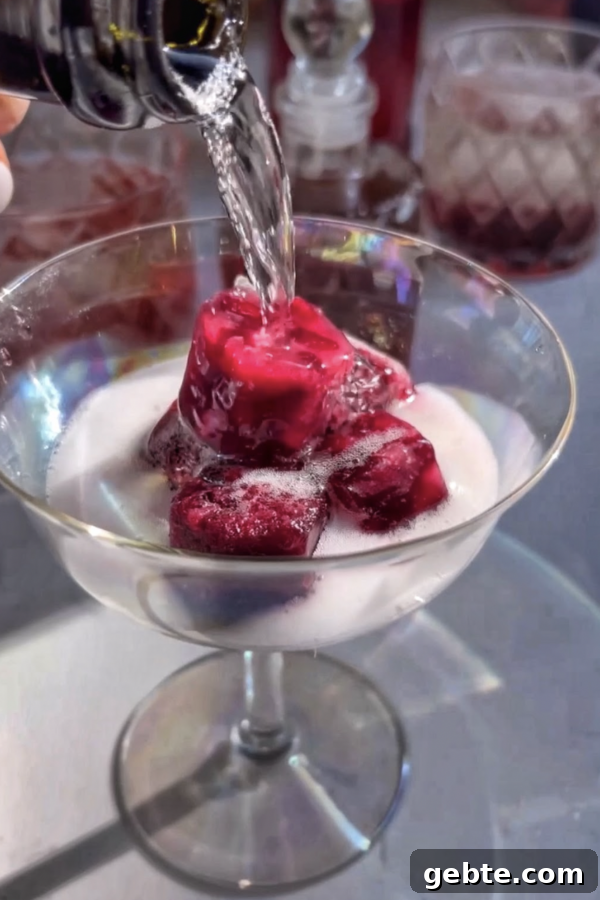
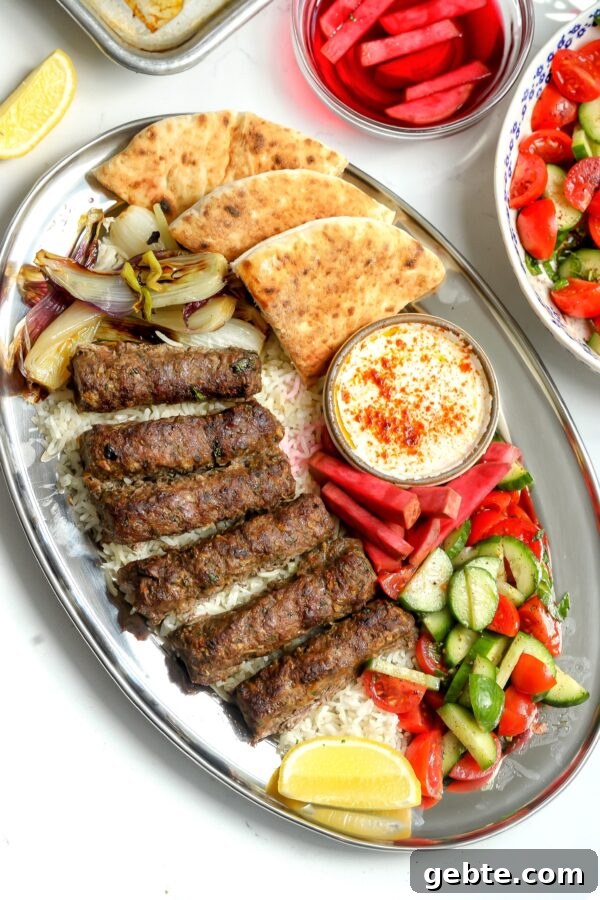
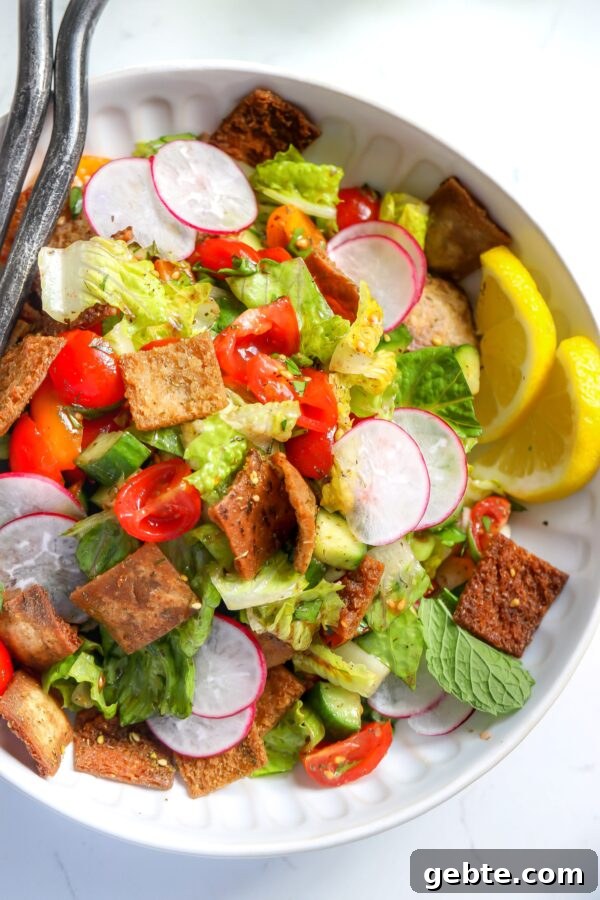
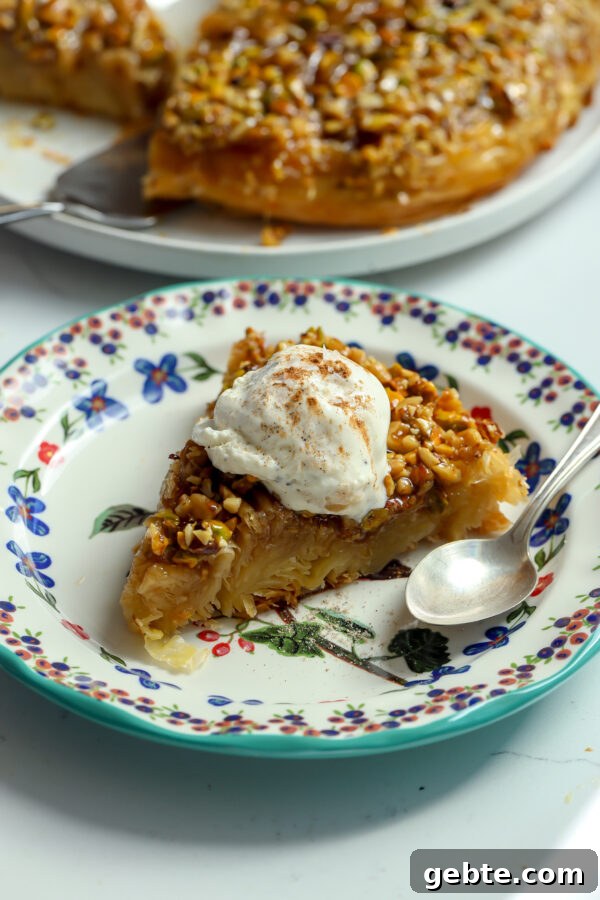
Pomegranate mimosas, grilled kabobs, fattoush salad, or a honeyed baklava finish all complement labneh beautifully. These pairings balance acidity, crunch and sweetness against the rich tang of the cheese.
Cocktails
Pomegranate Mimosas
Mains
Easy Kabob Plate
Sides
Fattoush Recipe
Desserts
Baklava Pie
Labneh Recipe FAQ
Fat gives labneh its creamy, velvety texture. Whole-milk yogurt produces the lush consistency you want; low-fat or fat-free versions will be thin and grainy.
Greek yogurt is strained, but labneh is strained much longer to remove nearly all whey, leaving a denser, tangier yogurt cheese with a cream-cheese-like texture.
No. High-quality olive oil can solidify and appear cloudy when cold. Let the jar sit at room temperature for 30–45 minutes and the oil will liquidify and clear up.
Save the whey—it’s rich in protein. Use it in bread dough, smoothies, or as a starter in fermenting vegetables instead of discarding it.
Yes. While za’atar and sumac are classic, crushed Aleppo pepper, dried herbs or lemon zest work well. Ensure toppings are dry so they adhere and don’t introduce moisture.
When fully submerged in olive oil and refrigerated, labneh balls stay fresh for up to a week. The oil acts as a protective seal and deepens flavors over time.
Yes—straining is crucial. For a spreadable dip aim for 24 hours; for firm, rollable labneh you need about 48 hours.
|
20 balls

Equipment
- large bowl
- fine mesh strainer
- double cheesecloth
- weight (e.g., canned good)
- storage container with lid
Ingredients
Homemade Labneh
- 32 oz plain whole-milk yogurt
- 1 tsp salt
Labneh Balls
- 3 tbsp za’atar, to taste
- pinch flaky sea salt, to taste
- 3 tbsp sumac, to taste
- olive oil, for storage
Instructions
Homemade Labneh Recipe
- Prepare the labneh: Mix the yogurt and salt until combined. Line a fine mesh strainer with doubled cheesecloth and set it over a bowl. Spoon the yogurt into the center of the cloth, fold the edges over, place a weight on top, and refrigerate for 48 hours (24 hours for a softer spread).
- Remove the strained labneh from the cloth and squeeze out any remaining moisture. Store in an airtight container; it will keep 1–2 weeks refrigerated.
Labneh Balls
- Shape the balls: Lightly oil your hands. Using a tablespoon, scoop a heaping amount of labneh and roll into uniform balls.
- Coat and store: Place za’atar and flaky salt on one plate and sumac on another. Roll some balls in za’atar and others in sumac. Place all balls in a glass jar and fully submerge them in olive oil. Cover and refrigerate for at least 48 hours and up to 1 week.
Kitchen Cam
Notes
Nutrition
Nutrition information is approximate and automatically calculated.