
As antibiotic resistance rises and more strains of bacteria become harder to treat, turning to natural remedies that support the body’s own defenses is increasingly appealing. Your immune system is the primary protector against infection, but gentle, evidence-backed foods and herbs can support and strengthen it. Below are five natural substances that have been traditionally used and studied for their antimicrobial and immune-supporting properties, along with practical tips for incorporating them into everyday routines.
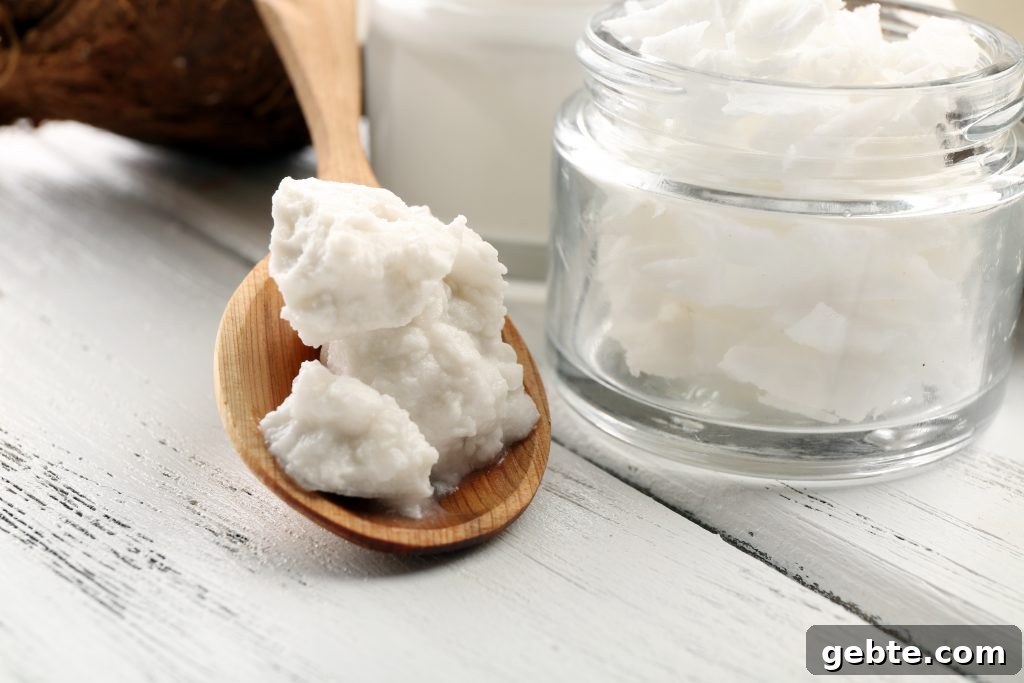
1. Coconut Oil
Coconut oil is rich in medium-chain fatty acids (MCFAs), especially lauric acid, which contributes to its antimicrobial, antiviral, antifungal and anti-inflammatory effects. Because of its fatty-acid profile and other nutrients, some people compare its immune-supporting qualities to components found in breast milk. Using high-quality, extra-virgin coconut oil preserves the beneficial compounds.
Research and traditional use suggest coconut oil can help against a range of microbes. It can be applied topically for certain skin issues or used in the diet to support systemic immune function. To benefit from its properties, try adding a tablespoon to smoothies, stirring it into warm porridge, or combining it with raw honey or minced garlic and spreading on whole-grain toast. For those actively dealing with an infection, some practitioners recommend increasing intake to two to three tablespoons twice daily, though individual needs vary.
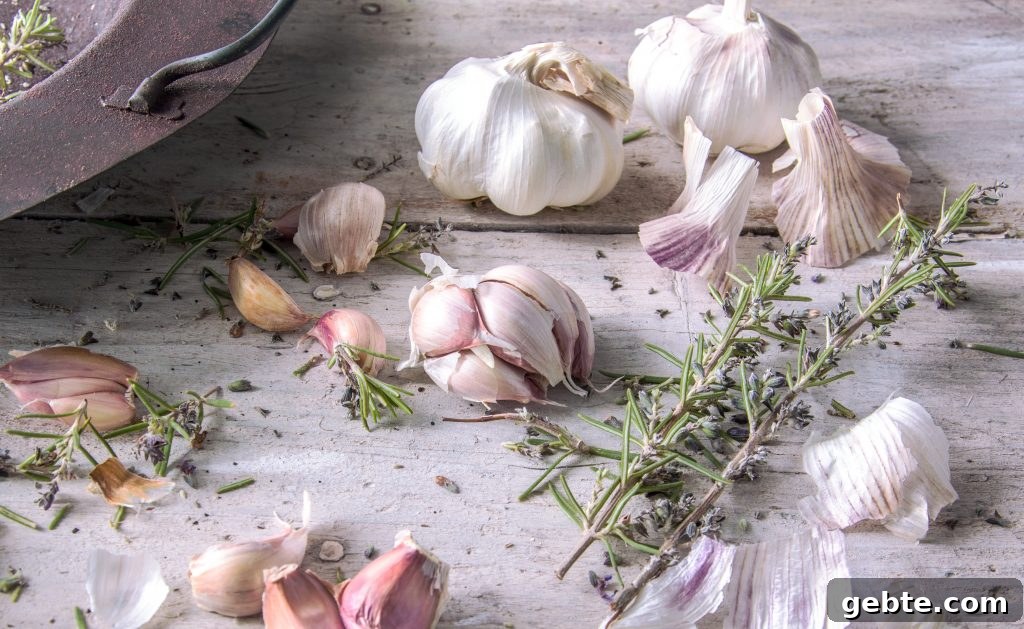
2. Garlic
Garlic has a long history as a natural antimicrobial. Its active compound allicin, which forms when fresh garlic is crushed or chopped, is associated with antibacterial and antiviral activity. Historically, garlic has been used in folk medicine and in early scientific investigations as a means to fight infections.
To gain the most benefit, consume raw or lightly crushed garlic soon after cutting, as heat can reduce allicin formation. Add fresh garlic to salsas, dressings, or salads, or mix minced garlic into cooked dishes near the end of preparation. If the flavor is too strong, combine it with other strong ingredients like lemon or ginger, or use small amounts more frequently. Raw garlic can support immune response and may help shorten the duration of some viral illnesses when used at the first signs of symptoms.
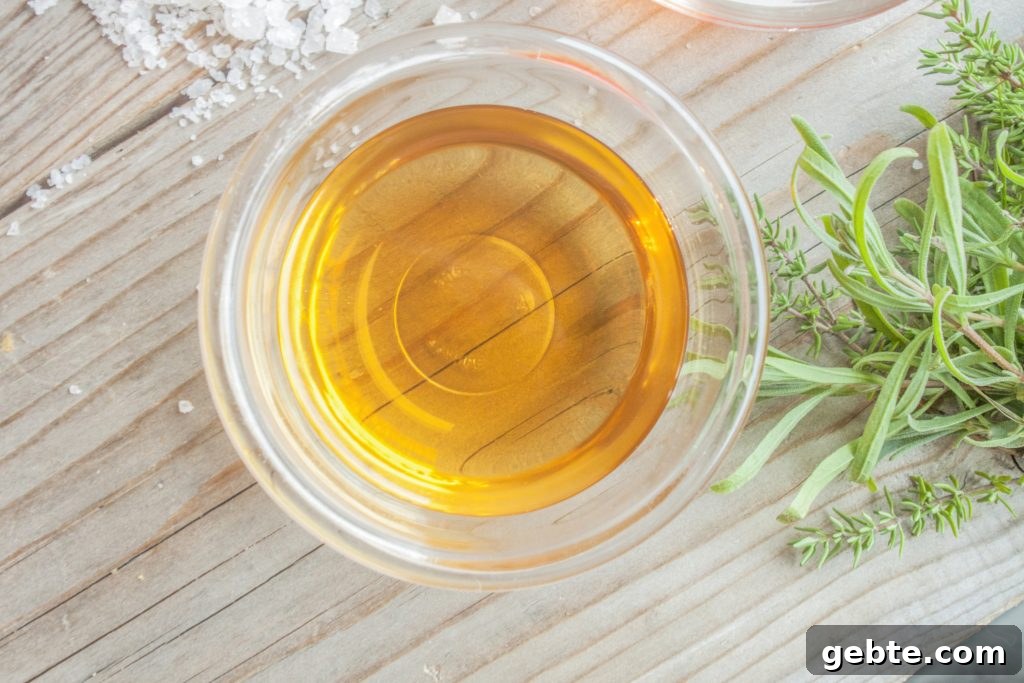
3. Apple Cider Vinegar
Apple cider vinegar (ACV) is a fermented product rich in acetic and malic acids, both of which have been associated with antimicrobial effects in laboratory studies. Beyond antimicrobial action, ACV is valued for supporting digestion, circulation and detoxification in traditional use. It is commonly recommended as a supportive remedy for overgrowths such as Candida and for general cleansing protocols.
A simple tonic can be made by combining apple cider vinegar with immune-supporting ingredients such as garlic, ginger and raw honey. For example: blend 2 cups of raw, unfiltered ACV with several cloves of fresh garlic, grated ginger and turmeric, a pinch of cayenne, and a tablespoon of raw honey. Use caution with strong concentrations and start with small amounts to assess tolerance. A typical maintenance dose is one tablespoon diluted in a glass of water once or twice daily; some people take one tablespoon three times a day during acute periods, or add it to hot water and lemon for a warming beverage.
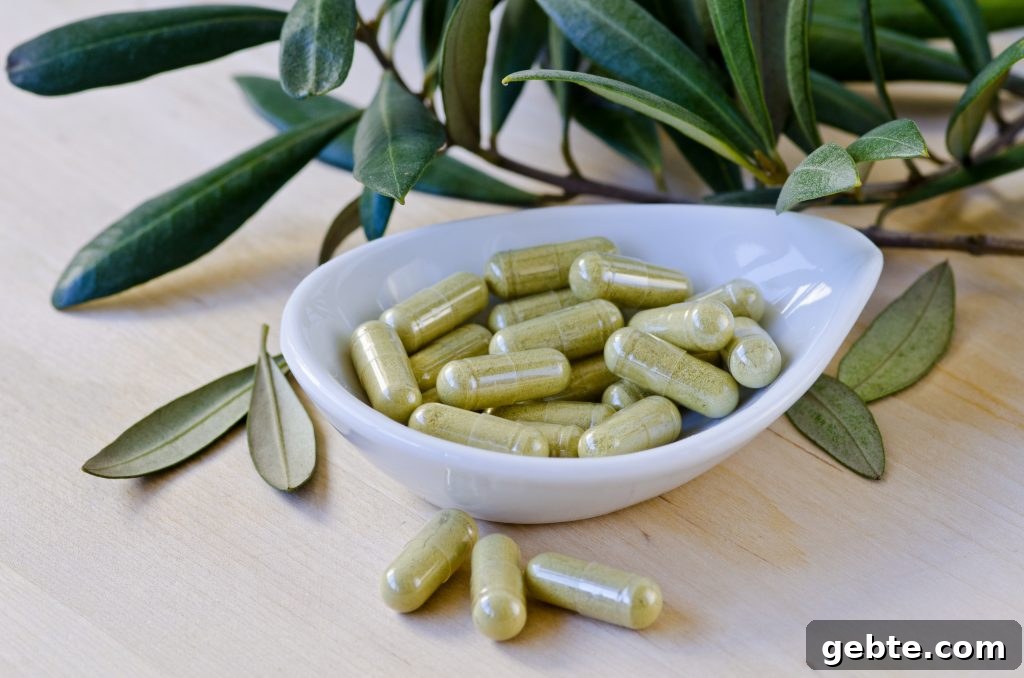
4. Olive Leaf Extract
Olive leaf extract contains compounds such as oleuropein that have demonstrated broad antimicrobial and antioxidant activity in laboratory studies. Unlike broad-spectrum synthetic antibiotics, olive leaf compounds are often described as selectively inhibiting harmful microbes while leaving beneficial bacteria less affected, though responses can vary.
Olive leaf extract is available as concentrated supplements and as a tea. People commonly use it for respiratory infections, sinus issues, and to support recovery from viral illnesses. As with any concentrated herbal product, follow dosage instructions on the product label and consult a healthcare professional if you have health conditions or take prescription medications.
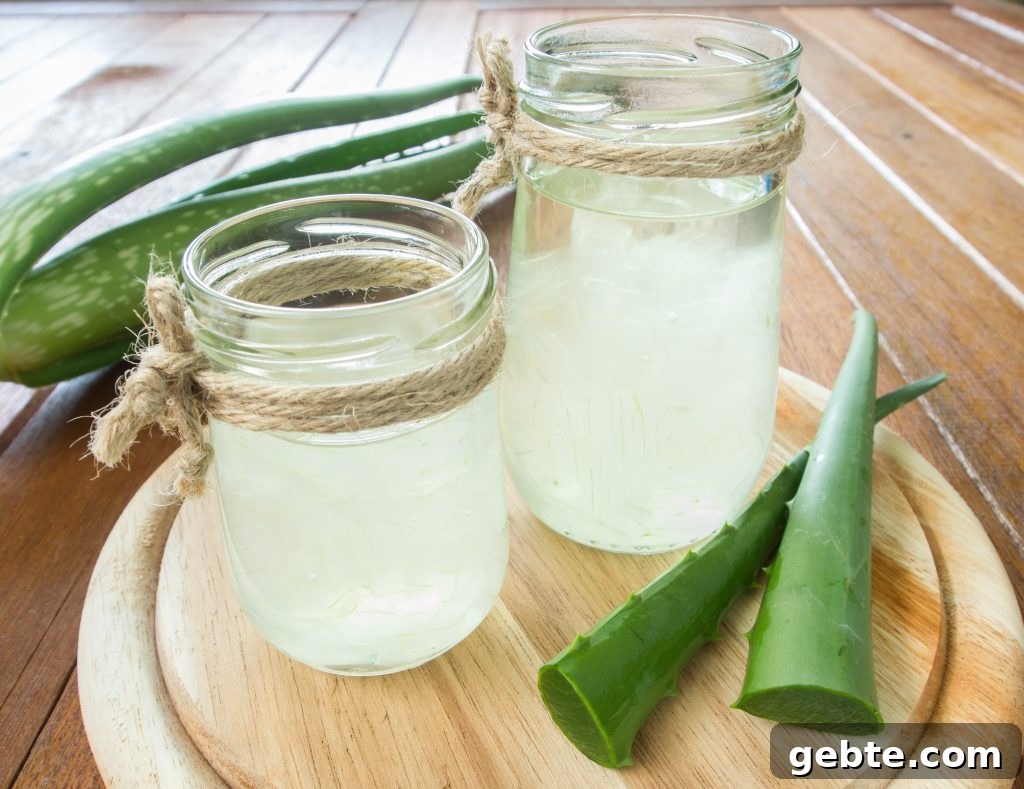
5. Aloe Vera Juice
When choosing aloe for internal use, select products that have been processed to remove aloin, the component that can cause a strong laxative effect. Properly processed aloe juice provides a range of vitamins, minerals and plant polysaccharides believed to support immune function and digestive health. Aloe is also noted for its soothing, anti-inflammatory properties when used topically.
Some reputable aloe juices contain additional immune-supporting herbs to create blended formulas intended for general wellness. If using aloe internally, follow the manufacturer’s directions and choose products that clearly state aloin removal and quality controls. As with other supplements, discuss use with your healthcare provider if you are pregnant, nursing, have underlying health issues, or are taking medications.
Incorporating these foods and botanicals into a balanced lifestyle—adequate sleep, stress management, regular exercise and a nutrient-dense diet—can help support your immune system. Natural remedies can be a useful adjunct to conventional care but should not replace professional medical advice for serious infections. When symptoms are severe or persistent, consult a qualified healthcare practitioner.