
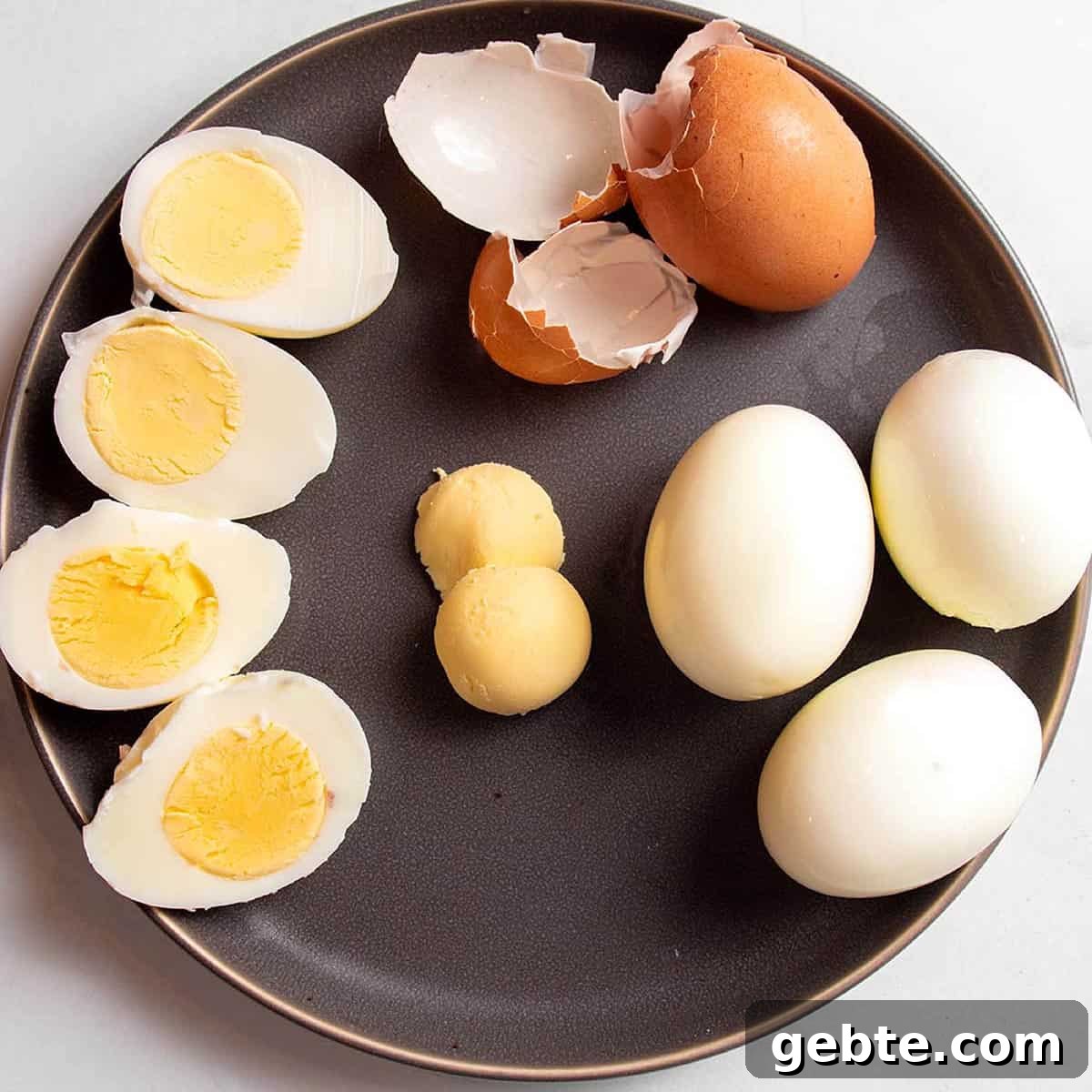
The easiest, most reliable method for making hard-boiled eggs that peel effortlessly. This straightforward technique works every time and produces eggs with smooth whites and perfectly cooked yolks.
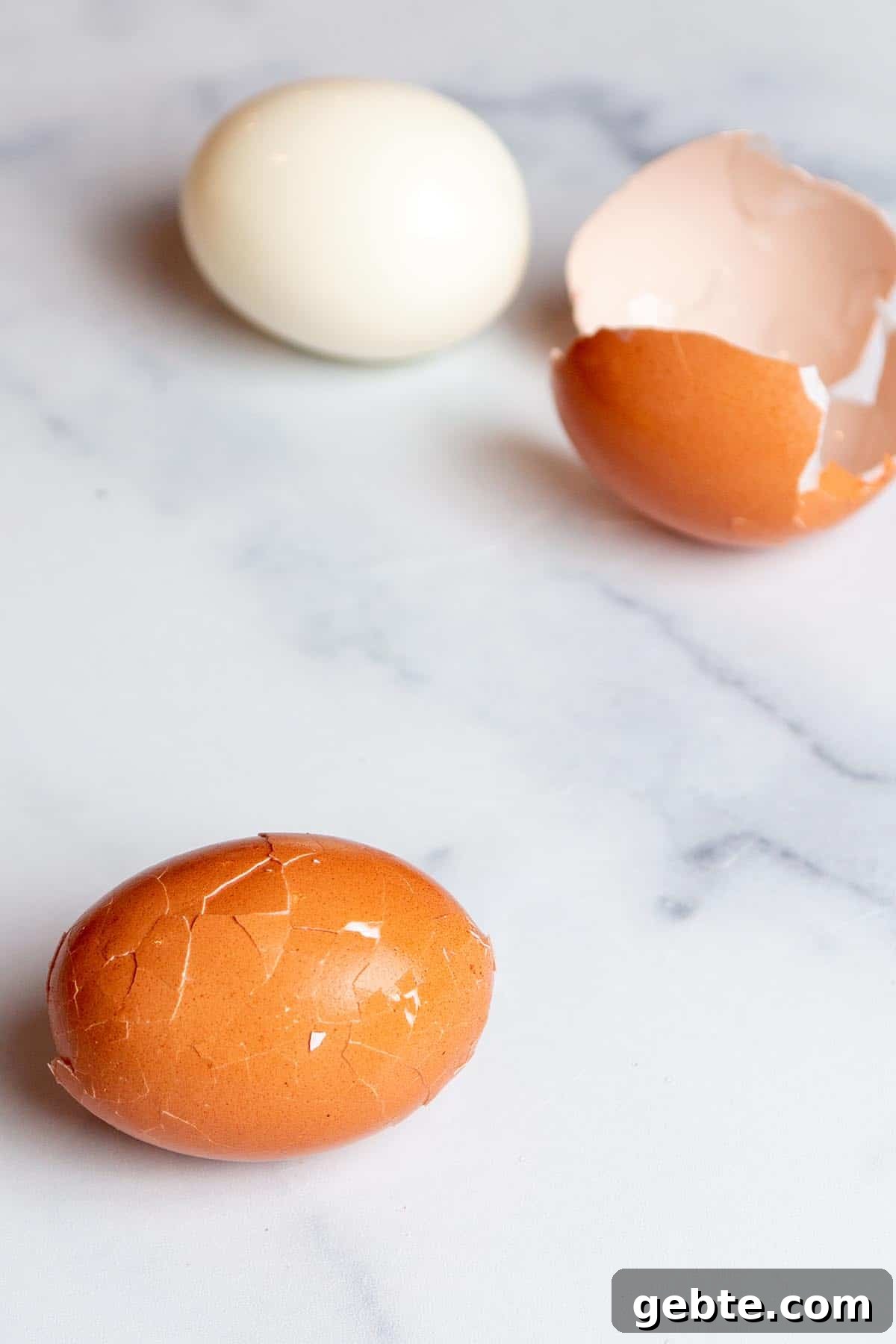
Hard boiling eggs can be surprisingly frustrating, with many different approaches and gadgets promising perfect results. In reality, you don’t need special equipment—just a pot, water, and this simple process.
I’ve tested small variations like adding baking soda or salt and found no meaningful difference. The method below delivers consistently easy-to-peel eggs and great yolk texture, making it ideal for snacks, salads, or deviled eggs.
Tips for Hard Boiling Eggs
- Start with cold water covering the eggs.
- Bring the water and eggs to a full boil together.
- Use older eggs (store-bought) when possible—eggs that are a few days to a couple of weeks old peel more easily than very fresh farm eggs.
- Some people add a little baking soda or vinegar to the water to help peeling; it’s optional and not required for this method.
How to Hard Boil Eggs
Arrange the eggs in a single layer in a pot so they sit comfortably without stacking.
Fill the pot with cold water until the water level is about 1 inch (2–3 cm) above the eggs.
Place the pot over medium-high heat and bring the water to a rolling boil.
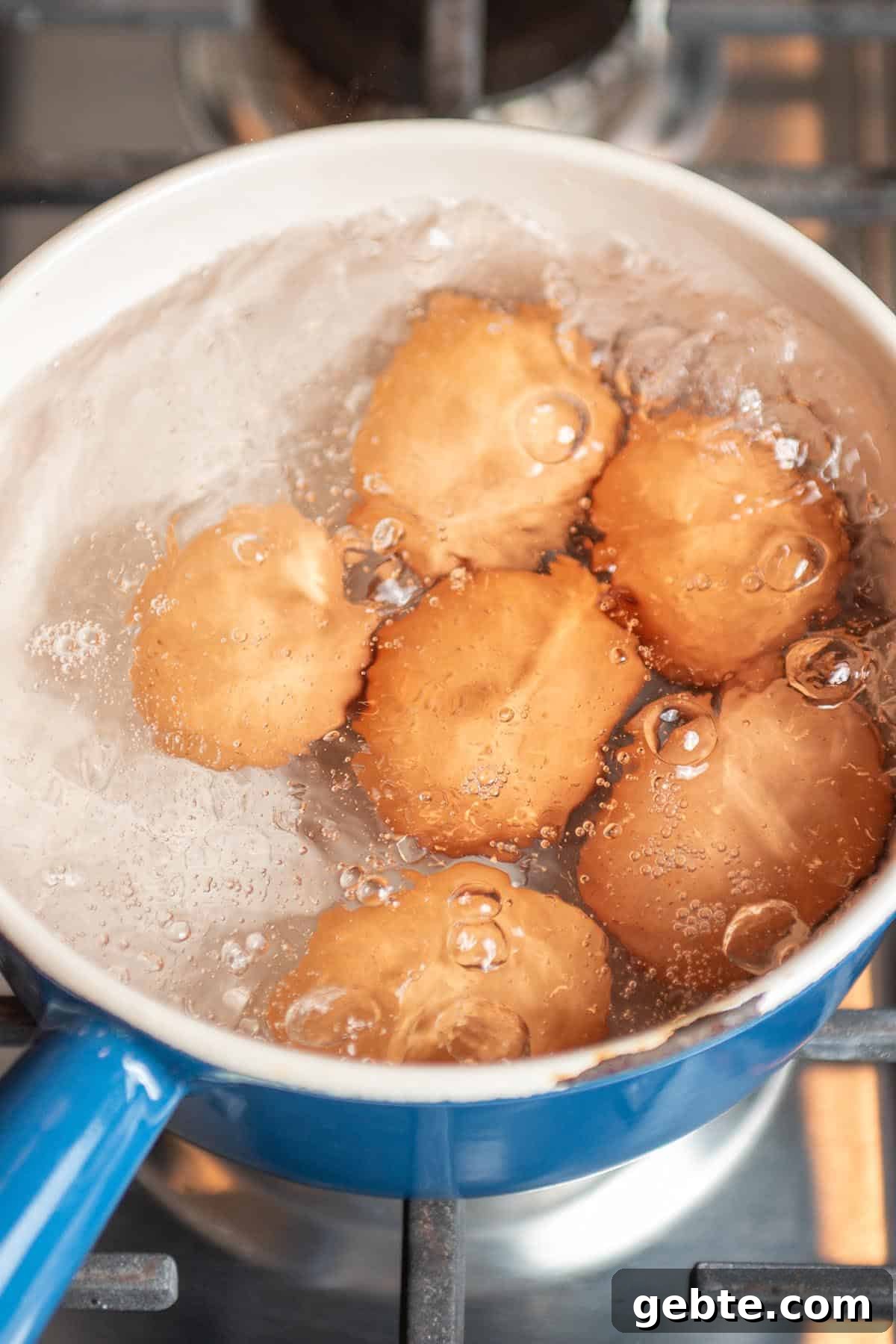
Once the water reaches a full boil, cover the pot with a lid and turn the burner off. Set a timer for 12 minutes—this hot-off-heat resting cooks the eggs gently and prevents rubbery yolks.
While the eggs rest, prepare an ice bath: fill a large bowl with cold water and plenty of ice.
When the 12 minutes are up, remove the eggs with a slotted spoon and plunge them immediately into the ice bath to stop cooking. Add more ice if needed so the eggs cool quickly.
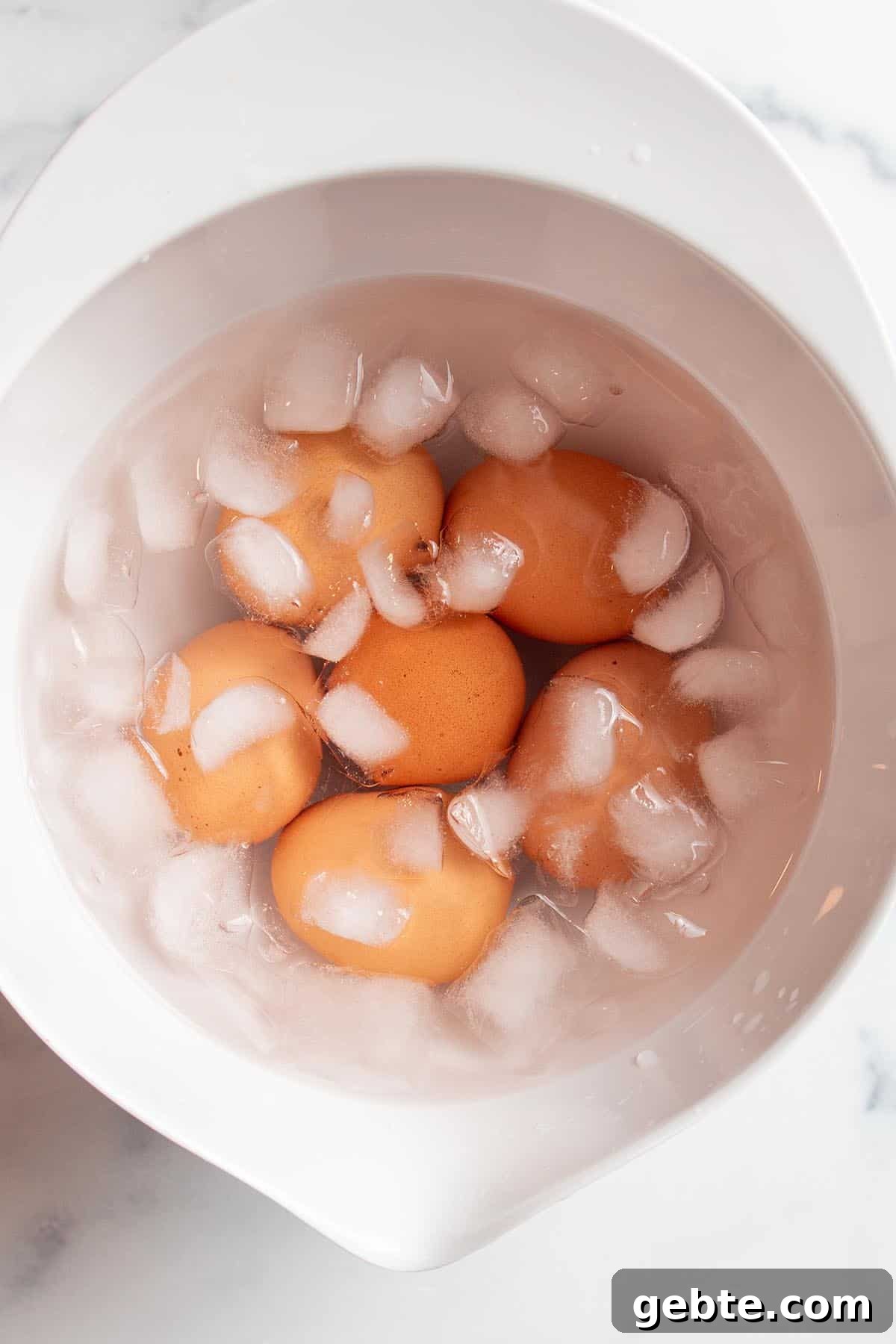
Let the eggs sit in the ice bath for 10–15 minutes. This ensures they finish cooling and makes peeling much easier.
Remove the eggs from the ice bath and peel. Follow the peeling tips below for best results.
Tips for Peeling Hard Boiled Eggs
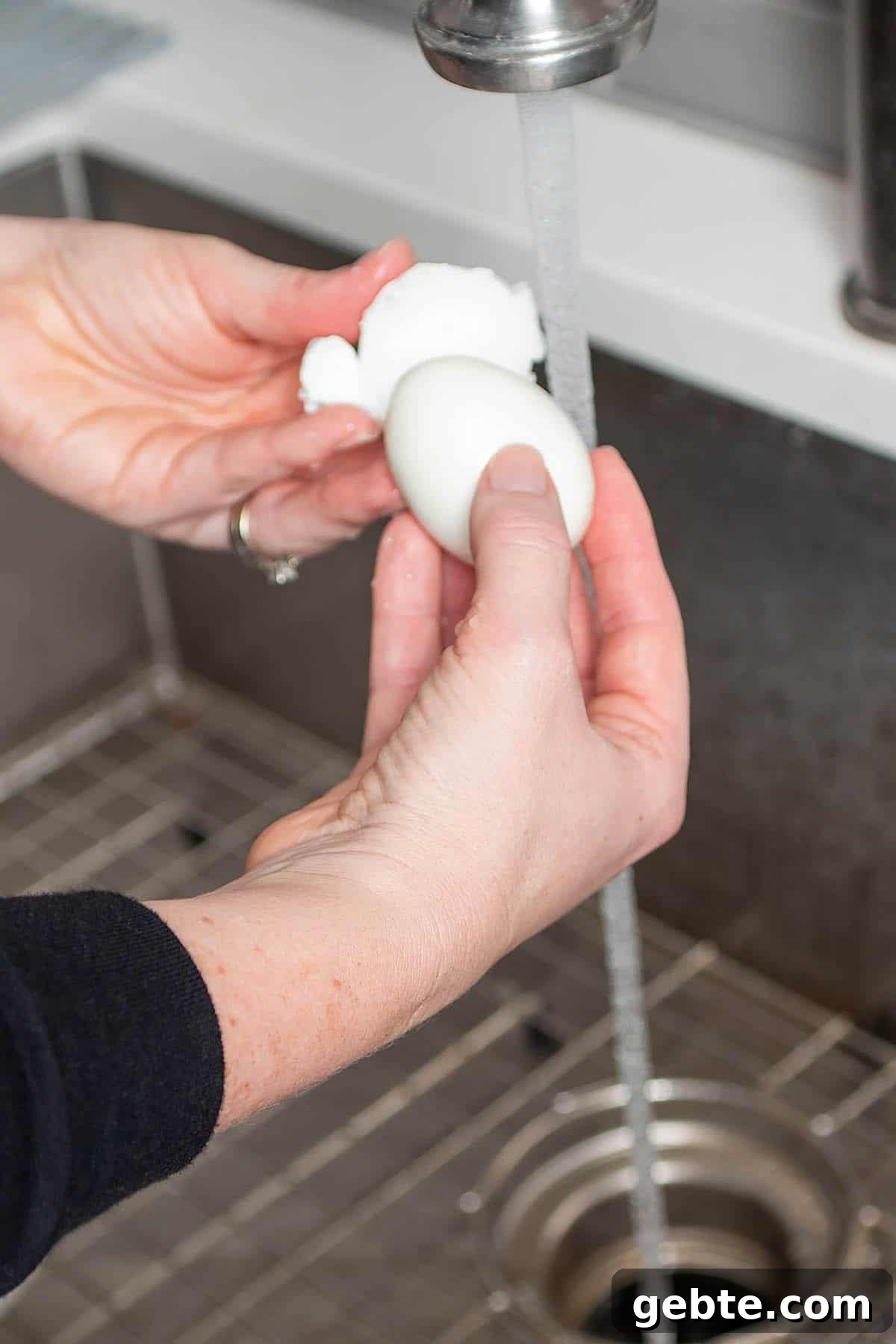
- Choose older eggs when possible. Eggs that are several days old peel more cleanly because the membrane separates more from the shell. Very fresh eggs are harder to peel.
- Gently tap the egg on a hard surface to crack the shell all over, then roll it lightly to loosen the shell.
- Peel under running water. Letting a thin stream of water get between the membrane and the shell helps lift the shell off in larger pieces.
- Peel soon after the ice bath while the eggs are still slightly warm. I find the shell comes off easier before the egg becomes completely cold.
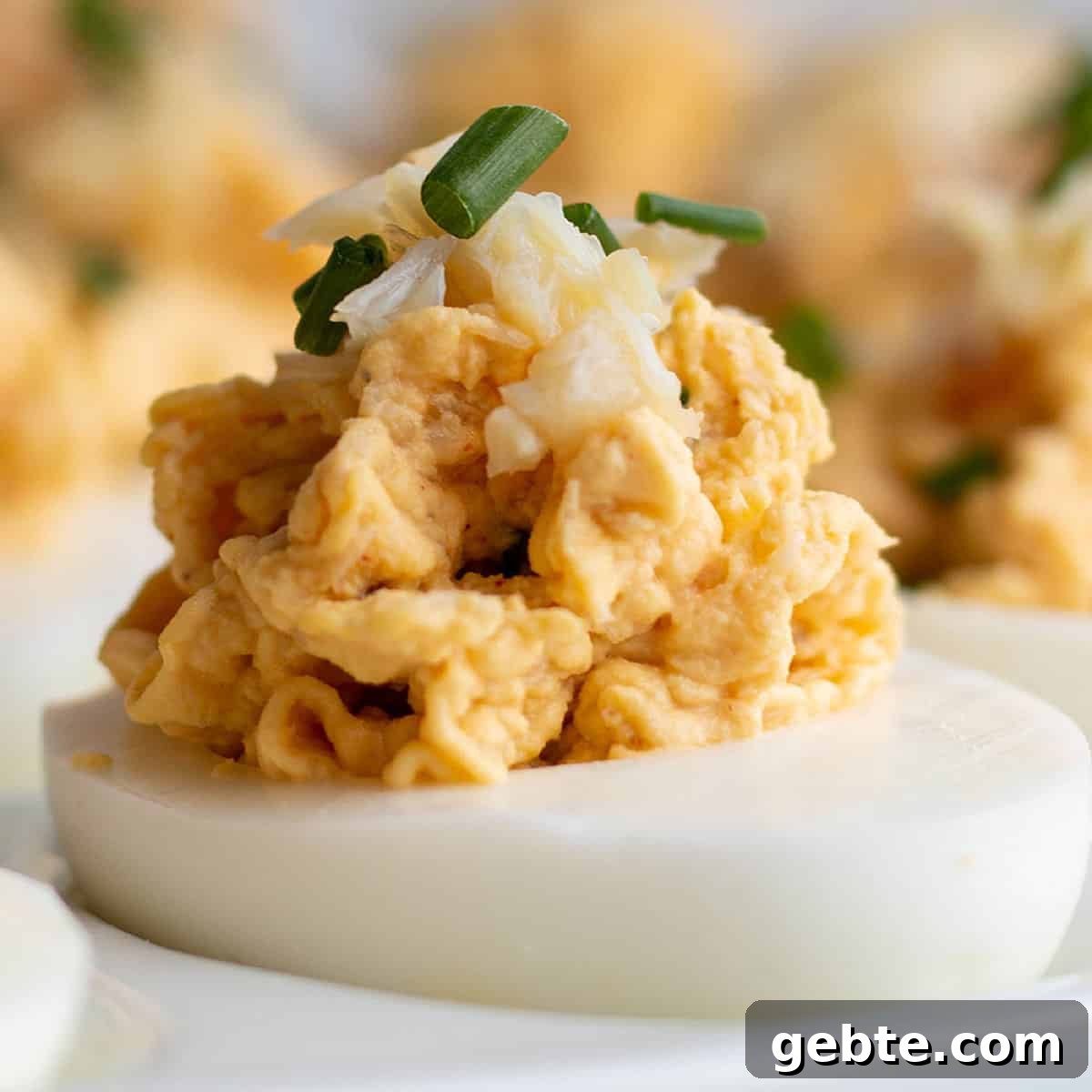
With these steps you’ll have reliably easy-to-peel hard-boiled eggs ready for salads, snacking, or recipes like deviled eggs.
If you tried this method and liked it, please leave a rating or comment. Feedback helps refine the tips and lets others know what worked for you.
📋Recipe
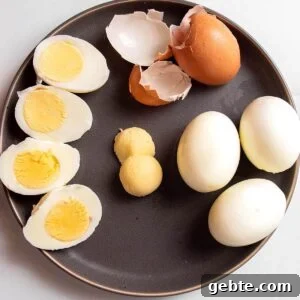
Easy to Peel Hard Boiled Eggs
Equipment
- Small pot
- Large bowl for ice bath
Ingredients
- 6 Eggs — or as many as you need
Instructions
- Place eggs in a single layer in a pot.
- Fill the pot with cold water until it covers the eggs by about 1 inch.
- Bring the pot to a full boil over medium-high heat.
- Once boiling, cover the pot, turn the burner off, and set a timer for 12 minutes.
- While the eggs rest, prepare an ice bath in a large bowl.
- When the timer ends, transfer eggs to the ice bath immediately to stop cooking.
- Let eggs cool in the ice bath for 10–15 minutes, then peel using the tips above.
Notes
Tips for Hard Boiling Eggs
- Start with cold water and bring the eggs to a boil with the water.
- Use older eggs when possible for easier peeling.
- Adding a splash of baking soda or vinegar is optional; it can help for some, but isn’t required.
Tips for Peeling Eggs
- Tap and roll the egg to crack the shell, then peel under running water to let water slip under the membrane.
- Peel soon after the ice bath while eggs remain slightly warm—this often produces the cleanest peel.
Nutrition
Leave a comment and rating below.