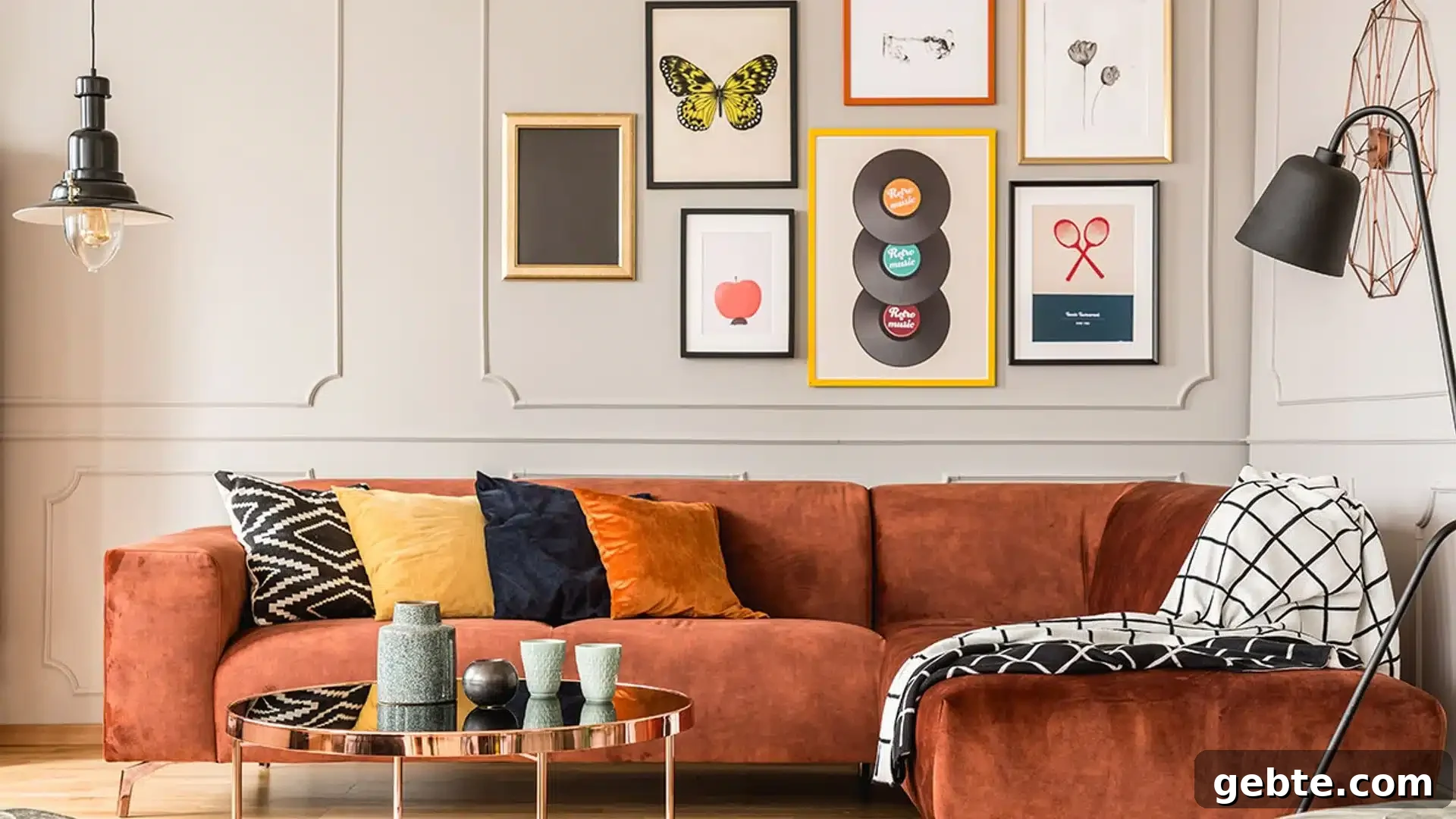
The walls of a home are blank canvases ready to become a gallery that reflects your tastes and experiences. Art is more than decoration; it communicates emotions, memories, and identity. As personal expression grows in importance, learning how to turn walls into a compelling gallery is a valuable skill. This guide offers practical tips and creative ideas to help you transform your space.
The Power of Wall Art
Wall art can redefine a room. It sets mood, introduces color, and creates focal points. Whether you choose a large painting, a series of photographs, or a curated collection of prints, the right pieces make a house feel like a home. Start by assessing your space—its colors, textures, and existing décor—and choose art that complements those elements to achieve harmony. Consider commissioning a local artist if you want a custom piece that captures your personality and ties your décor together.
Cat Portraits: A Personal Touch
Cat portraits are a charming way to personalize your walls, especially for pet lovers. They celebrate the unique personality of a beloved pet and can be adapted to fit any interior style. A realistic, traditional portrait suits classic decor, while a bold, abstract interpretation enhances modern spaces. Think about placement: a cat portrait can be a delightful focal point in the living room or a cozy accent in a reading nook.
Choosing the Right Art for Your Space
When selecting artwork, consider scale and orientation. Large pieces make strong statements; smaller works work well grouped into gallery walls. Mix mediums—paintings, prints, photographs, and textiles can coexist to create visual interest. Use targeted picture lighting to enhance colors and reveal details without overpowering the room. Ultimately, choose art that resonates with you—pieces that evoke emotion or tell a story will enrich your space.
Home Remodelers: Integrating Art in Renovations
For remodelers, planning for art during renovations elevates the finished design. Treat wall space as an intentional part of your blueprint and decide where to showcase artwork—above mantels, along stairways, or on dedicated feature walls. Lighting choices are critical: adjustable fixtures or picture lights ensure artworks are always seen at their best. Thoughtful placement and lighting turn art into an integrated element of the remodel.
Creating a Cohesive Look
Achieving cohesion involves more than matching colors. Consider themes or narratives that run through your collection—nature, abstraction, or urban scenes can link disparate works into a cohesive story. Frames also influence cohesion: uniform frames create a polished gallery feel, while a mix of frames adds character and whimsy. Use a consistent visual thread to unify varied pieces.
Rotation and Seasonal Changes
Rotating artwork keeps your home feeling fresh and dynamic. Swap pieces by season or mood—lighter, brighter works for spring and summer; deeper, contemplative pieces for fall and winter. Regular rotation allows you to showcase more of your collection and respond to changing tastes or occasions without major effort.
Embracing Eclectic Styles
Mixing styles creates a lively, personalized environment. Combining abstract paintings, vintage prints, and contemporary photography reflects varied tastes and life experiences. To avoid visual chaos, anchor the mix with a unifying element such as a limited color palette or recurring motif. An eclectic gallery tells a rich story while remaining visually engaging.
Interactive Art Spaces
Interactive elements make a gallery feel alive. Consider chalkboard paint, magnetic panels, or writable surfaces where family and guests can leave drawings, notes, or seasonal messages. These areas invite participation and evolve over time, turning the gallery from a static display into a shared creative space that reflects everyday life.
Harnessing Natural Light
Natural light enhances the look of your artwork, revealing color depth and texture. Position pieces to benefit from daylight without subjecting them to direct, damaging sun. Observe how light moves through your room at different times and place artworks where the changing light accentuates their features. The interplay of sunlight and shadow adds a dynamic, living quality to your gallery.
Sustainable Art Practices
Incorporating sustainable art reflects environmental awareness and adds meaningful context to your collection. Look for works made from recycled or eco-friendly materials, support local artists who use sustainable methods, or create upcycled DIY pieces. Sustainable choices reduce environmental impact and introduce unique textures and stories to your walls.
Conclusion
Turning your walls into a gallery is a rewarding process that blends personal expression with design. By mixing styles thoughtfully, planning for lighting and placement, rotating pieces seasonally, and embracing sustainable practices, you can create a dynamic, personal environment. Let your walls tell your story—through carefully chosen art, your home becomes a living gallery that inspires and delights.