
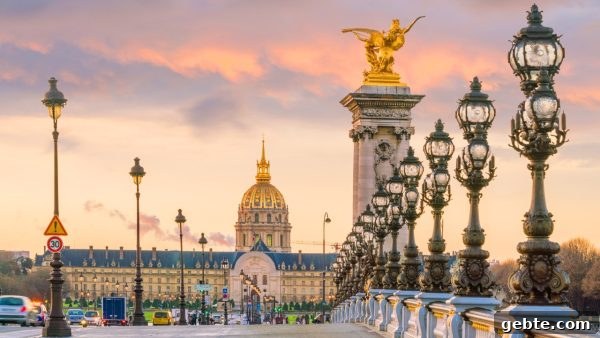
Traveling to Paris for the first time is thrilling, but without preparation it can become overwhelming. From cultural nuances to practical logistics, a few common missteps can turn a dream trip into a stressful experience. With sensible planning and attention to local customs, you can avoid these pitfalls and enjoy a smooth, memorable visit to the City of Light.
Overpacking for the Trip
Paris involves a lot of walking and varied weather, so packing for every eventuality is unnecessary and cumbersome. Aim to pack light and choose versatile pieces that can be mixed and matched. Comfortable shoes are essential since cobblestone streets and long museum days are common.
Large, heavy suitcases are hard to maneuver through narrow streets, metro stations and smaller hotels. Pick a lightweight suitcase or a well-designed backpack and leave a bit of room for souvenirs. Packing cubes, a concise wardrobe plan, and a laundry strategy can make your trip easier and more enjoyable.
Skipping Advanced Reservations at Popular Attractions
Iconic sites like the Louvre and the Eiffel Tower attract huge crowds. To avoid long lines and disappointment, book timed-entry tickets or guided tours in advance when possible. Advance bookings often let you skip queues and make the most of limited sightseeing time.
Booking ahead can also help control costs: many attractions offer online discounts or combined passes. Check official attraction websites or trusted ticket vendors, build reservations into your itinerary, and arrive on time for reserved slots to maximize your visit.
Ignoring Local Dining Etiquette
Dining in France follows certain social customs that enhance the experience. Greet staff with a polite “Bonjour” when entering a restaurant, and be aware that service is usually included in the bill, so tipping is appreciated but not obligatory. Politeness and a relaxed pace are valued.
Take time to enjoy each course rather than rushing; meals are part of the cultural experience. Popular restaurants can fill up, so reserve ahead for dinner or weekend dining to avoid long waits or being turned away.
Relying Solely on English Communication
While many Parisians know some English, relying exclusively on it can create awkward moments. Learning a few basic French phrases—greetings and polite expressions like “Bonjour,” “Merci” and “S’il vous plaît”—goes a long way toward positive interactions.
Effort matters: even simple phrases show respect and often yield friendlier service. Carry a small phrasebook or use a language app to help with directions, menus and simple conversation. Embracing the language enhances your experience and helps you connect with locals.
Missing Out on Neighborhood Exploration
Paris’s neighborhoods each have distinct personalities beyond the major sights. Limiting yourself to tourist hotspots means missing charming streets, independent cafés, boutiques and local life. Venture into areas like Le Marais, Montmartre or the Latin Quarter to discover quieter, atmospheric corners.
Strolling neighborhood streets reveals street art, markets and small galleries that guidebooks might overlook. Schedule unstructured time to wander—those discoveries often become the most memorable parts of a trip.
Neglecting to Validate Public Transport Tickets
Paris has an efficient public transit network, but you must validate tickets for metro and some buses. Insert paper tickets into the validation machine or ensure your digital pass is activated before travel. Inspectors sometimes check tickets, and fines for unvalidated fares are common.
To simplify travel, consider a Paris Visite or multi-day travel pass if you plan frequent trips across zones. Familiarize yourself with ticket types, validation methods and peak hours to avoid penalties and travel more confidently.
Focusing Only on Tourist Spots
Iconic landmarks are part of the Paris experience, but the city’s character shows itself in everyday life as well. Explore markets like Marché Bastille, smaller museums such as the Musée de l’Orangerie, and neighborhood bakeries to get a fuller sense of Parisian culture.
Including local markets, parks and lesser-known museums in your itinerary provides variety and deeper cultural insight. These quieter stops often offer richer, more personal memories than crowded tourist sites alone.
Forgetting to Check Opening Hours and Closures
Many attractions and shops in Paris have varied opening hours or close on specific days. Always verify operating hours and planned closures before you go. Museums, for example, often close one day a week, and small shops may shut earlier than expected.
Using updated apps, official sites or visitor centers to confirm hours helps prevent wasted time. Plan around closures and build flexibility into your schedule so you can make the most of each day.
Overlooking the Importance of Travel Insurance
Travel insurance is not an unnecessary luxury—it protects against medical emergencies, trip cancellations and lost luggage. Choose a policy that fits your needs, considering medical coverage, trip interruption, and baggage protection.
Keep a copy of your insurance information accessible and know how to contact your provider while abroad. Having coverage provides peace of mind and financial protection should unexpected issues arise during your trip.