

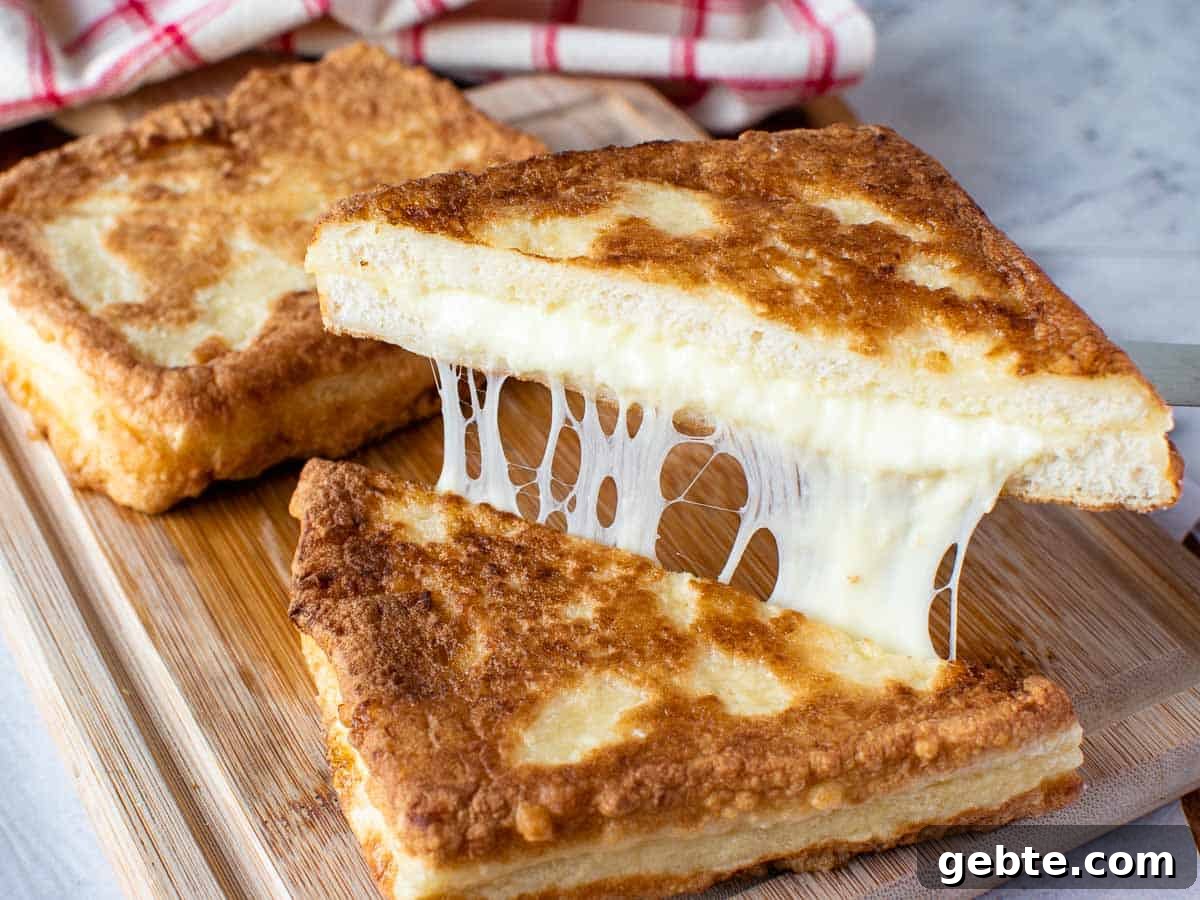
Mozzarella in Carrozza is a superb fried cheese sandwich that’s crispy on the outside and irresistibly gooey inside.
With melting cheese tucked between soft slices of bread and a golden, eggy crust, this is comfort food at its finest.

Mozzarella in Carrozza is a classic dish from southern Italy that was born from practicality: using stale bread and leftover cheese to make something delicious. The result is a fried mozzarella sandwich that’s simple, comforting, and deeply satisfying.
This recipe comes from family traditions where nothing was wasted. My mother, from Calabria, often made these sandwiches to make the most of what was on hand, and I’ve loved them ever since.
Why you’ll love this recipe
- Great for leftovers: Turn dry bread and small amounts of cheese into a delicious meal.
- Comforting and flavorful: The combination of melted cheese and an egg-fried crust makes this more exciting than an ordinary grilled cheese.
- Crowd-pleaser: Fried sandwiches are universally popular—crispy, non-greasy when cooked at the right temperature, and always satisfying.
- Works as an appetizer: Serve these as a starter or alongside a main dish for a comforting meal.
For exact quantities and the full recipe, see the printable recipe card at the bottom of the page.
Ingredients
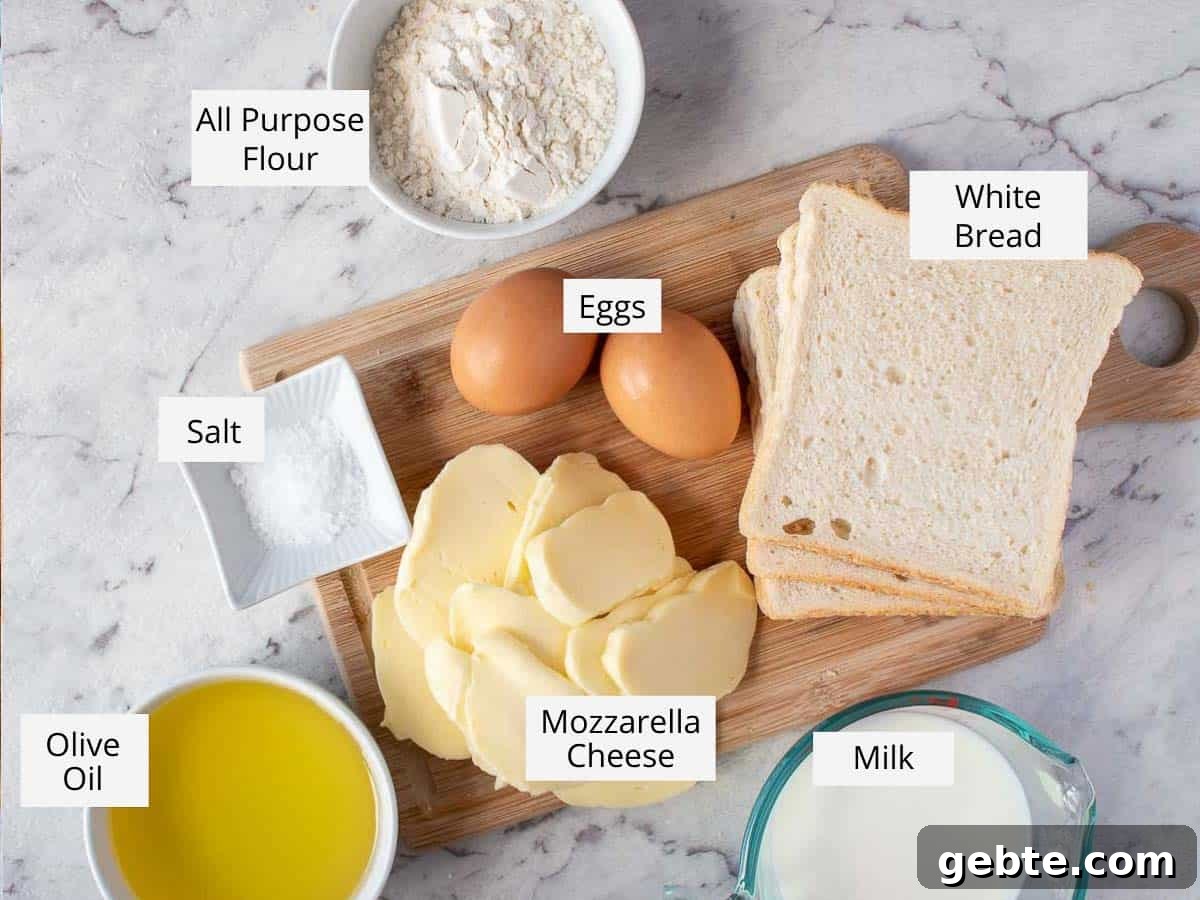
- Bread – Soft white sandwich bread is traditional because it presses together well, but other breads can work.
- Mozzarella – Use low-moisture mozzarella (the sealed plastic kind), not fresh mozzarella, which is too wet.
- Milk – Combined with flour to form a thin paste that helps seal the sandwich.
- Flour – Used with milk to coat and seal the edges so the cheese won’t leak while frying.
- Eggs – Beaten eggs make the rich, golden coating.
- Olive oil – For frying; it adds great flavor.
Instructions
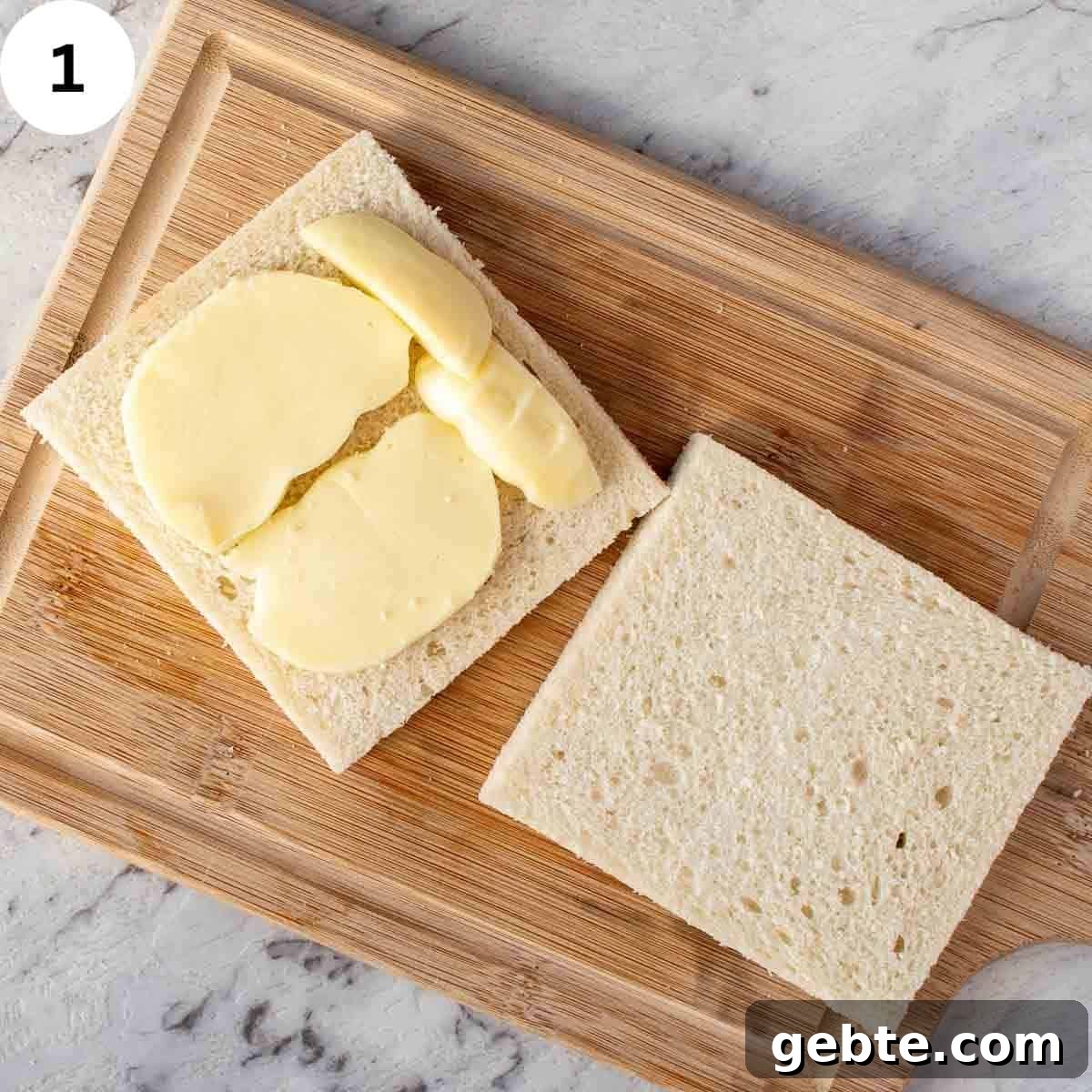
Trim the crusts from the bread. Assemble three sandwiches using two slices of bread per sandwich, layer on slices of mozzarella, and sprinkle a little salt over the cheese.
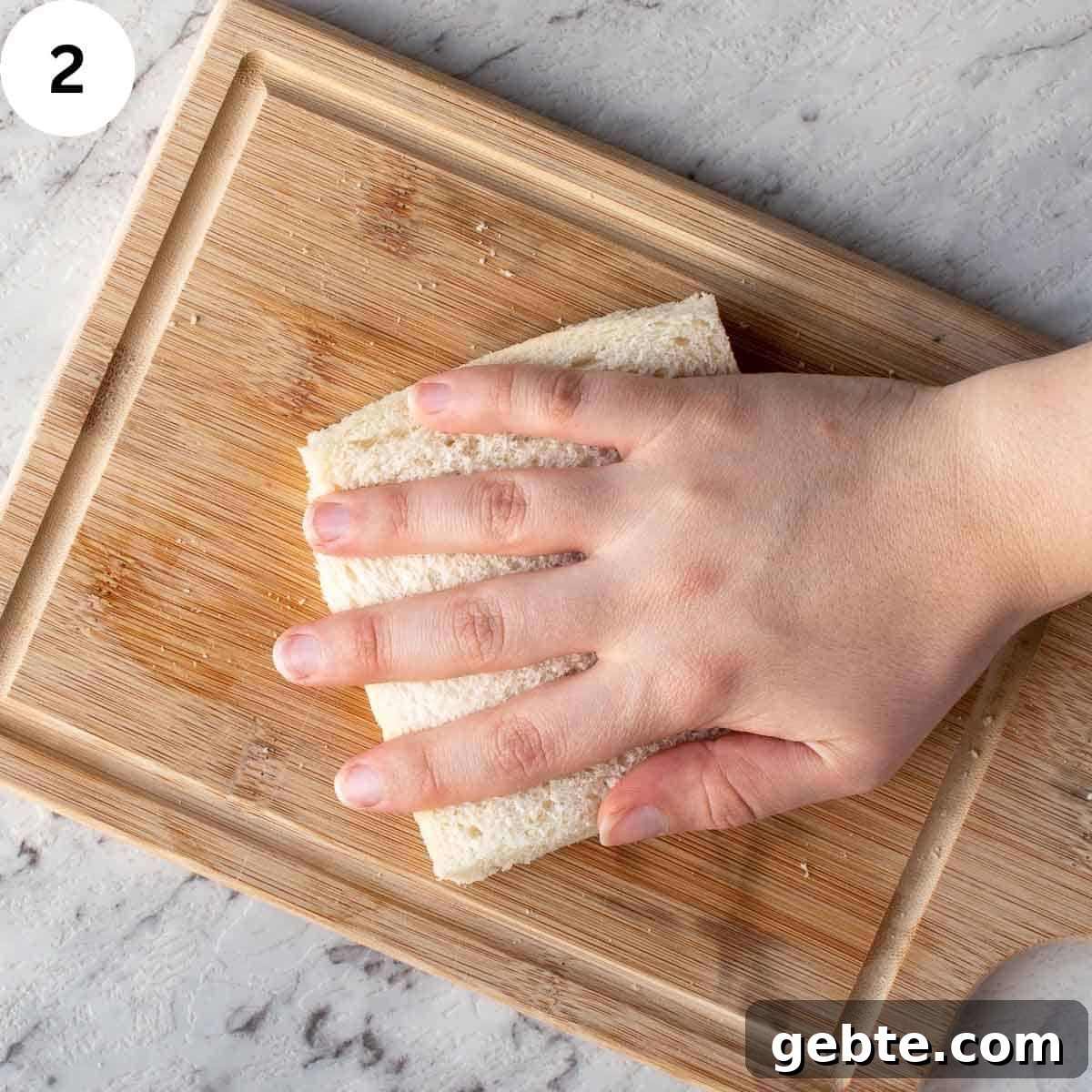
Press each sandwich firmly to compress and seal the edges.
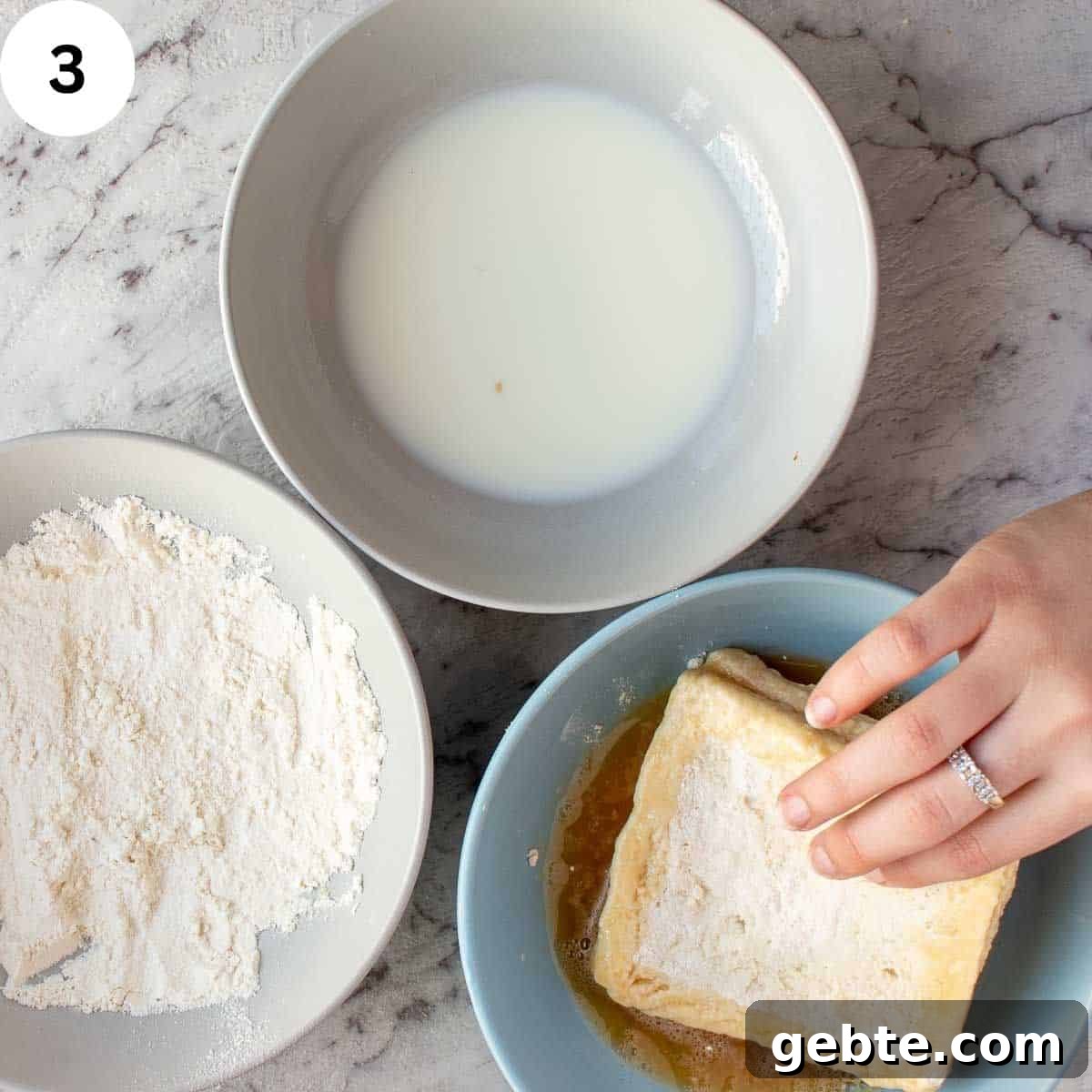
Quickly dip a sandwich into the milk, then into the flour—making sure to coat the edges well—and finally into the beaten eggs.
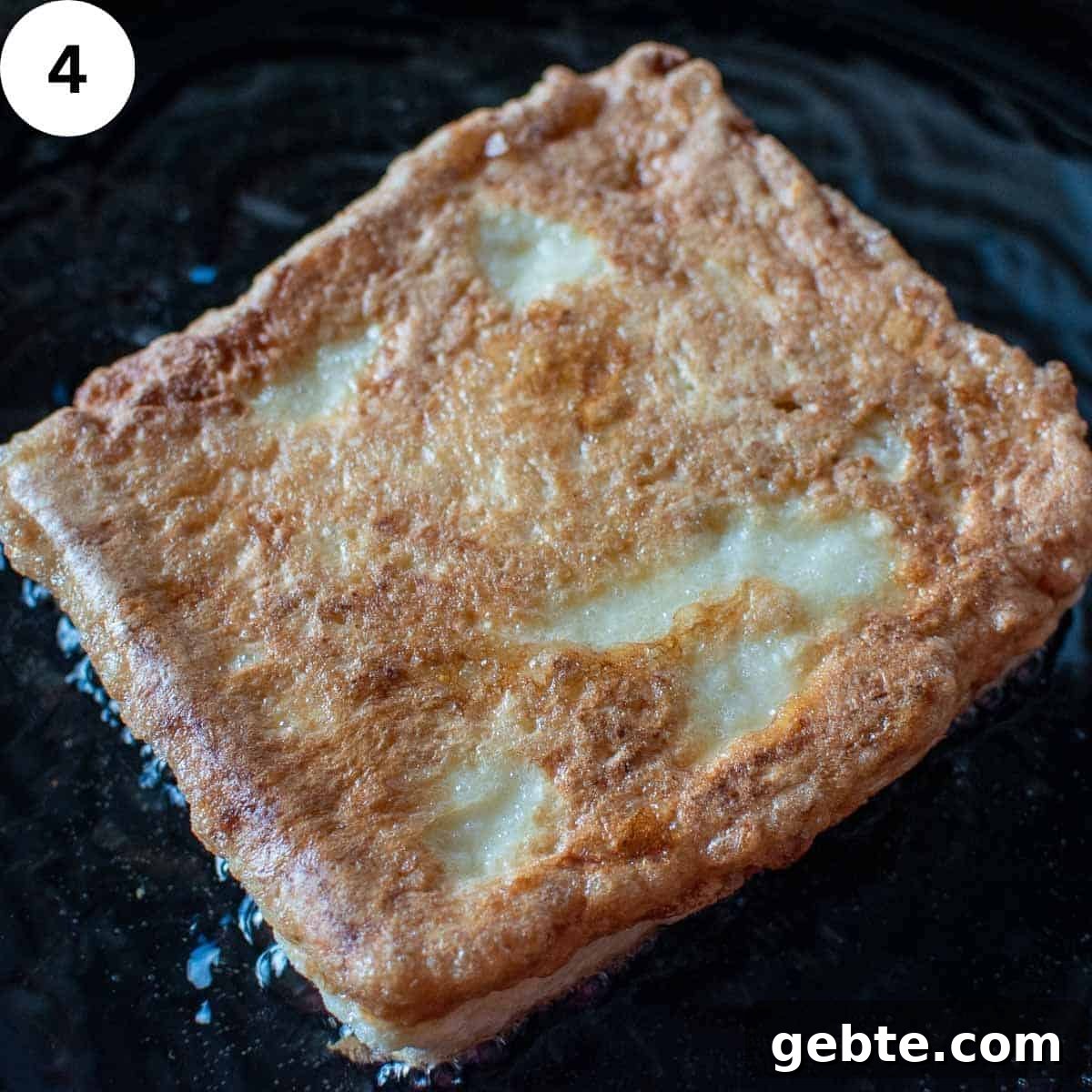
Heat olive oil in a skillet over medium heat. Gently slide the sandwich into the oil; it should sizzle but not burn. After about 2 minutes the underside should be golden—flip and brown the other side.
Drain the cooked sandwiches on absorbent paper. Repeat with the remaining sandwiches and serve immediately while hot.
Cook’s tip: You can scale the recipe up or down easily. If cooking many sandwiches, keep finished ones warm in a low oven while you fry the rest.
Substitutions
- Bread: Wholemeal, multigrain, sourdough, or Italian bread can be used for different textures and flavors.
- Cheese: Use leftover cheese pieces or a mix of mild and sharper cheeses for variation.
- Milk: Any milk you have on hand will work.
Variations
Add one or two extra fillings with the mozzarella for different flavors:
- Anchovies
- Ham
- Fresh basil
- Grilled eggplant
- Black pepper
- A spoonful of besciamella (a smooth white milk sauce)
For extra crunch, press the sandwich into breadcrumbs after the egg dip. Panko gives an especially crisp exterior.
Storage
These sandwiches are best served immediately. If you need to hold several, drain them on paper, then place on a wire rack over a baking sheet in a warm oven to keep them crisp.
Leftovers can be cooled completely, stored in an airtight container in the refrigerator for up to 3 days, and reheated in a 320°F (160°C) oven for 10–15 minutes until hot and the cheese has re-melted.
Tips for Success
- Use low-moisture mozzarella (the sealed plastic kind). Fresh mozzarella submerged in water is too wet—pat slices dry if needed.
- Slices of bread should be about 1 cm thick; removal of crusts is traditional (save crusts to make breadcrumbs).
- Place the mozzarella slightly in from the edge so it won’t ooze and burn during frying.
- Season the cheese lightly with salt unless you use salty additions like anchovies or cured meats.
- Thoroughly coat the edges in milk, flour, and egg to prevent leaks.
- Maintain oil temperature around 340–350°F (170–180°C). The oil should bubble gently when you test with a bread crust—hot enough to seal the exterior without burning it.
FAQ
“Carrozza” means “carriage” in Italian—the bread acts as the carriage that holds the mozzarella. Some say the melted cheese strings resemble reins when you pull the sandwich apart.
Avoid pre-shredded mozzarella; it often contains anti-caking additives that can affect melting. Use sliced or block mozzarella and shred it yourself if needed.
Yes—fried, breaded mozzarella bites (bocconcini) are popular as aperitivo snacks and are served in many bars and restaurants.
Serving suggestions
Serve Mozzarella in Carrozza straight from the pan while it’s hot. For dipping, pair it with a simple tomato sauce or basil pesto for bright flavor contrasts.
Made this recipe? If you enjoyed it, please rate and leave a review.

Mozzarella in Carrozza Recipe
Ingredients
- 6 slices white bread
- 4 ounces (115 grams) mozzarella cheese
- ¾ cup (180ml) whole milk
- 1 cup (125 grams) plain all purpose flour
- 2 large eggs
- salt to taste
- Olive oil for frying
Instructions
-
Cut the crusts from the bread. Make three sandwiches with two slices of bread, slices of mozzarella and a sprinkle of salt on the cheese. Press firmly.
-
Dip the sandwich quickly into the milk, then into the flour ensuring you flour the edges. Finally dip into beaten eggs.
-
Heat olive oil in a skillet over medium heat. Carefully slip the sandwich in. It should be frying gently but well browned on one side in 2 minutes. Flip to brown the other side.
-
Drain on absorbent paper.
-
Repeat with remaining sandwiches and serve hot.
Notes
- Don’t use fresh mozzarella; choose low-moisture mozzarella from the store and pat dry if necessary.
- White sandwich bread works well; keep slices about 1 cm thick and remove crusts if desired.
- Set the cheese in from the edge to avoid leakage and burning.
- Season sparingly and press sandwiches to seal before coating.
- Coat edges thoroughly when dipping to prevent the cheese from oozing out while frying.
- Maintain oil temperature around 340–350°F (170–180°C) so the bread browns without burning. Test with a bread crust—if it bubbles gently, the oil is ready.
Please note: Nutritional information is an estimate. The calculation does not include oil absorbed during frying, which varies with method. This is not a low-fat recipe.
Nutritional Estimate Per Serving
Nutritional Disclaimer
Nutritional figures are estimates from an online calculator. For precise values, calculate based on the specific ingredients and brands you use.