
Agave nectar comes from the Agave tequiliana plant and is roughly 1.5 times sweeter than regular table sugar. Commercial agave syrups are often highly processed, a practice that can strip much of the original plant juice of vitamins, minerals, and beneficial phytonutrients. Because the scientific evidence on long-term health effects of agave nectar remains limited and mixed, it’s best to treat it as an occasional sweetener and use it in moderation.
Date syrup is a thick, dark-brown sweetener made by concentrating the juice of dates. Often minimally refined, date syrup retains many of the natural nutrients found in whole dates, including potassium, antioxidants, and small amounts of vitamins and minerals. Its rich, caramel-like flavor makes it a popular sweetener across the Middle East and a natural choice for desserts, sauces, and baking when you want a robust, less-processed option.
Coconut sugar is produced from the sap of coconut flower buds. It has a relatively low glycemic index (approximately 35), which can help blunt rapid spikes in blood glucose compared with refined sugar. Coconut sugar can generally be used as a one-to-one substitute for granulated sugar in most recipes, contributing a mild caramel note. Like other caloric sweeteners, it should still be consumed in sensible amounts as part of a balanced diet.
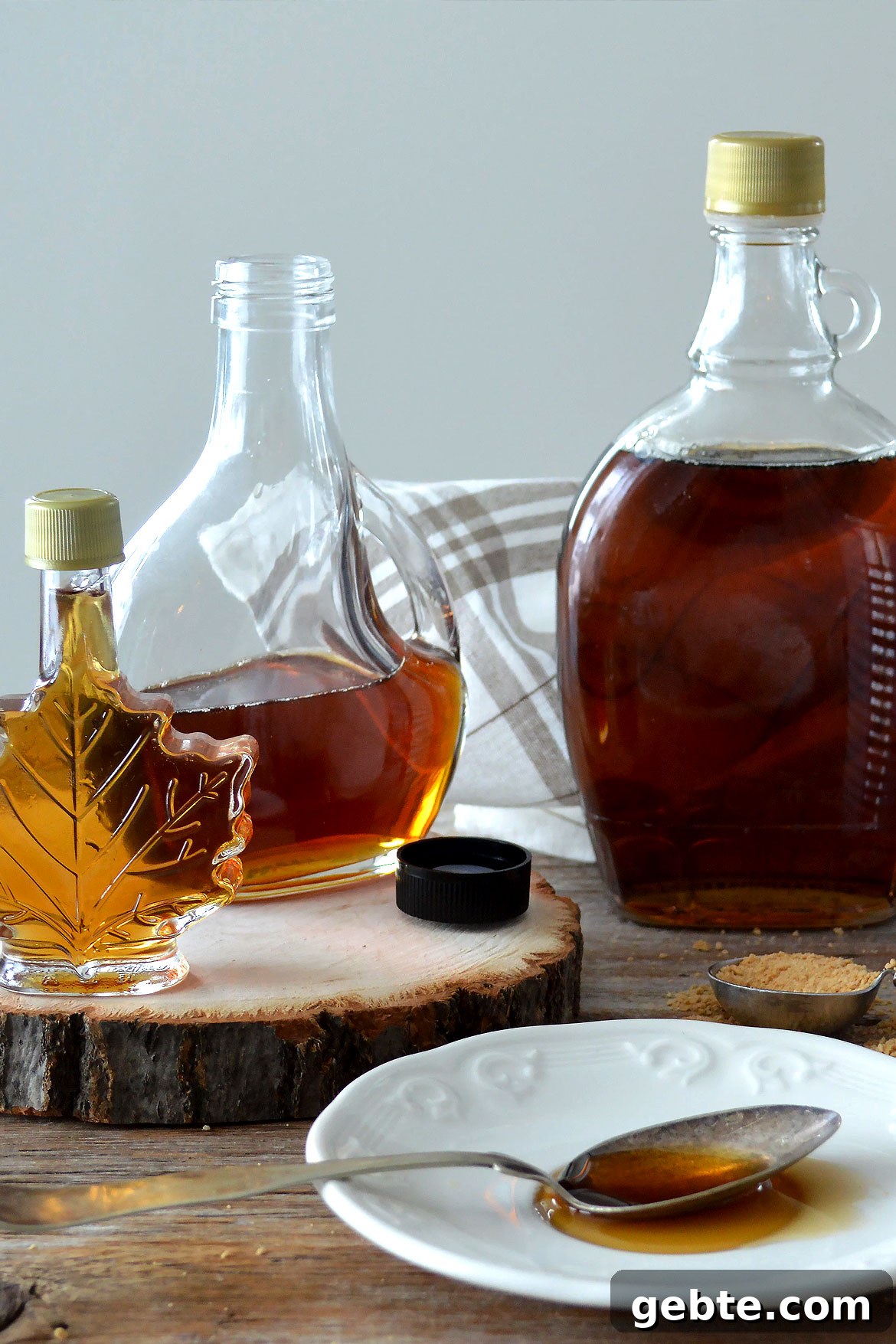
Maple syrup is the concentrated sap of maple trees, boiled down to a sweet, amber syrup. Pure maple syrup is a natural product with a glycemic index in the mid-range (around 54) and contains trace minerals such as manganese and zinc. Because it is an unrefined plant extract, many people consider it a more nutritious alternative to refined sugar, especially when used sparingly to flavor foods and beverages.
Lucuma is a powdered or puréed product derived from a fragrant Peruvian fruit. It is low on the glycemic scale and provides various nutrients, including beta-carotene, iron, zinc, vitamin B3 (niacin), calcium, and small amounts of protein. Preliminary research and traditional use suggest lucuma may support healthy skin and blood-sugar balance and could offer cardiovascular benefits, though more clinical trials are needed to confirm those effects. Lucuma’s mild, maple-like flavor makes it useful in smoothies, desserts, and baking.
Xylitol is a crystalline sugar alcohol most commonly extracted from birch wood or manufactured from plant fibers. It tastes similar to sugar but has a very low glycemic index—around 7—and contains roughly two-thirds the calories of sucrose. Xylitol is often used as a sweetener in sugar-free gums, mints, and oral-care products because it does not promote tooth decay. Note that xylitol can be toxic to dogs, so household use requires caution around pets.
Carob comes from the pods of the carob tree and is available as powder, chips, or syrup. Carob is naturally sweet and contains protein, vitamins from the B complex, and minerals such as calcium and phosphorus. Compared with chocolate and typical cocoa products, carob is lower in fat and often fewer calories, making it a useful alternative for people seeking a chocolate-like flavor without caffeine or the stimulants found in cocoa. It pairs well with baked goods, smoothies, and hot beverages.
When choosing a sweetener, consider flavor, intended culinary use, processing level, caloric and glycemic impact, and any personal health goals or dietary restrictions. Even natural or lower-glycemic options can contribute substantial calories when overused, so moderation is key.
—
Photo source: Nadine Primeau